Top Roofing Company WA

Ice Dam Prevention Starts with a Healthy Roof

Quick answer: Ice dams form when heat escapes through your attic, melts snow on the roof, and refreezes at the colder eaves, trapping water that can seep into your home. Preventing ice dams starts with proper attic insulation, ventilation, and a roof in good repair. Anderson Roofing, a trusted roof repair contractor, helps homeowners stop ice dams before they cause …

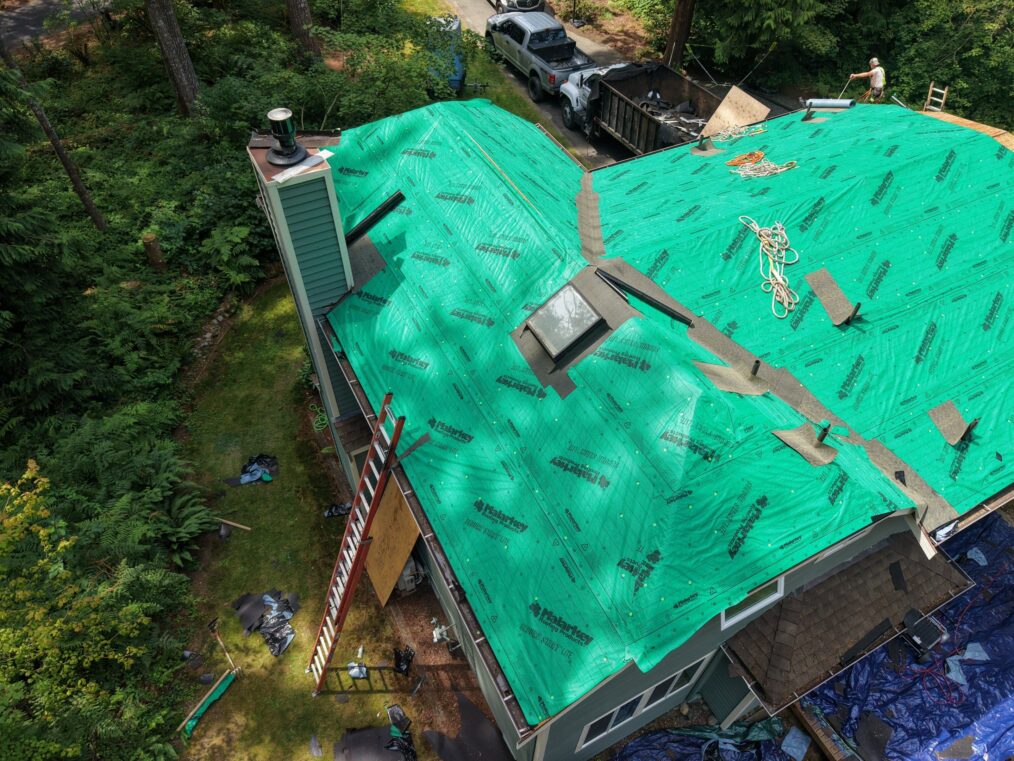
Why Late Fall Can Be a Great Time for Roof Replacement

Quick answer: Late fall offers cooler temperatures, stable weather, and contractor availability that make it an ideal window for roof replacement. Scheduling your project before winter storms arrive helps protect your home from moisture damage and ensures your roofing materials seal properly before freezing temperatures set in. Key Takeaways Late fall’s moderate temperatures and lower humidity create optimal conditions for …

What Granule Loss Really Means for Your Roof

Quick answer: Granule loss happens when the protective mineral coating on asphalt shingles wears away, exposing the asphalt layer underneath to UV rays and moisture. A little granule loss is normal as roofs age, but heavy or uneven shedding often signals storm damage, manufacturing defects, or a roof nearing the end of its lifespan. Scheduling an asphalt roof inspection can …

How Can You Extend the Life of a Torch Down Roofing System?

Quick answer: Regular inspections, prompt repairs, proper drainage, and UV-protective coatings are the most effective ways to extend the life of a torch down roof. With consistent torch down roof maintenance, these systems can last 20 years or longer, even in the variable weather that torch down roofs Issaquah WA homeowners deal with each season. Key Takeaways Torch down roofs …

Chimney Flashing Problems That Cause Hidden Roof Leaks

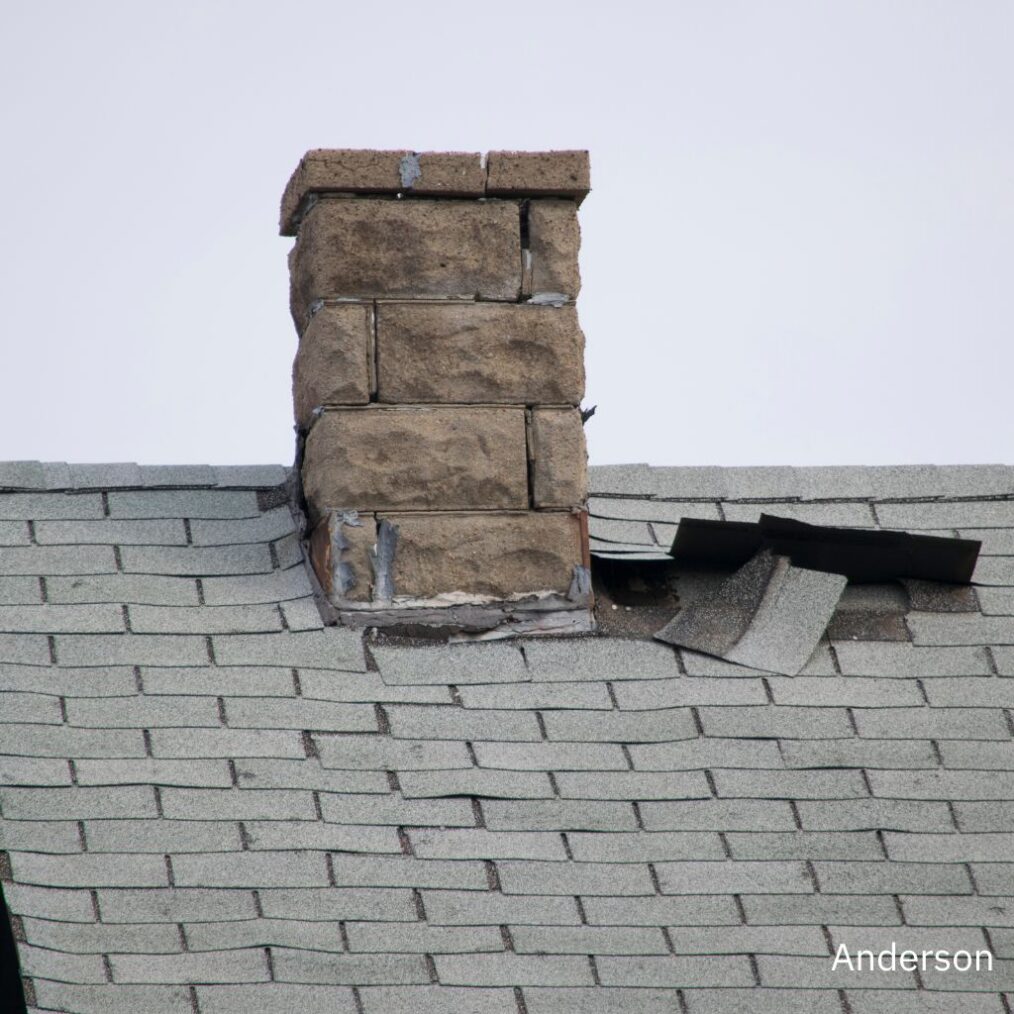
Quick answer: Chimney flashing problems are one of the most common—and least visible—causes of roof leaks. When the metal flashing around a chimney cracks, rusts, or pulls away from the roofline, water seeps into the attic and walls long before stains appear on your ceiling. Catching these issues early with a proper roof flashing repair can save homeowners thousands in …

Common Roof Installation Mistakes Professional Contractors Avoid

Quick answer: The most common roof installation mistakes include improper flashing, poor ventilation, incorrect nail placement, and skipping underlayment. Professional contractors like Anderson Roofing avoid these errors through proper training, quality materials, and strict adherence to manufacturer installation guidelines, ensuring a roof that lasts its full lifespan without premature leaks or damage. Key Takeaways Improper flashing, ventilation, and nailing are …

Why Small Roof Repairs Can Prevent Major Structural Damage

Quick answer: Small roof issues like cracked flashing or a few missing shingles rarely stay small. Left unchecked, they let water seep into your home’s structure, leading to rotted framing, mold growth, and costly repairs. Scheduling roof leak repair at the first sign of trouble is the most effective way to protect your home’s structural integrity and avoid expensive damage …

PVC Roofing vs. TPO: Which Is Better for Your Building?

Quick answer: PVC membrane roofing offers superior chemical resistance and durability, making it ideal for restaurants, manufacturing plants, and buildings exposed to grease, oils, or harsh chemicals. TPO costs less upfront and works well for standard commercial buildings without heavy chemical exposure. For most Pacific Northwest properties, PVC roofs Bellevue WA contractors install tend to last longer in wet, variable …

The Most Overlooked Roof Problems Found During Summer Inspections

Quick answer: Summer inspections often reveal hidden roof problems that homeowners miss, including cracked flashing, damaged shingles, blocked vents, and early signs of water damage. Catching these issues early prevents costly repairs and extends your roof’s lifespan. Summer is the perfect season to give your roof some attention. The weather is dry, the days are long, and any problems that …

How to Know if Your Roof Is Nearing the End of Its Lifespan

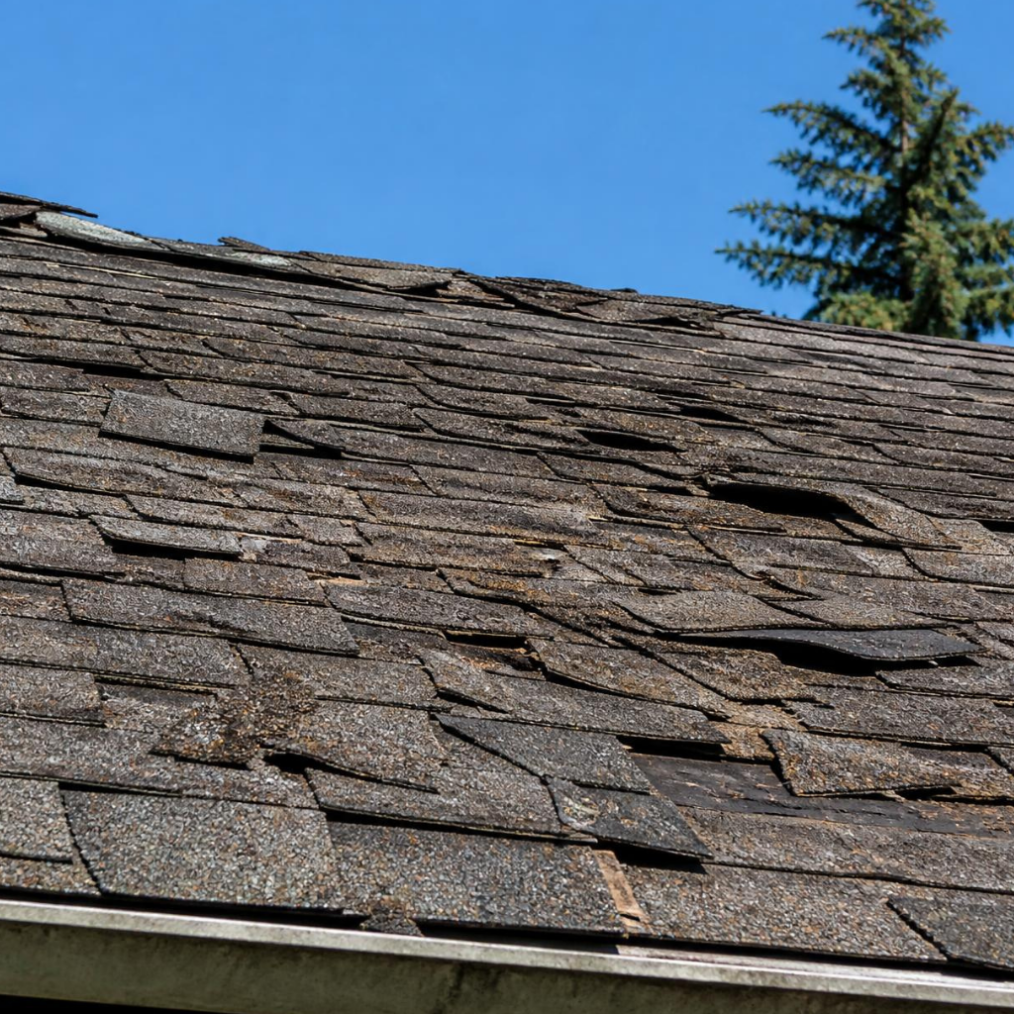
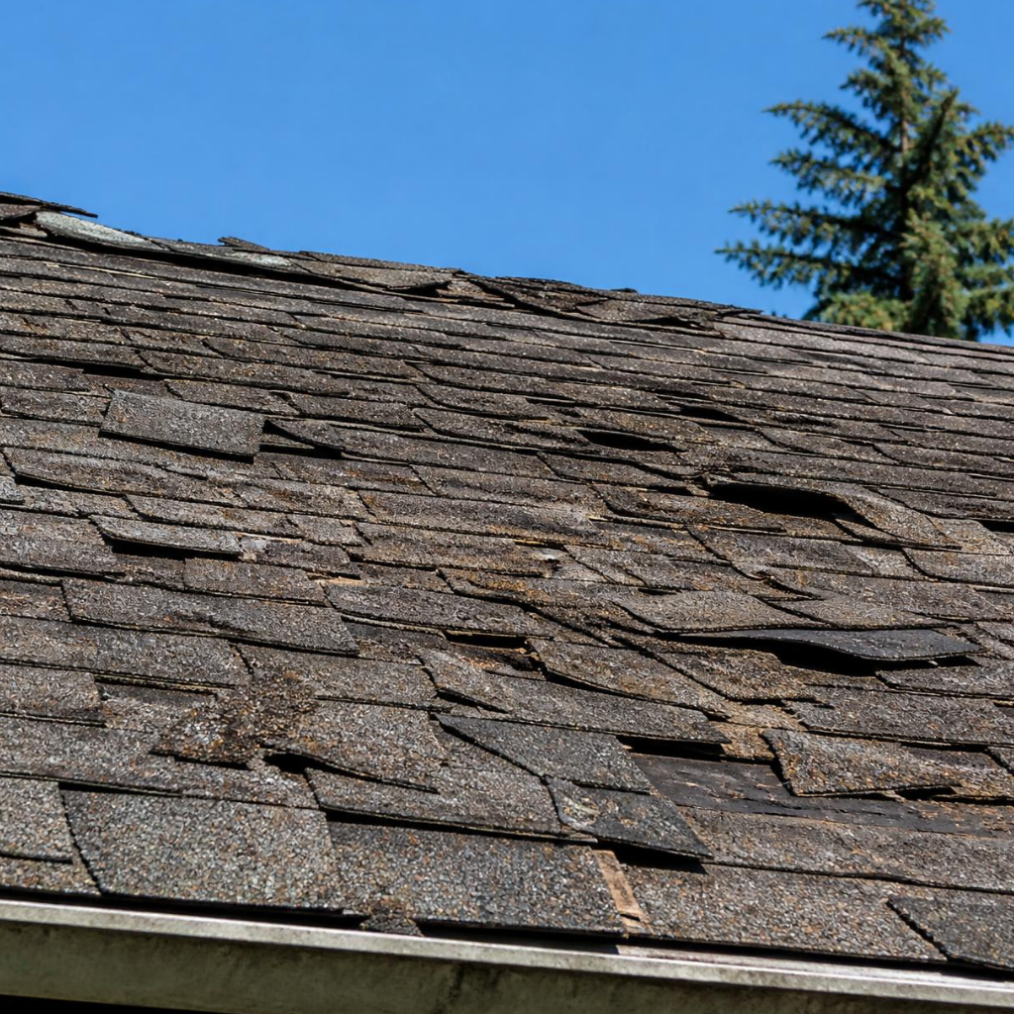
Quick answer: Most roofs last 20–30 years, but age isn’t the only clue. Watch for curling or missing shingles, granules in your gutters, daylight or water stains in the attic, and sagging areas. If you notice several of these signs, it’s likely time to plan a roof replacement before minor issues turn into costly damage. Your roof works hard every …