

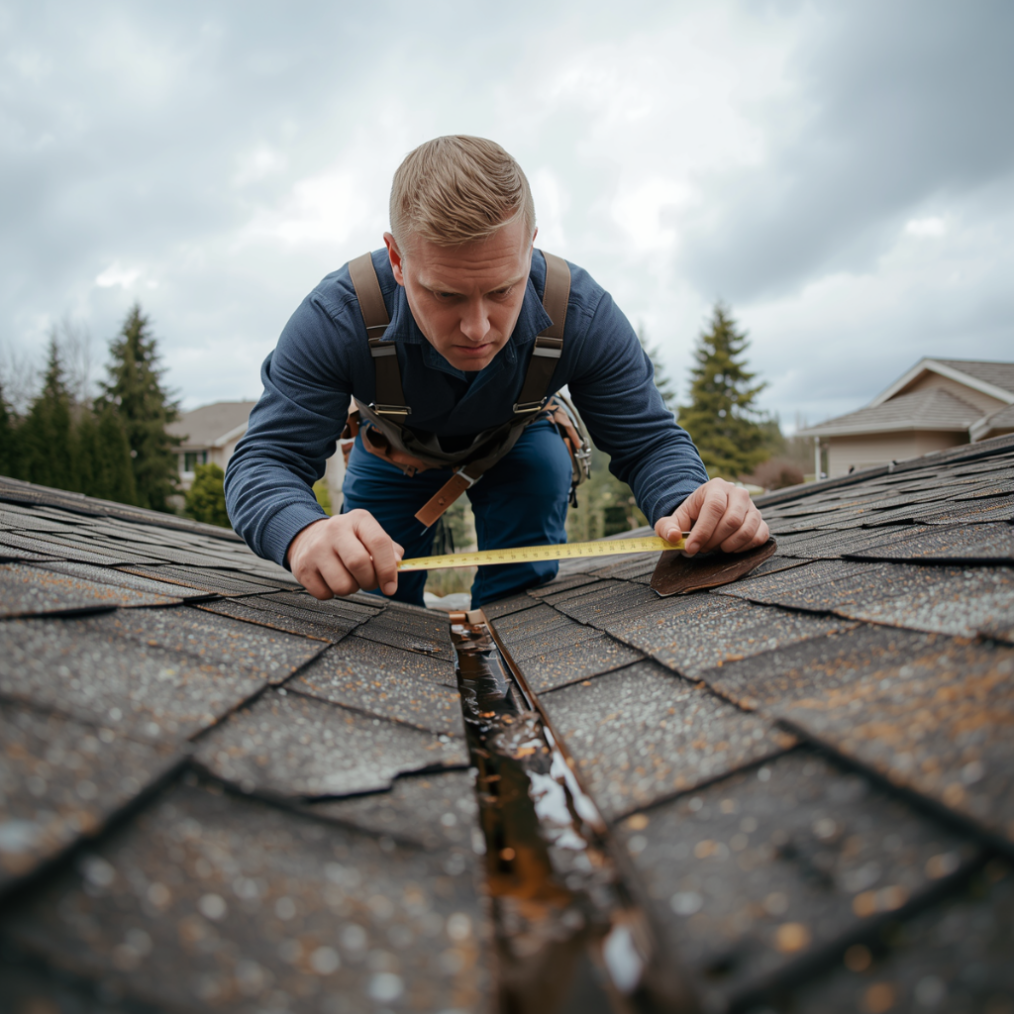
Quick answer: The most common roof installation mistakes include improper flashing, poor ventilation, incorrect nail placement, and skipping underlayment. Professional contractors like Anderson Roofing avoid these errors through proper training, quality materials, and strict adherence to manufacturer installation guidelines, ensuring a roof that lasts its full lifespan without premature leaks or damage.
Key Takeaways
- Improper flashing, ventilation, and nailing are among the most frequent roof installation mistakes that lead to leaks and premature failure.
- Hiring an experienced contractor for residential roof installation significantly reduces the risk of these costly errors.
- Homeowners searching for reliable roof installation Woodinville WA should prioritize contractors with manufacturer certifications and a proven track record.
Your roof is one of the largest investments you’ll make in your home, and how well it’s installed determines whether that investment pays off for decades or turns into a costly headache within a few years. Unfortunately, even minor installation errors can lead to major problems down the road, from water damage to reduced energy efficiency.
At Anderson Roofing, we’ve seen firsthand how avoidable mistakes made during installation can shorten a roof’s lifespan by years. This post breaks down the most common roofing errors, why they happen, and how professional contractors sidestep them to deliver roofs built to last.
Why Does Improper Flashing Cause So Many Roof Leaks?
Flashing is the thin metal material installed around roof penetrations like chimneys, vents, and skylights to direct water away from vulnerable seams. When flashing is installed incorrectly, or skipped altogether, water finds its way underneath roofing materials and into your home’s structure.
This is one of the leading causes of roof leaks, yet it’s also one of the easiest mistakes to prevent. Professional contractors carefully measure and custom-fit flashing to each penetration point, ensuring a watertight seal that holds up through years of rain, wind, and temperature changes.
What Happens When a Roof Doesn’t Have Proper Ventilation?
Many homeowners don’t realize that proper attic ventilation is just as important as the shingles themselves. Without adequate airflow, heat and moisture become trapped in the attic space. Over time, this leads to:
- Premature shingle deterioration from excess heat
- Mold and mildew growth from trapped moisture
- Ice dams forming in colder months
- Higher energy bills due to poor temperature regulation
Contractors who specialize in residential roof installation calculate the correct balance of intake and exhaust vents based on your attic’s square footage and roof design, rather than relying on a one-size-fits-all approach.
Why Does Nail Placement Matter So Much in Roofing?
It might seem like a small detail, but nail placement can make or break a roofing job. Shingles have a designated nailing zone, and placing nails too high, too low, or at the wrong angle weakens their ability to withstand high winds. Under-driven or overdriven nails can also puncture or fail to secure shingles properly.
Manufacturers like GAF and CertainTeed provide specific nailing patterns for their products, and experienced contractors follow these guidelines precisely rather than rushing through installation. This attention to detail is often the difference between a roof that survives a windstorm and one that doesn’t.
Is Skipping Underlayment Really That Big of a Deal?
Underlayment acts as a secondary barrier against water intrusion, sitting between the roof deck and the shingles. Some contractors try to cut costs or save time by skipping this layer or using a lower-quality product than the job requires.
This shortcut leaves your roof vulnerable, especially during heavy storms when wind-driven rain can work its way under shingles. Professional roofing companies always install a synthetic or felt underlayment appropriate for your climate and roof pitch, adding an essential layer of protection that most homeowners never see but definitely benefit from.
How Does Poor Material Storage Affect Roof Installation Quality?
Roofing materials, particularly shingles, need to be stored and handled correctly before installation. Materials left in direct sunlight for too long, stacked incorrectly, or exposed to moisture can become damaged before they’re ever installed.
Contractors who prioritize quality control store materials properly on-site and inspect them before installation begins. This might seem like a minor operational detail, but it directly affects how well your finished roof performs.
Choosing a Contractor for Roof Installation Woodinville WA Homeowners Can Trust
If you’re comparing contractors for roof installation Woodinville WA, look beyond price alone. Ask about manufacturer certifications, request references from recent jobs, and confirm that the contractor carries proper licensing and insurance. A trustworthy contractor will walk you through their installation process and explain how they avoid the mistakes outlined above.
Choose a certified, experienced contractor if long-term durability and warranty protection matter more to you than the lowest upfront bid. Cutting corners on installation almost always costs more in repairs down the road.
Frequently Asked Questions
How long should a professionally installed roof last?
Most asphalt shingle roofs installed correctly last between 20 and 30 years, depending on the material quality and local climate conditions.
What’s the average cost of residential roof installation?
Costs vary widely based on roof size, material choice, and complexity, but most homeowners can expect a range that a local contractor can quote after an on-site inspection.
Can I install a roof myself to save money?
DIY roof installation carries significant risks, including voided manufacturer warranties, safety hazards, and costly mistakes that a professional would avoid. Most manufacturers require certified installation for warranty coverage.
What should I look for when hiring a roofing contractor?
Look for proper licensing, insurance, manufacturer certifications, positive customer reviews, and a clear written estimate before work begins.
Are there alternatives to asphalt shingles for residential roofs?
Yes, homeowners can also choose metal roofing, tile, or synthetic slate, each offering different durability, cost, and aesthetic benefits depending on your priorities.
Protect Your Home with a Properly Installed Roof
A roof is only as good as its installation. Even premium materials will underperform if flashing, ventilation, nailing, or underlayment aren’t handled correctly. Working with an experienced team helps you avoid these common pitfalls and ensures your roof performs as expected for decades.
If you’re planning a roofing project and want it done right the first time, reach out to Anderson Roofing for a consultation. Our team brings the training, certifications, and attention to detail needed to protect your home from the ground up.