

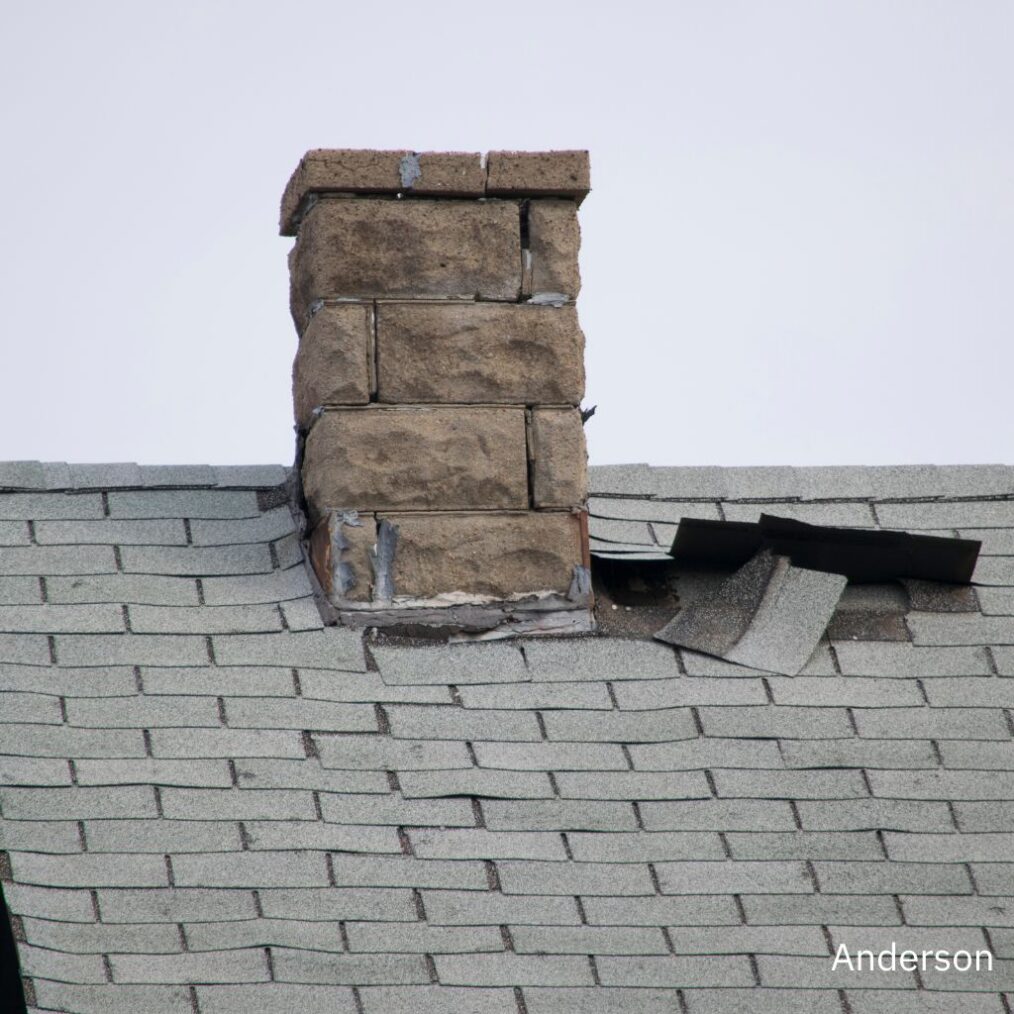
Quick answer: Chimney flashing problems are one of the most common—and least visible—causes of roof leaks. When the metal flashing around a chimney cracks, rusts, or pulls away from the roofline, water seeps into the attic and walls long before stains appear on your ceiling. Catching these issues early with a proper roof flashing repair can save homeowners thousands in hidden water damage.
Key Takeaways
- Chimney flashing failures often go unnoticed for months because water travels along rafters before showing up as a ceiling stain.
- Common culprits include cracked caulking, rusted metal, and flashing that’s pulled away from the chimney due to settling or storm damage.
- Scheduling regular inspections and prompt roof repair Medina WA homeowners trust can prevent small flashing issues from turning into costly structural damage.
Most homeowners don’t think about their chimney flashing until water starts dripping through the ceiling near the fireplace. By then, the damage has usually been building for weeks or even months. Chimney flashing is the thin metal barrier installed where your chimney meets the roof, and it’s designed to keep water out of one of the most vulnerable joints on your entire roofline. When it fails, the consequences aren’t always obvious right away.
At Anderson Roofing, we’ve inspected hundreds of homes across the Pacific Northwest where chimney flashing problems were the root cause of leaks that homeowners initially blamed on their shingles or gutters. Understanding how flashing fails—and why it fails so quietly—can help you catch problems before they become expensive repairs.
What Is Chimney Flashing, and Why Does It Fail?
Chimney flashing consists of two main parts: the step flashing, which is woven between the shingles along the sides of the chimney, and the counter-flashing, which is embedded into the chimney’s mortar joints and overlaps the step flashing. Together, they create a watertight seal where two very different building materials—brick or stone and asphalt shingles—meet.
The problem is that these two materials expand, contract, and settle at different rates. Over time, this constant movement stresses the flashing’s seals and seams. Add in Washington’s wet climate, with its freeze-thaw cycles and near-constant rainfall, and you have a recipe for premature wear.
How Does Age Affect Chimney Flashing?
Most flashing is made from galvanized steel, aluminum, or copper. Galvanized steel typically lasts 20 to 25 years before rust sets in, while copper can last much longer but is more expensive upfront. As flashing ages, the metal can corrode, develop pinhole leaks, or warp. Once the surface integrity is compromised, water finds its way in—even through gaps you can’t see from the ground.
Why Does Caulking and Sealant Fail Around Chimneys?
Many flashing installations rely on roofing cement or caulk to seal the counter-flashing against the chimney masonry. This sealant isn’t meant to last forever. Sun exposure, temperature swings, and moisture cause it to dry out, crack, and shrink within just a few years. Once that seal breaks down, rainwater can run directly behind the flashing and into your attic space.
What Are the Warning Signs of a Chimney Flashing Leak?
Chimney flashing leaks are sneaky because water doesn’t always drip straight down from the point of entry. Instead, it often travels along rafters or sheathing before pooling or dripping somewhere else entirely. This is why so many homeowners are surprised to learn their “ceiling leak” started at the chimney.
Watch for these signs:
- Water stains near the fireplace on ceilings or upper walls, even if they appear a few feet away from the chimney itself.
- Musty odors in the attic, which often indicate trapped moisture from a slow, ongoing leak.
- Visible rust or gaps in the metal flashing when viewed from the roof or with binoculars from the ground.
- Peeling paint or soft drywall around the chimney chase.
- Mold growth in the attic insulation surrounding the chimney.
If you notice any of these signs, it’s worth scheduling an inspection before the next heavy rainfall.
How Do Roofers Fix Chimney Flashing Problems?
The right fix depends on how extensive the damage is. Choose a sealant touch-up if the flashing itself is still structurally sound and the problem is limited to cracked caulk—this is the fastest and most affordable option. Choose a full flashing replacement if the metal shows rust, warping, or separation from the roofline, since resealing alone won’t stop water from finding new paths behind damaged material.
When Is Resealing Enough?
If an inspection reveals the flashing is intact but the sealant has simply dried out or cracked, a professional can remove the old caulk, clean the surface, and apply a fresh, high-quality sealant. This is a quick, cost-effective roof flashing repair that can extend the life of your existing flashing by several years.
When Does Flashing Need to Be Replaced?
If the metal itself is rusted, bent, or separated from the chimney, resealing is only a temporary patch. In these cases, a roofer will remove the damaged flashing entirely and install new step and counter-flashing, re-integrating it with the surrounding shingles to restore a watertight seal. This is a more involved job, but it addresses the root cause rather than masking the symptoms.
How Often Should You Inspect Chimney Flashing in Medina, WA?
Given the Pacific Northwest’s wet, mild winters and frequent rain, we recommend inspecting chimney flashing at least once a year, ideally before the rainy season ramps up in the fall. Homes with older flashing (15+ years) or those that have experienced recent storms should consider more frequent checks. A trained eye can often spot early warning signs—like minor rust spots or slightly lifted flashing—that aren’t visible to an untrained homeowner standing on the ground.
Regular roof repair Medina WA inspections also give you the opportunity to catch other roofing issues, such as damaged shingles or clogged gutters, before they compound into bigger problems.
Protect Your Home Before the Next Storm
Chimney flashing might be a small part of your roof, but its failure can lead to some of the most expensive and frustrating damage a homeowner can face—rotted sheathing, ruined insulation, and even structural issues if left unaddressed long enough. The good news is that most flashing problems are entirely preventable with regular inspections and timely repairs.
If it’s been more than a year since your last roof inspection, or you’ve noticed any warning signs near your chimney, don’t wait for the next storm to find out how bad the damage really is. Anderson Roofing offers thorough chimney flashing inspections and repairs throughout the Medina, WA area, helping homeowners catch small issues before they become costly ones. Reach out to schedule your inspection today.
Frequently Asked Questions
How much does chimney flashing repair cost?
Costs vary depending on whether the job requires simple resealing or a full flashing replacement. Resealing is typically the more affordable option, while full replacement costs more due to materials and labor but addresses the underlying problem rather than a temporary fix.
How long does a chimney flashing repair take?
Most resealing jobs can be completed in a few hours. Full flashing replacement usually takes a full day, depending on the chimney’s size and the roof’s pitch.
Can I repair chimney flashing myself?
While minor caulking touch-ups are sometimes manageable for experienced DIYers, working on a roof carries real safety risks, and improper repairs can trap moisture and worsen leaks. Most homeowners are better served by hiring a licensed roofing professional.
What happens if I ignore a chimney flashing leak?
Ignoring a flashing leak allows water to continue seeping into your attic, where it can rot wood framing, damage insulation, and encourage mold growth. Left unchecked long enough, it can compromise your roof’s structural integrity.
Is chimney flashing covered by homeowners insurance?
Coverage depends on the cause of the damage and your specific policy. Damage from a sudden storm event may be covered, while damage from gradual wear and lack of maintenance typically is not. Check with your insurance provider for details specific to your policy.