

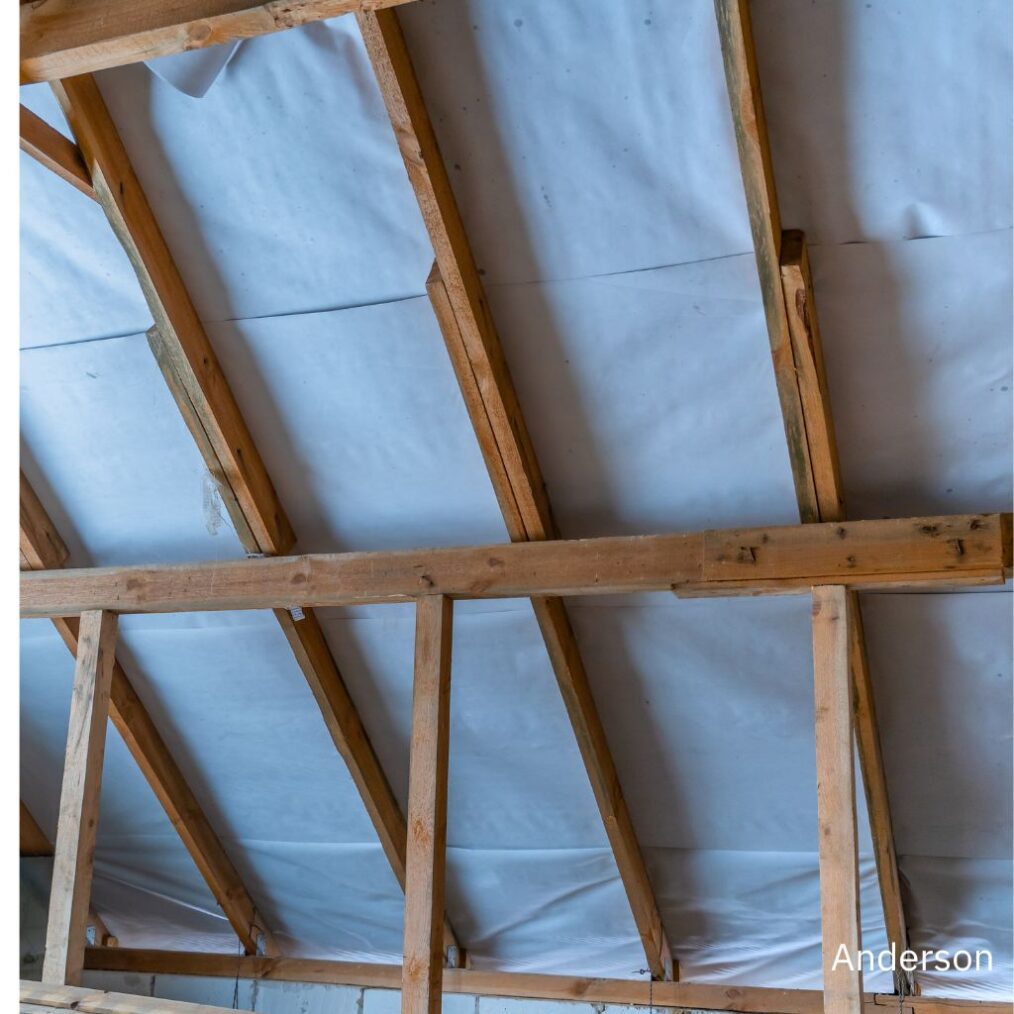
Quick answer: Regular inspections, prompt repairs, proper drainage, and UV-protective coatings are the most effective ways to extend the life of a torch down roof. With consistent torch down roof maintenance, these systems can last 20 years or longer, even in the variable weather that torch down roofs Issaquah WA homeowners deal with each season.
Key Takeaways
- Torch down roofs typically last 15-20 years, but routine maintenance can push that number even higher.
- Seam separation, blistering, and ponding water are the most common issues that shorten a roof’s lifespan if left unaddressed.
- Scheduling professional inspections twice a year helps catch small problems before they turn into costly repairs.
Torch down roofing has earned a reputation as one of the most durable, low-maintenance options for flat and low-slope roofs. Made from modified bitumen and installed using a propane torch to melt the material onto the roof deck, this system creates a seamless, waterproof barrier that stands up well against rain, wind, and foot traffic. For homeowners and business owners in the Pacific Northwest, where rainfall is a near-constant companion, a well-installed torch down roof offers real peace of mind.
But durability doesn’t mean indestructible. Like any roofing material, torch down systems age, and that aging process speeds up without the right care. At Anderson Roofing, we’ve seen firsthand how a few simple maintenance habits can add years to a roof’s functional life, while neglect can cut that lifespan dramatically short. This guide walks through what causes torch down roofs to deteriorate, how to catch problems early, and what torch down roof maintenance practices actually make a measurable difference.
What Causes Torch Down Roofs to Wear Out Faster?
Torch down roofing is built to last, but several factors can accelerate wear over time:
UV exposure. Constant sun exposure breaks down the asphalt compounds in the membrane, leading to brittleness and cracking.
Ponding water. Flat roofs are especially prone to standing water after heavy rain. Left unaddressed, ponding water can seep into seams and weaken the membrane from within.
Seam separation. The seams where sheets of modified bitumen overlap are the most vulnerable part of the system. Poor installation or age-related shrinkage can cause these seams to pull apart.
Debris buildup. Leaves, branches, and dirt trap moisture against the roof surface, creating conditions where mold and rot can take hold.
Foot traffic damage. Roofs that see regular foot traffic, whether from HVAC servicing or general building maintenance, are more prone to punctures and surface abrasions if not properly protected.
Understanding these risk factors is the first step toward building a maintenance routine that addresses them directly.
How Often Should You Inspect a Torch Down Roof?
Anderson Roofing recommends inspecting a torch down roof at least twice a year, ideally in the spring and fall. These seasonal check-ins allow you to catch issues caused by winter storms or summer heat before they escalate.
During an inspection, look for:
- Cracked, blistered, or bubbled sections of the membrane
- Areas where seams appear to be lifting or separating
- Standing water that hasn’t drained within 48 hours of rainfall
- Debris accumulation near drains, scuppers, or roof edges
- Soft spots or discoloration that could indicate moisture intrusion
If any of these signs appear, it’s best to schedule a professional evaluation rather than wait for the next scheduled inspection. Small issues caught early are far less expensive to fix than full membrane replacements.
What Maintenance Tasks Actually Extend a Torch Down Roof’s Lifespan?
Consistent torch down roof maintenance isn’t complicated, but it does require attention to detail. Here are the tasks that make the biggest difference:
Clear Debris Regularly
Keeping the roof surface free of leaves, branches, and dirt prevents moisture from being trapped against the membrane. This is especially important near drains and scuppers, where clogged debris can lead to water backing up and pooling.
Address Ponding Water Promptly
If water regularly collects in the same spot, that’s often a sign of a drainage issue rather than a one-time weather event. Correcting the slope or adding additional drainage points can prevent long-term membrane damage.
Apply a Reflective or UV-Protective Coating
A reflective coating reduces the amount of UV radiation the membrane absorbs, slowing down the breakdown of the asphalt compounds. This simple step can meaningfully extend the life of the roofing system, particularly on roofs with heavy sun exposure.
Repair Seams and Flashing Promptly
Seams and flashing points are where leaks most often begin. Resealing or re-torching a lifted seam as soon as it’s noticed prevents water from working its way underneath the membrane.
Limit Unnecessary Foot Traffic
If the roof requires regular access for HVAC or utility maintenance, installing walk pads can protect the membrane from punctures and abrasion caused by repeated foot traffic.
Why Does Climate Matter for Torch Down Roof Maintenance in Issaquah, WA?
Issaquah’s climate presents a unique set of challenges for flat roofing systems. The region sees substantial rainfall throughout the year, along with seasonal temperature swings that cause roofing materials to expand and contract. For torch down roofs Issaquah WA property owners rely on, this means drainage and seam integrity deserve extra attention.
Moss and algae growth is also a common concern in the Pacific Northwest’s damp conditions. These organisms can trap moisture against the roof surface and, over time, degrade the membrane. Regular cleaning and the application of moss-inhibiting treatments can help keep this issue in check.
Because local weather conditions play such a significant role in roof longevity, working with a roofing contractor familiar with the Issaquah area offers a real advantage. Local roofers understand which maintenance priorities matter most given the climate, and they can tailor an inspection schedule accordingly.
When Should You Call a Professional Instead of DIY Maintenance?
While basic tasks like clearing debris can be handled independently, several situations call for professional expertise:
Choose a professional inspection if you notice seam separation, since improper repairs can void manufacturer warranties and lead to recurring leaks.
Choose a professional inspection if ponding water persists for more than 48 hours, as this often points to a structural drainage issue rather than a surface-level fix.
Choose DIY maintenance if the task is limited to routine debris removal or visual inspections, which don’t require specialized equipment or roofing expertise.
Anderson Roofing offers comprehensive inspection and maintenance services designed specifically for torch down systems, helping property owners avoid costly surprises down the road.
Protect Your Investment With Routine Care
A torch down roof represents a significant investment, and the return on that investment depends largely on how well the system is maintained. Catching small issues early, keeping drainage clear, and scheduling regular professional inspections can add years of reliable performance to your roof.
If it’s been a while since your last roof inspection, now is a good time to schedule one. Anderson Roofing’s team has extensive experience with torch down systems throughout the region and can help you build a maintenance plan suited to your property’s specific needs. Reach out today to schedule an inspection and keep your roof performing at its best for years to come.
Frequently Asked Questions
How long does a torch down roof typically last?
A properly installed and maintained torch down roof typically lasts between 15 and 20 years. With consistent care, including UV-protective coatings and prompt seam repairs, some systems can exceed this range.
How much does torch down roof maintenance cost?
Costs vary depending on the size of the roof and the scope of work needed, but routine inspections and minor repairs are generally far less expensive than a full roof replacement, which makes regular maintenance a cost-effective investment.
What are the signs that a torch down roof needs repair?
Common warning signs include blistering or cracking in the membrane, lifted or separated seams, standing water that doesn’t drain within 48 hours, and visible moisture damage or discoloration on the roof surface.
Are there alternatives to torch down roofing for flat roofs?
Yes, other options include EPDM rubber roofing and TPO membrane systems. Each comes with different cost, durability, and maintenance considerations, so the right choice depends on your building’s specific needs and budget.
Who should maintain a torch down roof?
Routine tasks like debris removal can often be handled by property owners, but seam repairs, coating applications, and drainage corrections are best left to experienced roofing professionals to avoid voiding warranties or causing further damage.