

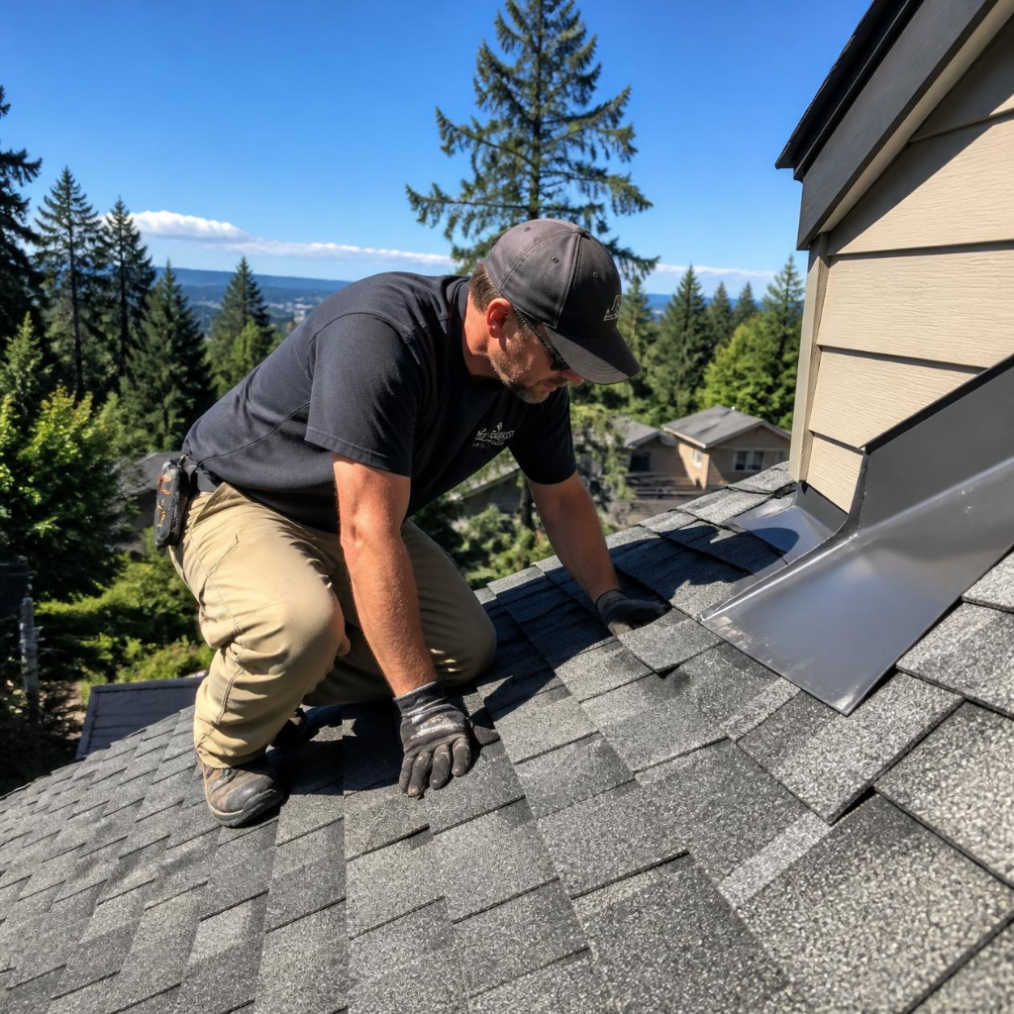
Quick answer: Summer inspections often reveal hidden roof problems that homeowners miss, including cracked flashing, damaged shingles, blocked vents, and early signs of water damage. Catching these issues early prevents costly repairs and extends your roof’s lifespan.
Summer is the perfect season to give your roof some attention. The weather is dry, the days are long, and any problems that developed over winter are easier to spot and fix. Yet many homeowners skip inspections entirely—or focus only on the obvious signs of damage while missing the subtle issues that cause the biggest headaches later.
At Anderson Roofing, we’ve inspected countless roofs across the Pacific Northwest, and we see the same overlooked problems again and again. These small issues rarely announce themselves. Instead, they quietly worsen until a minor fix turns into a major expense.
This guide walks through the most commonly missed roof problems found during summer inspections. Knowing what to look for can help you protect your home, save money, and avoid emergency roof repair down the road.
Key Takeaways
- Summer’s dry weather makes it the ideal time to spot hidden roof problems like cracked flashing, damaged shingles, and blocked ventilation before they escalate.
- The most costly roof issues are usually the least visible—early water damage, worn sealant, and small leaks often go unnoticed until they cause structural harm.
- Scheduling a professional inspection with Anderson Roofing helps homeowners in Redmond, WA catch problems early and avoid expensive emergency repairs.
Why Summer Is the Best Time for a Roof Inspection
Dry, stable weather gives roofers clear access and better visibility. Unlike the wet months, summer allows inspectors to safely examine every part of your roof without slippery surfaces or rushing storms.
Summer also reveals the damage caused by the previous winter. Freezing temperatures, heavy rain, and wind can loosen materials and weaken seals over time. By the time summer arrives, these problems are ready to be found—if you know where to look.
Booking an inspection now means you have plenty of time to complete any needed roof repair in Redmond WA before the next round of harsh weather rolls in.
Cracked or Damaged Flashing
Flashing is the thin metal that seals the joints and edges around chimneys, vents, and skylights. It’s one of the most important parts of your roof—and one of the most overlooked.
Over time, flashing can crack, rust, or pull away from the surface. These small gaps let water sneak beneath your shingles, leading to leaks and rot that spread far beyond the entry point. During summer inspections, damaged flashing is one of the first hidden problems we find.
Curling, Cracked, or Missing Shingles
Shingles take the brunt of the weather all year long. Heat, moisture, and sun exposure gradually break them down, causing them to curl at the edges, crack, or blister.
Homeowners often notice a missing shingle after a storm but overlook the ones that are quietly deteriorating. Even a few compromised shingles can expose the underlayment and allow moisture to seep in. Replacing them early is a simple, affordable form of roof repair—far cheaper than repairing water damage later.
Blocked or Damaged Roof Ventilation
Proper ventilation keeps your attic cool and dry, which protects both your roof and your energy bills. When vents become blocked by debris, nests, or insulation, heat and moisture build up underneath the roof.
This trapped moisture can warp decking, encourage mold growth, and shorten the lifespan of your shingles. Summer inspections are the ideal time to check that vents are clear and functioning properly, since poor ventilation is often invisible from the ground.
Early Signs of Water Damage
Water damage is sneaky. By the time you see a stain on your ceiling, moisture has often been spreading for weeks or months.
During a summer inspection, roofers look for subtle warning signs: discolored decking, soft spots, mold, and worn sealant around penetrations. Catching these early clues prevents structural damage and expensive repairs. This is exactly why routine inspections matter—the most serious problems are usually the ones you can’t see.
Clogged or Sagging Gutters
Your gutters play a bigger role in roof health than most people realize. When they clog with leaves and debris, water backs up and pools along the roof’s edge.
That standing water can rot fascia boards, damage shingles, and eventually work its way into your home. Sagging gutters are another red flag, often signaling that water has already caused damage. Cleaning and securing your gutters is a quick task that protects your entire roofing system.
Worn or Failing Sealant
Sealant protects the vulnerable spots where different roofing materials meet. Over the years, sun exposure and temperature swings cause it to crack, shrink, and lose its grip.
These tiny failures create pathways for water. Because worn sealant is so small and easy to miss, it’s one of the most commonly overlooked problems during a casual roof check. A professional inspection catches these weak points before they turn into leaks.
How to Protect Your Roof This Summer
Preventative care is always cheaper than emergency repair. Here are a few simple steps to keep your roof in top shape:
- Schedule a professional inspection at least once a year, ideally in summer.
- Keep gutters clean and free of debris.
- Trim overhanging branches that can scrape or damage shingles.
- Address small repairs quickly before they grow into major problems.
- Watch for interior warning signs like ceiling stains or a musty attic smell.
Taking these steps helps you avoid surprises and keeps your roof performing for years to come.
Protect Your Home Before the Next Storm
The most damaging roof problems are rarely the obvious ones. Cracked flashing, worn sealant, blocked vents, and early water damage all hide in plain sight—quietly threatening your home until they demand costly repairs.
A summer inspection is the smartest way to catch these issues while they’re still small. If you’re a homeowner in Redmond, WA, the team at Anderson Roofing can help you identify hidden problems and complete any needed roof repair before the weather turns. Schedule your inspection today and give your roof the care it deserves.
Frequently Asked Questions
How often should I have my roof inspected?
Most roofing experts recommend a professional inspection at least once a year. Summer is an ideal time because dry weather makes hidden problems easier to spot and repair before winter arrives.
How much does roof repair cost in Redmond, WA?
The cost of roof repair in Redmond WA depends on the type and extent of the damage. Minor fixes like replacing a few shingles or resealing flashing are relatively affordable, while water damage or structural repairs cost more. A professional inspection gives you an accurate estimate before work begins.
Can I inspect my roof myself?
You can spot obvious issues like missing shingles or clogged gutters from the ground, but many serious problems—cracked flashing, worn sealant, and early water damage—are difficult to identify without training. A professional inspection ensures nothing gets missed.
What are the warning signs I need roof repair?
Common warning signs include ceiling stains, curling or missing shingles, granules in your gutters, a sagging roofline, and higher energy bills. If you notice any of these, schedule an inspection promptly.