

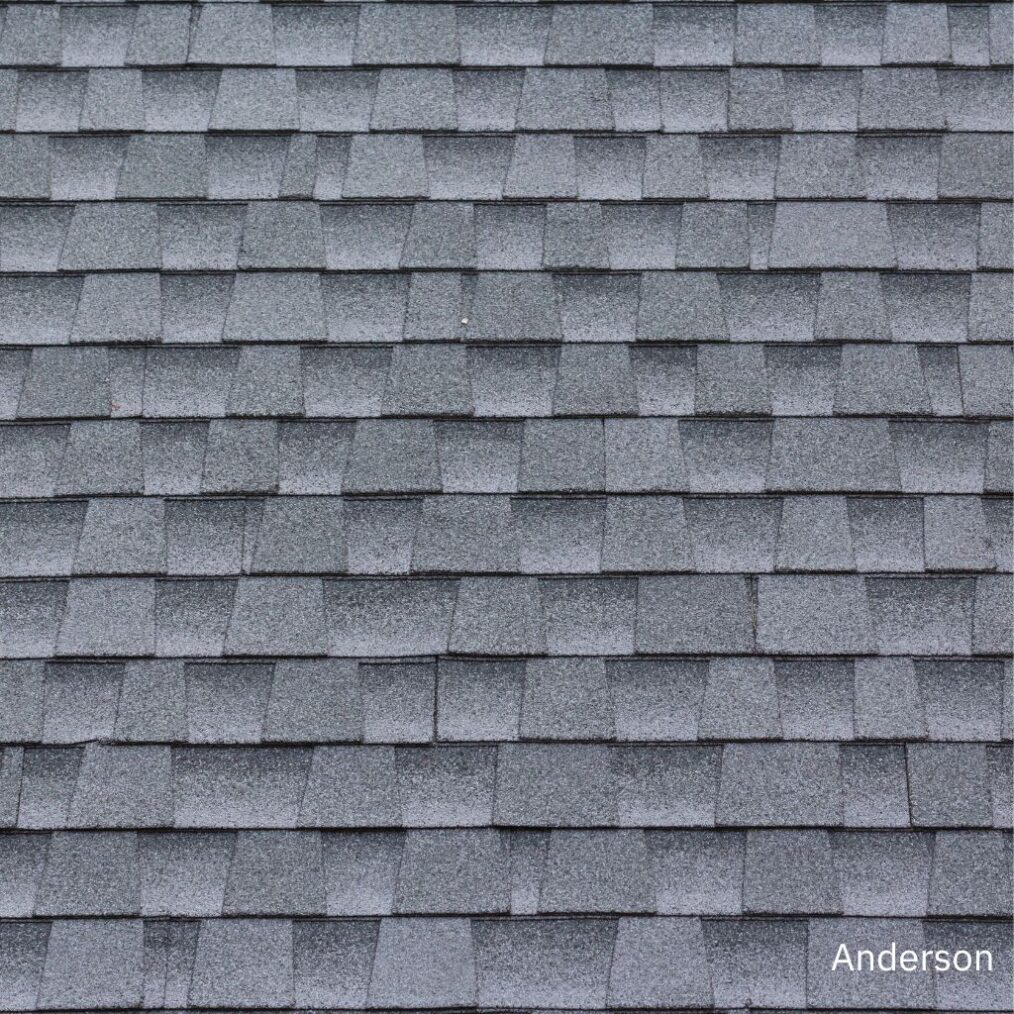
Quick answer: Granule loss happens when the protective mineral coating on asphalt shingles wears away, exposing the asphalt layer underneath to UV rays and moisture. A little granule loss is normal as roofs age, but heavy or uneven shedding often signals storm damage, manufacturing defects, or a roof nearing the end of its lifespan. Scheduling an asphalt roof inspection can help Bellevue homeowners catch the problem early.
Key Takeaways
- Granule loss is a natural part of asphalt shingle aging, but excessive shedding can shorten your roof’s lifespan and signal underlying damage.
- Common causes include hail impact, foot traffic, poor installation, and simple wear over time.
- A professional asphalt roof inspection from Anderson Roofing can determine whether your granule loss is cosmetic or a warning sign that needs immediate attention.
If you’ve ever cleaned out your gutters and found a handful of tiny, sand-like granules, you’ve likely wondered what that means for your roof. Those granules aren’t debris. They’re small pieces of your shingles, and their disappearance can tell you a lot about your roof’s health.
Asphalt shingles are built with a layer of mineral granules embedded in asphalt. These granules do more than give your roof its color. They shield the asphalt underneath from the sun’s UV rays, add fire resistance, and help the shingles shed water effectively. Over time, some granule loss is expected. But when it happens too quickly or unevenly, it’s often a sign that something bigger is going on.
For homeowners with asphalt roofs in Bellevue, WA, understanding granule loss is especially important. The Pacific Northwest’s mix of heavy rain, occasional hail, and seasonal temperature swings can accelerate wear on shingles that aren’t properly maintained or inspected.
Why Do Asphalt Shingles Lose Granules?
Normal Aging and Weathering
Every asphalt roof sheds some granules over its lifetime. As shingles are exposed to sun, rain, and temperature changes year after year, the asphalt binding the granules gradually loosens. This is a slow process, and a well-installed roof should lose granules gradually over 15 to 30 years, depending on the shingle type and local climate.
Manufacturing Defects
Not all granule loss is caused by age or weather. Occasionally, shingles leave the factory with inconsistent granule adhesion. When this happens, homeowners may notice significant shedding within just a few years of installation, far earlier than expected. If your roof is relatively new and already showing bald spots, a manufacturing defect could be the culprit.
Storm and Hail Damage
Hailstorms are one of the most common causes of sudden, severe granule loss. Even small hail can knock granules loose on impact, leaving dark, exposed patches on the shingle surface. Heavy rain and wind can compound this effect by washing loosened granules away during storms.
Foot Traffic and Physical Impact
Walking on a roof, whether for maintenance, holiday lights, or satellite installation, can dislodge granules, especially on older shingles that have already become brittle. Falling branches and debris can have a similar effect.
Poor Installation
Shingles that weren’t installed with the correct nailing pattern or that were laid down in poor weather conditions may not bond properly. This can lead to premature granule loss in isolated areas rather than an even pattern across the roof.
When Should You Be Concerned About Granule Loss?
A small amount of granule buildup in your gutters is nothing to worry about. However, certain signs suggest it’s time to schedule an asphalt roof inspection:
- Bald or shiny patches on shingles where the asphalt layer is visible
- Dark streaks or discoloration across large sections of the roof
- Excessive granules in gutters or at downspouts after normal rainfall, not just after a storm
- Curling or cracking shingles combined with visible granule loss
- Leaks or water stains appearing on interior ceilings or walls
If you notice any of these warning signs, don’t wait for a small problem to become a costly one. Exposed asphalt deteriorates quickly once it’s unprotected from UV rays and moisture, which can lead to leaks, mold growth, and structural damage to the roof deck.
How Granule Loss Affects Your Roof’s Lifespan
Granules act as a sunscreen for your shingles. Without them, UV rays break down the asphalt more rapidly, making shingles brittle and prone to cracking. A roof that should last 25 years might only make it 15 or 18 if granule loss isn’t caught and addressed early.
Choose a professional inspection if you’ve experienced a recent hailstorm, if your roof is approaching the 15-year mark, or if you’re simply unsure how your shingles are holding up. For newer roofs showing early signs of wear, a trained eye can determine whether the issue stems from installation quality or a shingle defect, information that matters if you’re filing a warranty claim.
How Anderson Roofing Can Help
At Anderson Roofing, we’ve inspected countless asphalt roofs in Bellevue, WA, and we know how to distinguish normal wear from a developing problem. Our inspection process includes a close visual assessment of granule coverage, a check for soft spots or sagging in the roof deck, and documentation of any storm damage that might support an insurance claim.
We understand that a roof replacement is a significant investment, which is why we always start with an honest evaluation. If your roof still has useful life left, we’ll tell you. If granule loss has progressed to the point where repairs or replacement make more sense, we’ll walk you through your options without pressure.
Protect Your Roof Before Small Problems Grow
Granule loss might seem like a minor cosmetic issue, but it’s often your roof’s way of telling you it needs attention. Catching it early can mean the difference between a simple repair and a full roof replacement down the road.
If you’ve spotted granules collecting in your gutters or noticed bald patches on your shingles, don’t wait to find out why. Schedule an asphalt roof inspection with Anderson Roofing today, and let our team give you a clear, honest picture of your roof’s condition.
Frequently Asked Questions
Is some granule loss on my roof normal?
Yes. All asphalt shingles shed a small number of granules over their lifespan as part of normal weathering. This process should be gradual and spread evenly across the roof, not concentrated in specific areas.
How much does an asphalt roof inspection cost in Bellevue, WA?
Inspection costs vary depending on roof size, pitch, and accessibility. Many roofing companies, including Anderson Roofing, offer free or low-cost inspections, particularly after a storm event.
Can granule loss void my shingle warranty?
It depends on the cause. If granule loss results from a manufacturing defect, your warranty may cover a repair or replacement. However, damage caused by foot traffic, improper installation, or lack of maintenance is typically not covered.
What happens if I ignore granule loss?
Ignoring significant granule loss allows UV rays and moisture to reach the asphalt layer directly, speeding up shingle deterioration. Left unaddressed, this can lead to leaks, deck damage, and a shorter overall roof lifespan.
How often should I have my roof inspected?
Most roofing professionals recommend an inspection at least once a year, plus an additional check after any major storm, hailstorm, or high-wind event.