

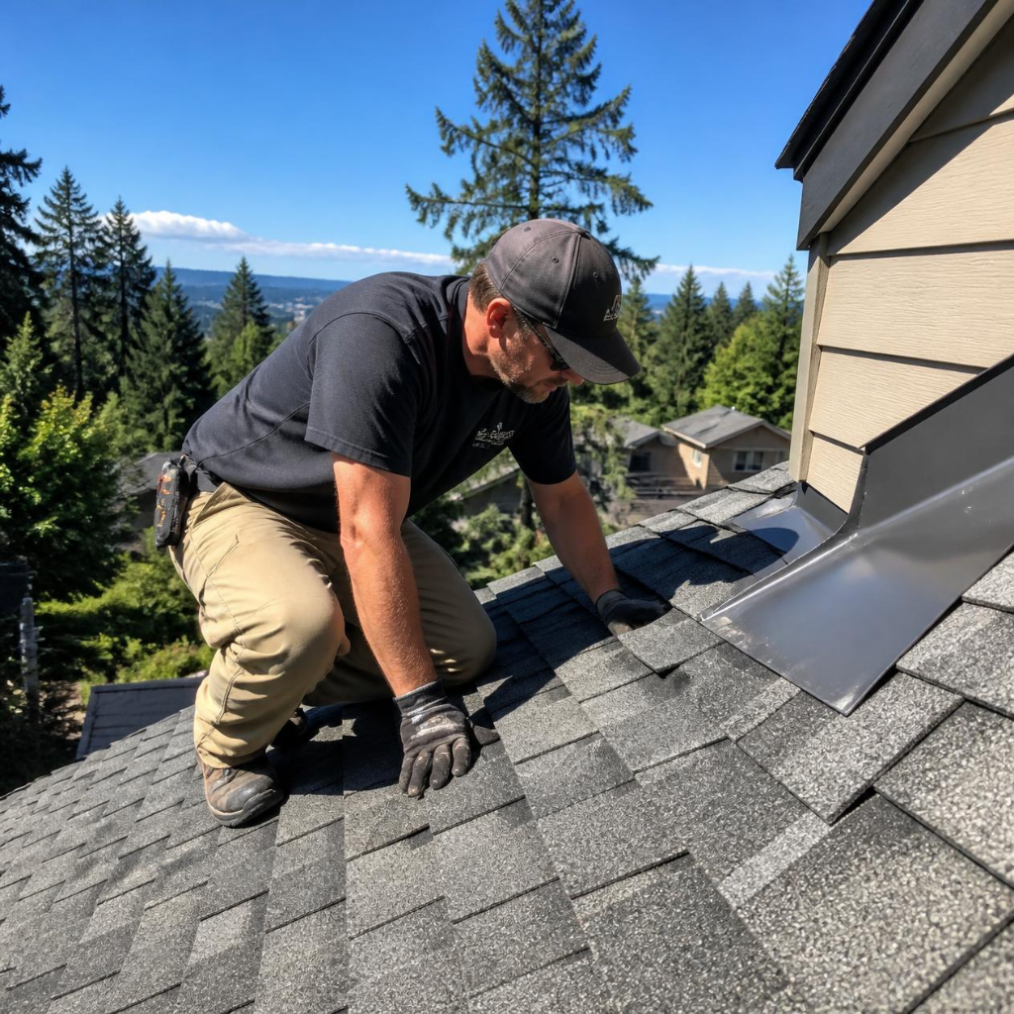
Quick answer: PVC membrane roofing offers superior chemical resistance and durability, making it ideal for restaurants, manufacturing plants, and buildings exposed to grease, oils, or harsh chemicals. TPO costs less upfront and works well for standard commercial buildings without heavy chemical exposure. For most Pacific Northwest properties, PVC roofs Bellevue WA contractors install tend to last longer in wet, variable climates.
Key Takeaways
- PVC membrane roofing outperforms TPO in chemical resistance, seam strength, and long-term durability, though it costs more upfront.
- TPO is a budget-friendly option suited to standard commercial buildings without significant grease, oil, or chemical exposure.
- Building type, budget, and local climate should all factor into your decision — Anderson Roofing can help you weigh these variables for your specific property.
Choosing a commercial roofing membrane isn’t a decision to rush. The material you select will affect your building’s energy efficiency, maintenance costs, and lifespan for the next 20 to 30 years. Two of the most popular single-ply membrane options on the market today are PVC and TPO, and while they look similar at first glance, they perform very differently once installed.
If you’re weighing these two materials for an upcoming reroof or new build, understanding their differences will help you make a decision that protects your investment for decades to come.
What Is PVC Membrane Roofing?
PVC (polyvinyl chloride) roofing has been used in commercial construction since the 1960s, making it one of the most established single-ply membrane options available. It’s manufactured with reinforced scrim and finished with a durable top layer that resists punctures, chemicals, and UV degradation.
PVC membrane roofing is especially popular in facilities where chemical exposure is a daily concern. Restaurants dealing with grease vents, manufacturing plants handling oils, and buildings near industrial exhaust all benefit from PVC’s resistance to these substances. The material’s heat-welded seams also create an exceptionally strong, watertight bond that holds up under years of thermal expansion and contraction.
What Is TPO Roofing?
TPO (thermoplastic polyolefin) is a newer single-ply membrane that entered the market in the 1990s as a lower-cost alternative to PVC. It shares some qualities with its predecessor, including reflective properties that help reduce cooling costs, but its chemical composition differs significantly.
TPO membranes are generally more affordable to purchase and install, which has made them a popular choice for retail buildings, warehouses, and office parks. However, TPO’s performance can vary more between manufacturers, since the material hasn’t been standardized to the same degree as PVC.
How Do PVC and TPO Compare on Durability?
Durability is where these two materials diverge the most. PVC membranes typically last 20 to 30 years when properly installed and maintained, thanks to their strong seam strength and resistance to punctures and chemical breakdown. TPO membranes, by comparison, often last 15 to 20 years, with performance depending heavily on membrane thickness and installation quality.
Choose PVC if your building faces heavy foot traffic, rooftop equipment, or exposure to oils and chemicals. Choose TPO if your building has a simpler roof profile with minimal exposure to these stressors and you want to minimize upfront costs.
Which Option Costs Less Upfront?
TPO generally costs less per square foot than PVC, which is one of the main reasons it has gained popularity among budget-conscious building owners. The exact price difference depends on membrane thickness, roof size, and installation complexity, but TPO can offer meaningful savings on the initial project cost.
That said, upfront savings don’t always translate to lower costs over the life of the roof. PVC’s longer lifespan and lower likelihood of needing chemical-related repairs can offset the higher initial investment, particularly for buildings with demanding operational conditions.
Does Climate Affect the PVC vs. TPO Decision?
Climate plays a bigger role in this decision than many building owners realize. In the Pacific Northwest, where buildings face near-constant moisture, seasonal temperature swings, and prolonged UV exposure during summer months, membrane seam strength and water resistance are critical.
PVC’s heat-welded seams are widely regarded as more reliable in wet climates because they create a continuous, monolithic barrier that resists water infiltration even as the building settles or shifts over time. This is a major reason PVC roofs Bellevue WA businesses choose tend to hold up well through the region’s wet winters and increasingly warm summers.
Which Roofing Material Is Better for Your Building?
There’s no universal answer here. The right choice depends on your building’s use, budget, and exposure to environmental stressors. Here’s a simple way to think about it:
- Choose PVC if: Your building deals with grease, oils, or chemicals; you want maximum seam strength; or you’re planning to hold the property long-term and want to minimize lifecycle costs.
- Choose TPO if: Your building has standard commercial use with minimal chemical exposure, and upfront budget is your primary concern.
Get Expert Guidance From Anderson Roofing
Deciding between PVC and TPO membrane roofing isn’t a decision you have to make alone. Anderson Roofing has helped countless commercial property owners across the region evaluate their roofing options based on building type, budget, and long-term goals. Whether you’re leaning toward the durability of PVC membrane roofing or considering TPO for its upfront affordability, our team can walk you through the tradeoffs specific to your property.
Contact Anderson Roofing today to schedule a roof assessment and get a personalized recommendation for your building.
Frequently Asked Questions
How long does PVC roofing last compared to TPO?
PVC roofing typically lasts 20 to 30 years, while TPO roofing usually lasts 15 to 20 years, depending on membrane thickness and installation quality.
Is PVC roofing more expensive than TPO?
Yes, PVC generally costs more upfront than TPO. However, its longer lifespan and lower need for chemical-related repairs can make it more cost-effective over time.
Which roofing material is better for restaurants or industrial buildings?
PVC membrane roofing is typically the better choice for restaurants and industrial buildings due to its strong resistance to grease, oils, and chemical exposure.
Does TPO work well in wet climates like the Pacific Northwest?
TPO can perform adequately in wet climates, but PVC’s heat-welded seams generally offer stronger, more reliable water resistance over the long term.
Can Anderson Roofing help me decide between PVC and TPO?
Yes. Anderson Roofing offers personalized roof assessments to help building owners choose the membrane material best suited to their property, budget, and climate conditions.