

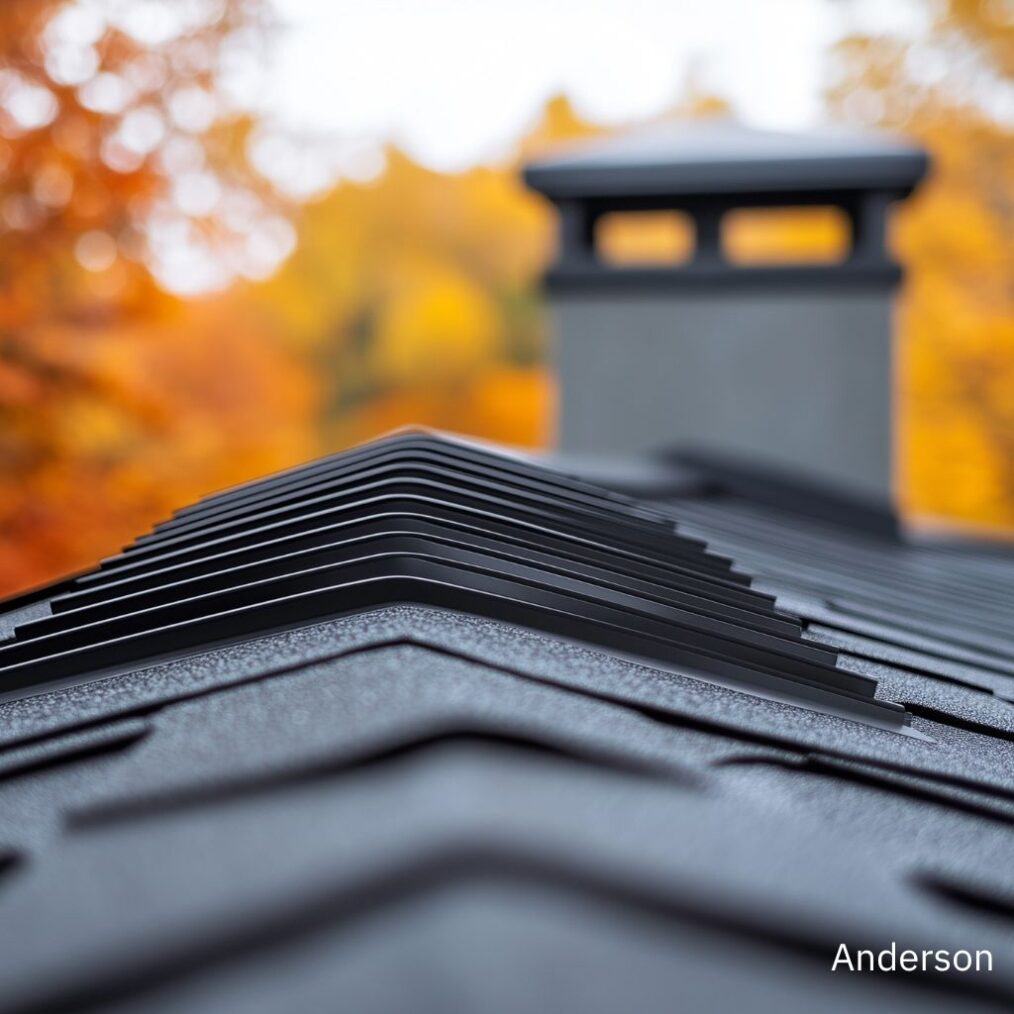
Quick answer: Proper roof ventilation pulls warm, humid air out of your attic before it condenses into moisture that rots wood, feeds mold, and shortens your roof’s lifespan. For homeowners seeking a trusted roof ventilation Mercer Island WA provider, Anderson Roofing installs balanced intake and exhaust systems that keep attics dry, energy bills lower, and roofs protected through the wettest months.
Key Takeaways
- Poor attic ventilation traps warm, moist air that condenses on cold surfaces, leading to mold, rot, and insulation damage during winter.
- Balanced ventilation systems — combining intake vents at the eaves with exhaust vents at the ridge — keep air moving and moisture levels in check.
- Working with an experienced attic ventilation contractor like Anderson Roofing ensures your system is sized and installed correctly for Mercer Island’s climate.
Winter brings more than cold temperatures to Pacific Northwest homes. It brings moisture — the kind that seeps into attics, settles into insulation, and quietly damages roofs from the inside out. Many homeowners assume a roof leak is to blame when they spot water stains or musty smells, but the real culprit is often trapped humidity with nowhere to escape.
Attics naturally accumulate warm, moist air from household activities like cooking, showering, and even breathing. When that air rises and meets a cold roof deck in winter, it condenses into water droplets. Over time, this condensation saturates wood framing, degrades insulation, and creates the perfect environment for mold growth. The fix isn’t more insulation or a thicker roof. It’s airflow.
This is where ventilation becomes essential. A properly ventilated attic allows warm, humid air to exit before it has a chance to condense, while fresh, drier air enters to replace it. Understanding how this system works — and why it matters so much during Mercer Island’s wet winters — can save homeowners thousands in avoidable repairs.
Why Does Attic Moisture Get Worse in Winter?
Winter conditions create the ideal setup for condensation problems. Outdoor temperatures drop, but indoor heating keeps warm, moisture-laden air rising into the attic space. When that warm air contacts the cold underside of the roof deck, it condenses almost instantly, similar to how a cold glass of water sweats on a humid day.
Without adequate airflow, this moisture has nowhere to go. It settles into the wood sheathing, rafters, and insulation, where it lingers for weeks or months. Mercer Island’s marine climate, with its frequent rain and high humidity, only intensifies this cycle. Homes here face a longer moisture season than those in drier regions, making ventilation a year-round concern rather than a seasonal afterthought.
What Problems Does Poor Roof Ventilation Cause?
Inadequate ventilation does more than create a damp smell in the attic. Left unaddressed, it can lead to a chain of costly issues:
Wood Rot and Structural Damage
Persistent moisture softens and weakens roof decking, rafters, and trusses. Over several winters, this can compromise the structural integrity of the roof, leading to sagging or costly replacement work.
Mold and Mildew Growth
Damp, poorly ventilated attics are breeding grounds for mold. Beyond the unpleasant odor, mold spores can spread into living spaces through HVAC systems, posing health risks for household members with allergies or respiratory sensitivities.
Reduced Insulation Performance
Wet insulation loses much of its insulating value. Fiberglass batts, in particular, compress and clump when exposed to moisture, creating gaps that let heat escape. This forces heating systems to work harder, driving up energy bills throughout winter.
Ice Dams
Warm attic air escaping through an unventilated or poorly insulated roof can melt snow unevenly on the roof’s surface. That meltwater refreezes at the colder eaves, forming ice dams that force water backward under shingles and into the home.
How Does Proper Ventilation Prevent These Issues?
The solution lies in creating a continuous airflow path through the attic. This is achieved through a balanced system of intake and exhaust vents working together.
Intake Vents
Positioned along the eaves or soffits, intake vents draw cooler, drier outdoor air into the attic. This fresh air helps dilute and push out the warm, moist air that naturally rises from the living space below.
Exhaust Vents
Installed at or near the roof’s ridge, exhaust vents allow the warm, humid air to escape once it has risen to the top of the attic. Common types include ridge vents, which run along the peak of the roof, and static or powered attic vents.
When intake and exhaust vents are properly balanced — meaning there’s roughly equal airflow in and out — the attic maintains a consistent temperature closer to the outdoor air. This significantly reduces the temperature differential that causes condensation in the first place.
What Makes a Ventilation System “Balanced”?
A balanced system isn’t just about having vents installed. It’s about having the right ratio and placement for your specific roof and attic size. Too much exhaust without enough intake can actually pull conditioned air from living spaces into the attic, wasting energy. Too little exhaust, on the other hand, traps moisture despite adequate intake.
Choose a ridge-and-soffit vent combination if your home has a straightforward gable roof, since this setup typically provides the most even airflow with minimal maintenance. Choose supplemental powered or solar attic fans if your attic has limited natural airflow due to roof design or obstructions, as these can actively move air even on calm days. An experienced roofing professional can calculate the specific ventilation needs based on square footage, roof pitch, and local climate conditions.
Why Hire a Professional Attic Ventilation Contractor?
Ventilation might sound simple, but getting it wrong is common — and costly. Many homes have mismatched vent types, blocked soffits, or insufficient exhaust capacity that homeowners never notice until moisture damage appears.
Working with a qualified attic ventilation contractor ensures the system is designed specifically for your home’s layout and local weather patterns. Anderson Roofing has spent years helping Mercer Island homeowners diagnose ventilation problems and install systems built to handle the region’s persistent winter moisture. From inspecting existing vents to recommending the right combination of intake and exhaust solutions, a professional assessment catches issues before they become expensive repairs.
Protect Your Roof This Winter
Moisture damage from poor attic ventilation rarely announces itself right away. It builds slowly, hidden above the ceiling, until insulation is ruined, wood is rotting, or mold has taken hold. The good news is that this damage is almost entirely preventable with a properly designed ventilation system.
If it’s been a few years since your attic was inspected, or if you’ve noticed musty odors, frost on nails, or ice dams forming along your eaves, now is the time to act. Anderson Roofing offers thorough attic inspections and roof ventilation Mercer Island WA solutions tailored to your home’s needs. Reach out today to schedule an assessment before winter moisture takes its toll.
Frequently Asked Questions
How do I know if my attic has a ventilation problem?
Common warning signs include a musty smell in the attic, visible frost or condensation on the underside of the roof deck, mold spots on insulation or wood, and ice dams forming along the roof edges in winter.
How much does it cost to improve roof ventilation?
Costs vary depending on the size of the attic, the type of vents needed, and whether existing vents require replacement or repair. A professional assessment from Anderson Roofing can provide an accurate estimate based on your home’s specific layout.
Can I add ventilation without replacing my whole roof?
Yes. In most cases, additional soffit or ridge vents can be installed without a full roof replacement, making it a cost-effective way to address moisture issues on an existing roof.
Is more ventilation always better?
No. Ventilation needs to be balanced between intake and exhaust. Too much exhaust without adequate intake can pull conditioned air from your home, increasing energy costs rather than solving moisture problems.
Who should I call for attic ventilation issues?
A licensed, local roofing contractor with experience in attic ventilation systems, like Anderson Roofing, can properly diagnose the issue and recommend a solution suited to Mercer Island’s climate.