

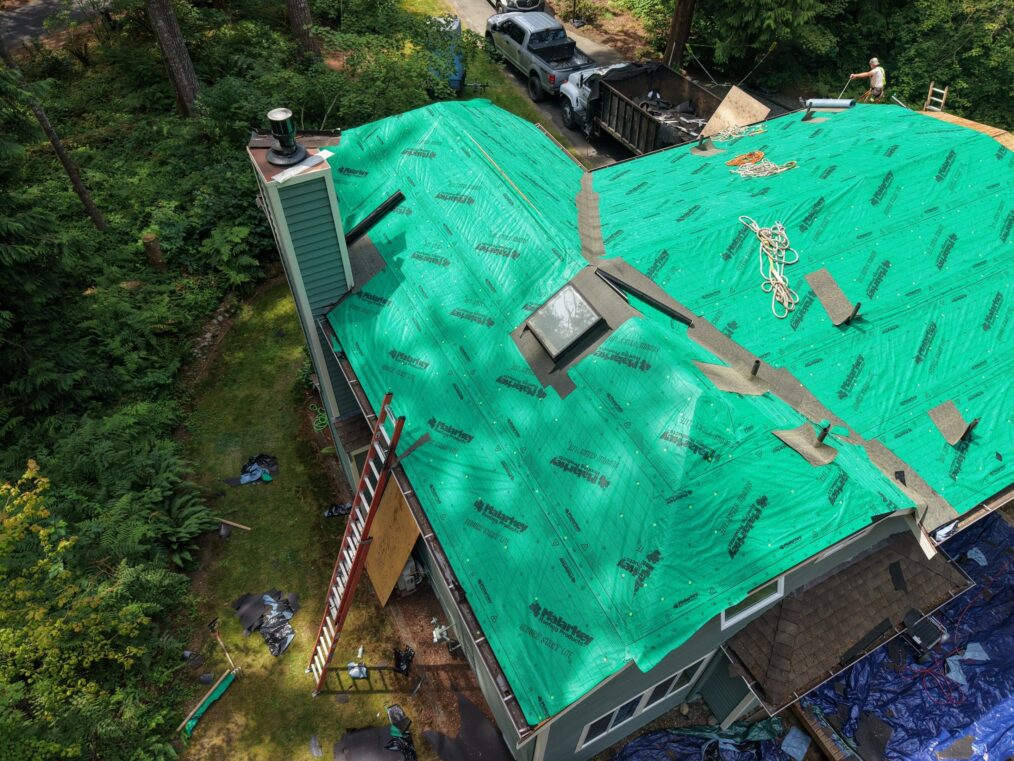
Quick Answer: Delaying a roof replacement until fall puts your home at risk of water damage, structural issues, and emergency repair costs. Newcastle, WA homeowners who wait too long often face contractor backlogs, wetter installation conditions, and more expensive fixes. Acting before the fall rush protects your home and your budget.
Key Takeaways
- Postponing a roof replacement until fall can leave your home exposed to Pacific Northwest rain before work is even scheduled.
- Fall is peak season for roofers in Newcastle, WA, meaning longer wait times and tighter contractor availability.
- Early action protects your home’s structure, prevents interior water damage, and often costs less than emergency repairs.
If your roof has been showing signs of wear—curling shingles, granules in the gutters, or water stains on the ceiling—it’s tempting to put the project off until the weather cools down. Fall feels like a natural deadline. The kids are back in school, summer trips are done, and home projects are back on the radar.
The problem? So is every other homeowner in Newcastle, WA thinking the same thing.
Waiting until fall to replace your roof is one of the most common—and costly—mistakes Pacific Northwest homeowners make. Here’s exactly what happens when you delay, and why getting ahead of the fall rush makes a real difference.
Why Do So Many Homeowners Wait Until Fall?
It’s a reasonable instinct. Summer is busy, fall feels calmer, and cooler temperatures seem like ideal working conditions. Many homeowners also assume that roof damage isn’t urgent unless there’s an active leak.
But roofing issues rarely stay static. A cracked shingle or weakened flashing that looks minor in July can become a serious structural problem by October—especially once Newcastle’s wet season kicks in. The roof doesn’t take a summer vacation just because you do.
What Actually Happens When You Wait Until Fall
Your Roof Damage Gets Worse Over Time
Summer in the Pacific Northwest brings UV exposure, heat fluctuations, and occasional wind events. All of these accelerate the breakdown of aging roofing materials. Shingles that were “borderline” in spring become genuinely compromised by fall.
Water infiltration—even minor seepage—can lead to rot in the roof deck, mold growth in the attic, and damage to insulation. What might have been a straightforward roof replacement in July can turn into a more complex and expensive project by November, once the underlying structure has had months to absorb moisture.
You’ll Be Competing With Everyone Else for a Contractor
Fall is one of the busiest seasons for any roofer in Newcastle, WA. Homeowners who delayed through summer, combined with those who experienced storm damage, create a surge in demand that stretches contractor schedules thin.
The result? Longer wait times. A reputable roofing company that could schedule your job within a week or two in July may be booked four to six weeks out by September. If your roof is already compromised, waiting another month while rain arrives isn’t just inconvenient—it’s risky.
Installation Conditions Become Less Predictable
Quality roof replacement work is best done in dry, moderate conditions. Roofing materials like asphalt shingles require proper temperatures to seal correctly. While experienced crews can work in cool weather, the unpredictability of fall rain in the greater Seattle area adds complexity to scheduling, staging, and installation.
Wet conditions can delay project timelines, affect material performance, and create safety concerns on the job site. The earlier you schedule, the more flexibility exists to work around weather without putting your home at risk.
Emergency Repairs Cost More Than Planned Replacements
Here’s the scenario no homeowner wants: the first heavy rainstorm of October arrives, and so does a leak—right through the ceiling. Now you’re not scheduling a planned roof replacement. You’re calling for emergency service, possibly dealing with interior water damage, and paying premium rates for urgent work.
Emergency roofing repairs, by their nature, cost more than projects planned in advance. Add in the potential cost of damaged drywall, insulation, or flooring, and the financial case for acting early becomes hard to ignore.
What Should Newcastle, WA Homeowners Do Instead?
Schedule a Roof Inspection Before Fall Rush Begins
The best move is to have your roof professionally inspected in late spring or summer. A qualified roofer in Newcastle, WA can assess the actual condition of your roof and give you an honest picture of whether replacement is needed now, in the next season, or can be deferred safely.
Anderson Roofing offers roof inspections that evaluate shingle condition, flashing integrity, gutters, and underlayment—so you know exactly what you’re working with before you commit to anything.
Act Early to Lock in Your Schedule
Once you’ve confirmed that roof replacement is necessary, booking early gives you priority scheduling, better material availability, and more flexibility on project timing. Summer slots at Anderson Roofing fill up faster each year as Newcastle continues to grow. Homeowners who reach out in June or July consistently get better scheduling options than those who call in September.
Don’t Wait for a Leak to Make the Decision
Visible interior leaks are a late-stage symptom of roof failure, not an early warning sign. Granule loss, shingle curling, sagging sections, or flashing gaps are all earlier indicators that a roof replacement is approaching. Responding to those signs—rather than waiting for water to appear on your ceiling—is the difference between a planned project and an emergency.
How Anderson Roofing Helps Newcastle Homeowners Stay Ahead
Anderson Roofing has served the Newcastle, WA area for years, helping homeowners protect their homes with quality roof replacement and repair services. The team understands the specific challenges of the Pacific Northwest climate—heavy seasonal rainfall, wind exposure, and the moss growth that shortens roof lifespans in this region.
Working with a local roofer in Newcastle, WA means faster response times, familiarity with local building codes, and a team that understands what materials and installation methods hold up best in this environment.
Don’t Let Delay Cost You More Than It Should
A deteriorating roof doesn’t get better with time. Every week of delay during summer is a week of continued wear, a narrower contractor availability window, and a higher chance that fall rains arrive before the work is done.
The smart move is to schedule your inspection now, get a clear assessment, and book your roof replacement while scheduling is still flexible. Anderson Roofing is ready to help you get ahead of the fall rush—before it becomes a fall crisis.
Contact Anderson Roofing today to schedule your free roof inspection and protect your home before the rainy season arrives.
Frequently Asked Questions
Can a roof be replaced in the fall or winter in Newcastle, WA?
Yes, experienced roofing crews can work in cool conditions, and most materials can be installed year-round. However, fall and winter bring unpredictable rain in the Pacific Northwest, which can delay scheduling and affect installation conditions. Planning your roof replacement earlier in the year gives you more control over timing.
How do I know if my roof needs to be replaced or just repaired?
A professional inspection is the most reliable way to find out. General signs that replacement may be needed include shingles that are curling, cracked, or missing in multiple areas, granule buildup in gutters, visible sagging, or recurring leaks after repairs. A roofer in Newcastle, WA can assess your specific situation and recommend the right course of action.
How long does a roof replacement take?
Most residential roof replacement projects take one to three days, depending on the size and complexity of the roof. Weather can be a factor, particularly in fall. Anderson Roofing will give you a clear project timeline before work begins.
How far in advance should I book a roof replacement in Newcastle, WA?
Booking four to six weeks in advance is a reasonable lead time during non-peak periods. During fall—when demand spikes—that window can extend significantly. Contacting Anderson Roofing in summer gives you the best chance of securing your preferred scheduling window.
Does homeowner’s insurance cover roof replacement?
It depends on the cause of damage. Sudden storm or wind damage is often covered, while wear and aging typically is not. Anderson Roofing can help document damage for insurance claims when applicable.