

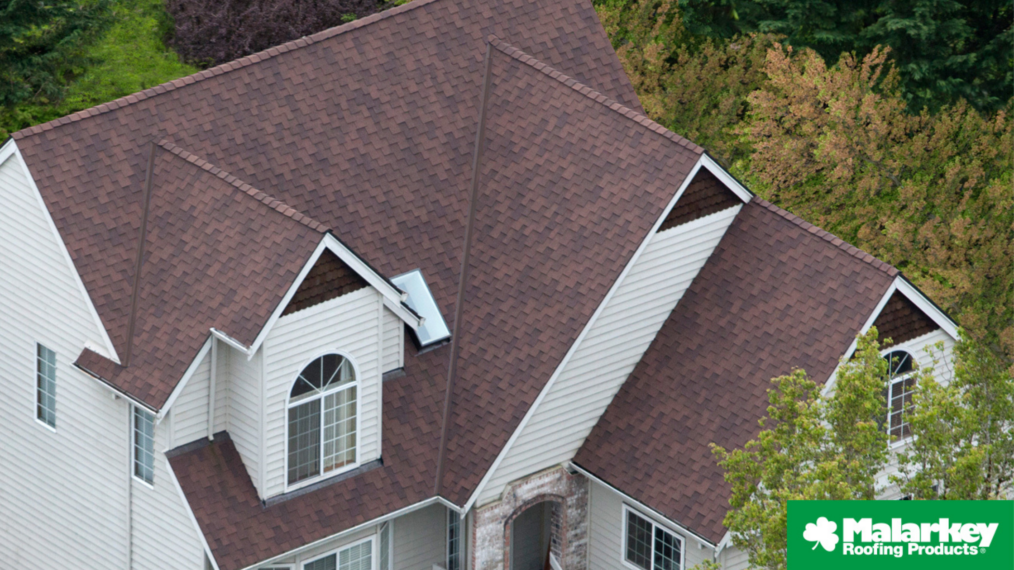
Quick answer: Malarkey roofing systems dominate the Pacific Northwest because their polymer-modified asphalt withstands heavy rain, high winds, and rapid temperature swings. They feature algae-resistant copper and zinc granules that actively prevent moss growth, making them an incredibly durable and eco-friendly choice for rainy climates.
Key Takeaways
- Malarkey roofing systems utilize NEX polymer-modified asphalt for superior flexibility, impact resistance, and all-weather durability.
- Built-in smog-reducing technology and upcycled rubber materials make these roofs highly sustainable and environmentally friendly.
- Hiring an experienced Clyde Hill WA Roofing Contractor like Anderson Roofing ensures proper installation techniques that maximize manufacturer warranties and roof lifespan.
Living in Washington state means dealing with relentless rain, aggressive windstorms, and unpredictable temperature shifts. A residential roof needs to act as a resilient, long-lasting shield against heavy precipitation and constant moisture. Homeowners regularly struggle to find roofing materials that can endure these environmental stressors without requiring frequent, expensive repairs.
Anderson Roofing frequently recommends specific materials engineered exclusively for this damp, demanding climate. Standard asphalt shingles often become brittle over time, crack under stress, and harbor thick moss or algae in damp environments. Property owners need an alternative that stays flexible and clean year-round, regardless of how much rain falls during the winter months.
This guide explains exactly how Pacific Northwest weather impacts your home and why modern polymer-modified shingles solve these regional challenges. You will learn the science behind these advanced building materials and understand how to protect your property for decades to come.
What makes Malarkey roofing systems ideal for Pacific Northwest weather?
Standard roofing materials deteriorate quickly under the constant barrage of Washington rain and wind. Malarkey roofing systems use an innovative NEX polymer-modified asphalt. This manufacturing process mixes upcycled rubber and plastics into the asphalt core. The resulting material remains highly pliable, meaning the shingles stretch and contract with temperature changes instead of snapping or tearing.
This flexibility prevents the micro-cracking that typically allows water to seep into a home’s underlayment. When high winds hit the coast or the Puget Sound region, the rubberized nature of the shingles helps them hold tightly to the roof deck. They resist tearing and blow-offs far better than traditional, rigid asphalt products.
How do algae-resistant shingles prevent moss growth on Washington homes?
Moss and algae thrive in the damp, shaded environments common across the Pacific Northwest. Once moss establishes roots on a traditional roof, it lifts the shingles and invites severe water damage. Malarkey roofing systems incorporate specially engineered copper and zinc granules directly into the surface of the shingle. When rainwater washes over the roof, it releases a trace amount of these minerals, creating a harsh environment where moss and algae simply cannot grow.
Why is rubberized asphalt better than traditional roofing materials?
Traditional asphalt is baked to a stiff consistency, making it prone to granule loss over time. Granules protect the asphalt from harmful UV rays. When standard shingles lose their granules, they degrade rapidly. The polymer-modified asphalt used by Malarkey holds onto its protective granules tightly because the rubber acts like an adhesive matrix. This drastically reduces the amount of roofing material that washes into your gutters during heavy autumn downpours.
Furthermore, Malarkey incorporates 3M Smog-Reducing Granules into their designs. These specialized granules use sunlight to convert airborne pollutants into water-soluble ions that safely wash away. A standard roof equipped with this technology can reduce smog equivalent to planting several trees in your yard.
How can a trusted Clyde Hill WA Roofing Contractor maximize your roof’s lifespan?
Even the most advanced building materials will fail if they are installed incorrectly. Partnering with a specialized Clyde Hill WA Roofing Contractor ensures that the precise specifications required by the manufacturer are met.
Anderson Roofing understands the nuances of the Malarkey installation process, particularly the expanded nailing area known as “The Zone.” This wider nailing strip allows installers to secure the shingles more accurately and efficiently, drastically reducing the risk of blow-offs during intense winter storms. A certified contractor also guarantees that your property receives the full benefit of Malarkey’s extensive warranties.
Should you choose Malarkey shingles for your Washington property?
Selecting a new roof requires balancing upfront costs with long-term value. Choose Malarkey roofing systems if environmental sustainability, proven moss resistance, and extreme weather durability matter more to you than the lowest possible initial price tag. Homeowners who plan to stay in their houses for more than five years gain significant financial advantages by avoiding the frequent repairs and moss-removal treatments associated with cheaper roofing alternatives.
Frequently asked questions about roofing in the Pacific Northwest
How long do Malarkey shingles last in rainy climates?
When properly installed by a certified professional, polymer-modified shingles can last 30 to 50 years. Their rubberized asphalt core prevents the premature cracking and brittleness that usually destroys roofs in wet, cold environments.
Are polymer-modified roofs more expensive than standard asphalt?
The initial material and installation costs for polymer-modified shingles are generally 10% to 20% higher than traditional oxidized asphalt. However, the extended lifespan, reduced maintenance costs, and included algae warranties make them significantly more cost-effective over a 20-year period.
What are the main alternatives to rubberized shingles?
Homeowners can choose standard asphalt, metal roofing, or cedar shakes. Metal roofing offers comparable longevity but at a much higher price point, while cedar shakes require intense maintenance to prevent rot in the damp Washington climate. Standard asphalt is the cheapest option but requires replacement much sooner.
Protect your home with advanced roofing technology
Upgrading your roof is one of the most critical investments you can make to protect the structural integrity of your home. By utilizing modern materials engineered for extreme weather, you eliminate the constant anxiety that accompanies every major Pacific Northwest rainstorm.
If you are ready to evaluate the current health of your roof or explore sustainable replacement options, reach out to Anderson Roofing. As an experienced Clyde Hill WA Roofing Contractor, our team will help you determine the exact specifications needed to keep your property safe, dry, and beautiful.