

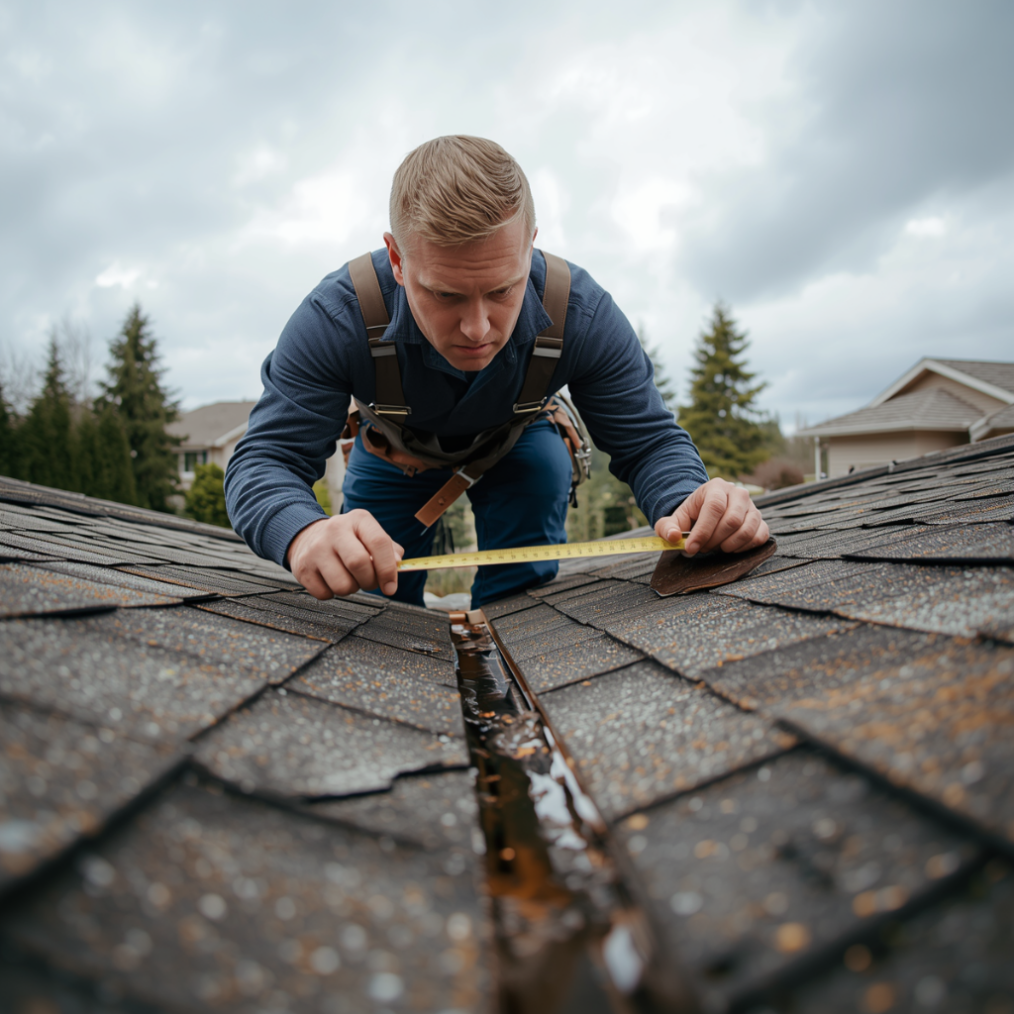
Quick answer: Ignoring a roof leak can turn a minor, affordable fix into thousands of dollars in damage. While roof leak repair cost typically ranges from a few hundred to a couple thousand dollars, waiting can lead to rot, mold, structural damage, and full roof replacement—costing far more in the long run.
That small water stain on your ceiling might seem harmless. Maybe it hasn’t grown in weeks, or it only shows up after heavy rain. It’s tempting to put off the call and deal with it later. But here in the Pacific Northwest, “later” often means a bigger problem and a much bigger bill.
A roof leak rarely stays small. Water finds its way into insulation, framing, and drywall, quietly causing damage you can’t see until it becomes serious. By the time the issue is obvious, the repair has often grown from a quick patch into a major project.
This post breaks down what really happens when you wait, what a typical repair costs, and why acting fast saves money. As a trusted Kenmore WA roofing contractor, Anderson Roofing has seen firsthand how small leaks become expensive disasters—and how easily they can be prevented.
Key Takeaways
- A minor roof leak is far cheaper to fix than the water damage, mold, and structural problems that result from waiting.
- Roof leak repair cost varies based on the source and severity, but early action almost always keeps the price low.
- Scheduling a prompt inspection with a qualified Kenmore WA roofing contractor protects both your home and your budget.
What does a roof leak actually cost to repair?
Most homeowners are surprised to learn that catching a leak early is relatively inexpensive. A simple repair—like replacing a few shingles, sealing flashing, or fixing a small section of underlayment—usually falls on the lower end of the spectrum.
The trouble starts when water has time to spread. The longer a leak goes unaddressed, the more it affects the materials around it. What begins as a localized fix can expand into repairs involving the roof deck, attic, ceilings, and walls.
Here’s how the damage typically escalates:
- Early stage: A small leak caught quickly often means a minor shingle or flashing repair.
- Middle stage: Water reaches insulation and the roof deck, requiring more extensive material replacement.
- Late stage: Persistent moisture leads to rot, mold, and structural damage—sometimes requiring a partial or full roof replacement.
The roof leak repair cost climbs at each stage. A homeowner who acts within days of spotting a problem pays a fraction of what someone pays after months of slow leaking.
Why do roof leaks get worse so quickly in the Pacific Northwest?
Our climate is part of the problem. Frequent rain and high humidity give water constant opportunities to seep deeper into your home. Unlike drier regions, where a leak might sit dormant during long stretches without rain, roofs here face moisture nearly year-round.
That steady exposure speeds up rot and mold growth. Wet wood softens, fasteners corrode, and trapped moisture creates the perfect environment for mold to spread through insulation and framing. A leak that might take a year to cause damage elsewhere can do the same harm in a single rainy season here.
What hidden damage does a slow leak cause?
The repair you can see is rarely the whole story. A persistent leak works through your home in layers, and most of that damage stays hidden until it’s severe.
Structural damage
Water weakens the wood that supports your roof. Over time, rafters, decking, and joists can rot and lose their strength. Replacing structural components is one of the most expensive roofing repairs—and it’s almost always preventable with early action.
Mold and air quality issues
Mold thrives in damp, dark spaces like attics and wall cavities. Beyond the cost of remediation, mold can affect indoor air quality and create health concerns for your family. Once it spreads, removing it becomes a costly, disruptive process.
Damaged insulation
Wet insulation loses its ability to regulate temperature. That means higher energy bills on top of the eventual cost of replacement. Soggy insulation also holds moisture against your framing, accelerating rot.
Ruined interior finishes
Stained ceilings, peeling paint, warped drywall, and damaged flooring all add to the final bill. These are the visible reminders that a small leak was left unattended for too long.
How can you tell if you have a roof leak?
Catching a leak early depends on knowing what to look for. Watch for these warning signs:
- Water stains or discoloration on ceilings or walls
- A musty smell in the attic or upper floors
- Damp or sagging spots on the ceiling
- Missing, cracked, or curling shingles
- Granules from shingles collecting in gutters
- Daylight visible through the roof boards in the attic
If you notice any of these, it’s worth scheduling an inspection right away. Many leaks are easier and cheaper to fix when caught at the first sign of trouble.
Is it worth paying for a repair right away?
In nearly every case, yes. Paying for a prompt repair is an investment that protects you from far greater expenses down the road. Think of it this way: a minor repair today is predictable and affordable. The cost of waiting is unpredictable and often much higher.
Choose immediate repair if you want to avoid structural damage, protect your home’s value, and keep costs low. The only scenario where waiting makes sense is when a qualified professional has inspected the issue and confirmed it isn’t urgent—and even then, monitoring is essential.
A reliable Kenmore WA roofing contractor can assess the situation, explain your options, and give you an honest estimate before any work begins. That clarity helps you make a confident decision instead of gambling on the weather.
Protect your home before the next storm
A roof leak is one of those problems that never improves on its own. Every day you wait gives water more time to damage the structure, insulation, and air quality of your home—turning an affordable fix into a major expense.
The smartest move is also the simplest: address leaks as soon as you spot them. A quick inspection can confirm the source, reveal any hidden damage, and keep your roof leak repair cost as low as possible.
If you’ve noticed a stain, a drip, or any of the warning signs above, don’t wait for the next downpour. Reach out to Anderson Roofing, your trusted Kenmore WA roofing contractor, for a thorough inspection and an honest assessment of your roof’s condition.
Frequently Asked Questions
How much does roof leak repair cost on average?
The roof leak repair cost depends on the source and severity of the leak. Minor repairs—like sealing flashing or replacing a few shingles—are relatively affordable. Costs rise significantly once water reaches the roof deck, insulation, or structural framing, which is why early repair is always the cheaper option.
How long can I safely wait to fix a roof leak?
Not long, especially in the Pacific Northwest. Frequent rain and humidity allow water to spread quickly, accelerating rot and mold. Ideally, you should schedule an inspection within days of noticing a leak to prevent the damage from worsening.
Can a small roof leak really cause major damage?
Yes. A slow, steady leak can rot framing, ruin insulation, spread mold, and damage ceilings and walls long before the problem becomes obvious. Much of the damage stays hidden, which is why small leaks often lead to surprisingly large repair bills.
Should I try to repair a roof leak myself?
Temporary measures may slow water intrusion, but DIY fixes rarely address the root cause. A professional Kenmore WA roofing contractor can locate the true source of the leak, check for hidden damage, and ensure the repair lasts—saving you money over time.