

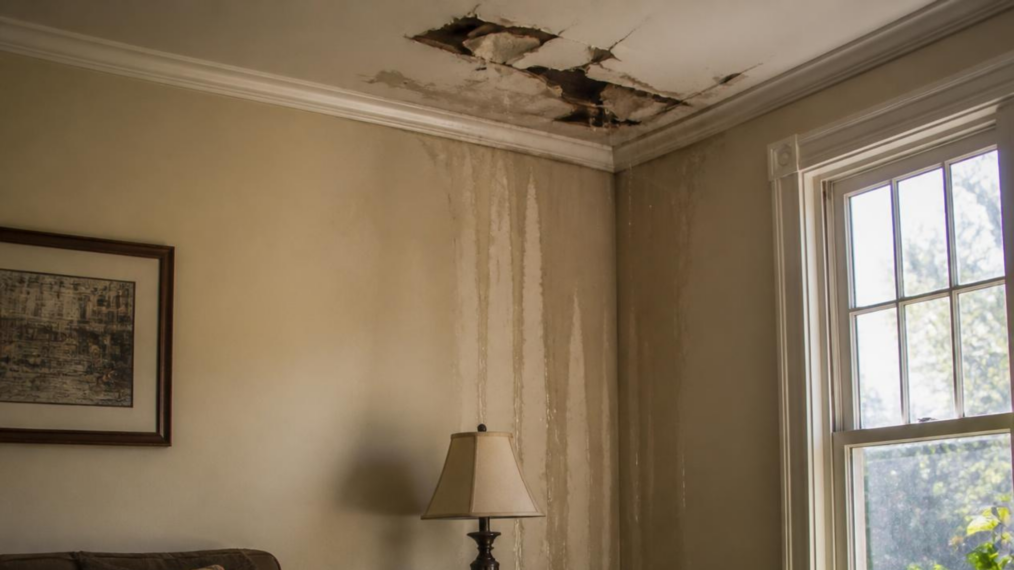
Quick answer: Ignoring a roof leak can quickly escalate a minor $300 fix into a massive $3,000 structural disaster. Water damage spreads rapidly, causing mold growth, rotting wood, and compromised insulation. Hiring a professional like Anderson Roofing immediately minimizes your roof leak repair cost and protects your home’s foundation from permanent moisture damage.
Key Takeaways:
- Small drips often hide extensive internal water damage that decays your roof decking and attic beams.
- Acting within the first 24 to 48 hours prevents hazardous mold growth and keeps repair bills low.
- Partnering with a reliable Kenmore WA Roofing Contractor ensures the root cause is fixed permanently, rather than just patching the surface.
A tiny water stain on your ceiling might seem like a minor annoyance you can deal with next month. You place a bucket in the attic, dry up the drywall, and promise yourself you will call a professional eventually. Many homeowners take this approach because they fear the immediate expense of hiring a repair crew.
Delaying action actually triggers a chain reaction of structural decay inside your house. Water always follows the path of least resistance. By the time moisture finally breaks through your ceiling paint, it has already traveled across roof trusses, soaked your fiberglass insulation, and pooled along your drywall. The water you see represents only a fraction of the actual leak.
Understanding how moisture ruins building materials helps you make smarter decisions about home maintenance. Fixing a compromised shingle immediately saves you from replacing entire sections of your house later.
How does water damage spread inside a residential roof?
Water intrusion operates on a very strict timeline. Within the first 24 to 48 hours of a leak, mold spores begin to germinate inside damp, dark spaces like your attic. Mold feeds on the paper backing of drywall and the wooden beams supporting your house. Once established, mold requires professional remediation to remove safely, adding thousands of dollars to your final bill.
If the water continues entering the house over several weeks, the wooden roof deck begins to rot. Plywood and oriented strand board (OSB) swell and lose their structural integrity when continuously wet. A heavy snowfall or severe windstorm can then cause the weakened roof sections to sag or collapse entirely.
Water also ruins your home’s energy efficiency. Fiberglass insulation loses its thermal resistance the moment it absorbs moisture. Clumped, wet insulation allows your expensive heating and cooling to escape through the attic, driving up your monthly utility bills. The longer you wait, the more systems inside your house suffer secondary damage.
What factors impact your roof leak repair cost?
The financial penalty for ignoring a leak multiplies every time it rains. A prompt repair usually involves replacing a few missing shingles, resealing some flashing around a chimney, or fixing a cracked pipe boot. When left unchecked, the repair scope expands from simple exterior work to complex interior reconstruction.
How do roofing materials affect the final repair bill?
The type of roof you have directly influences the baseline price of repairs. Standard asphalt shingles remain the most affordable material to patch, as technicians can easily slide new pieces into place. Slate tiles, cedar shakes, and standing seam metal roofs require specialized labor and more expensive replacement materials. However, if water reaches the underlying decking, the surface material matters less because the entire section must be torn off and rebuilt from the rafters up.
Why does timing change the price of fixing a roof?
Timing dictates the difference between a localized patch and a major restoration project. Finding a missing shingle the day after a storm means a technician can secure the area before rain penetrates the underlayment. Waiting six months means the contractor must rip out rotted wood, treat the attic for black mold, replace soaked drywall, and install new insulation. Choose immediate action if keeping expenses low matters more than avoiding a quick phone call today.
When should you call a Kenmore WA Roofing Contractor?
You should contact a professional the moment you notice curling shingles, granules washing down your gutters, or brown spots appearing on your ceiling. Anderson Roofing provides targeted inspections that identify exactly where water enters the structure.
Homeowners should never attempt to climb onto a wet, damaged roof themselves. Professional roofers possess the safety equipment, training, and diagnostic tools needed to locate hidden leaks without causing further harm to the materials. They understand local weather patterns and building codes, ensuring the repair withstands the next heavy storm. Anderson Roofing guarantees that the structural integrity of your home is restored correctly the first time.
Protect your home and wallet from water damage
A dripping ceiling is an active emergency happening inside your walls. The true price of waiting includes rotted wood, hazardous mold, and skyrocketing utility bills. Addressing the problem today requires a small investment that protects your property value and your family’s health for decades.
Do not let a minor patch turn into a major reconstruction project. Contact a qualified roofing expert to seal your home against the elements before the next rainstorm arrives.
Frequently Asked Questions About Roof Leaks
How much does a typical roof leak repair cost?
A minor repair for a few damaged asphalt shingles usually ranges from $300 to $600. If the leak has caused structural rotting or requires decking replacement, the roof leak repair cost can easily exceed $1,500 to $3,000 depending on the extent of the water spread.
How long does it take to fix a leaking roof?
A professional roofer can typically complete a minor surface patch in one to two hours. Complex repairs that involve replacing rotted plywood, installing new flashing, or repairing interior ceiling drywall may take two to three days to finish completely.
What are the risks of ignoring a small ceiling drip?
Ignoring a drip allows water to saturate your attic, leading to toxic mold growth within 48 hours. Long-term exposure rots the wooden framing of your house, destroys your insulation, and creates severe electrical hazards if water contacts your home’s wiring.
Why should I hire a local roofer instead of doing it myself?
A local Kenmore WA Roofing Contractor like Anderson Roofing understands the specific climate challenges and building codes in your region. Professionals safely navigate steep pitches, accurately diagnose hidden water entry points, and provide warranties that DIY repairs simply cannot offer.