

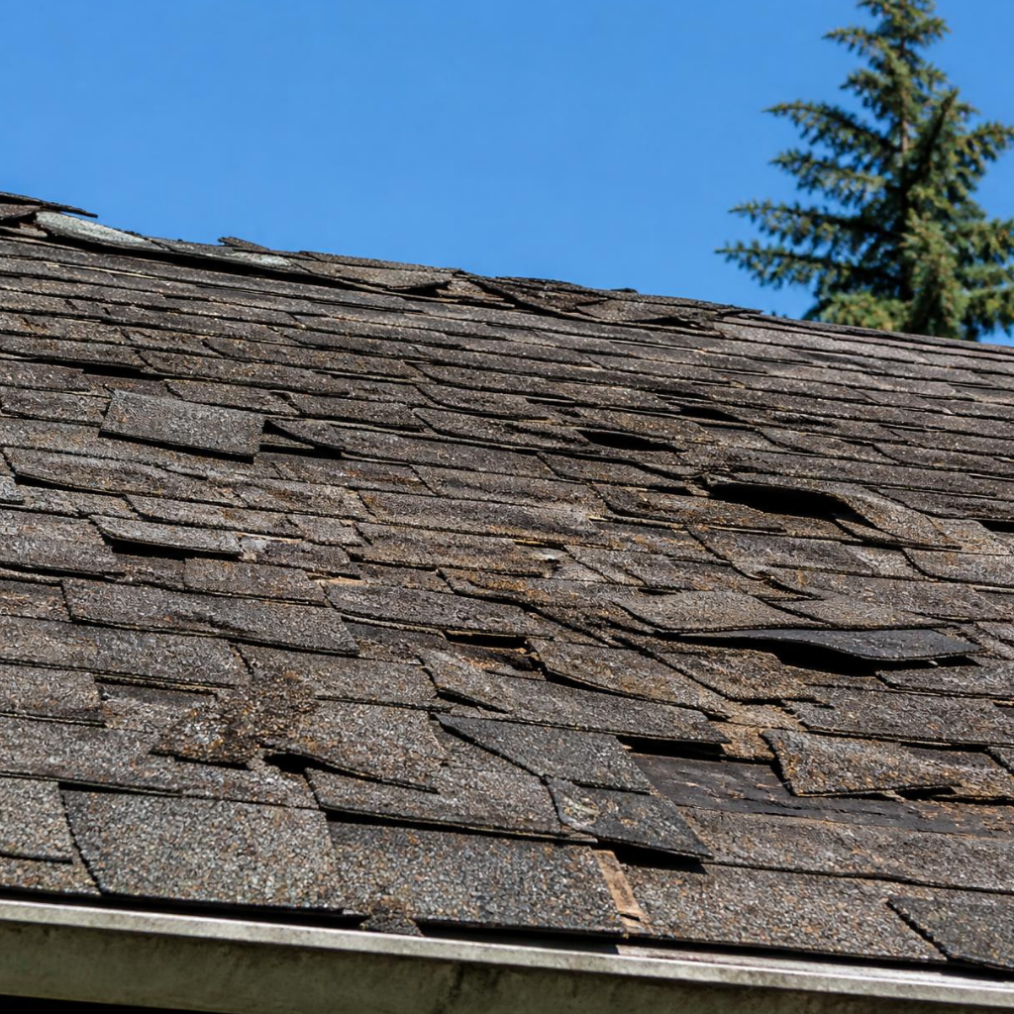
Quick answer: Most roofs last 20–30 years, but age isn’t the only clue. Watch for curling or missing shingles, granules in your gutters, daylight or water stains in the attic, and sagging areas. If you notice several of these signs, it’s likely time to plan a roof replacement before minor issues turn into costly damage.
Your roof works hard every single day. It shields your home from rain, wind, snow, and blistering sun—often without you giving it a second thought. But like anything else, a roof won’t last forever. Knowing when yours is wearing out can save you thousands in water damage, mold remediation, and emergency repairs.
The tricky part? Roofs rarely fail all at once. They decline gradually, dropping subtle hints along the way. If you can spot those hints early, you’ll have time to plan and budget instead of scrambling after a leak soaks your living room ceiling.
In this guide, we’ll walk through the clearest warning signs that your roof is nearing the end of its life. You’ll learn what to look for, when to call a professional, and how to decide whether a repair or a full replacement makes the most sense for your home.
Key Takeaways
- Most roofs last 20–30 years, but factors like material, weather, and installation quality can shorten that timeline.
- Common warning signs include curling or missing shingles, granule loss, attic leaks, sagging, and rising energy bills.
- If you spot multiple red flags—or your roof is over two decades old—schedule a professional inspection to determine whether a roof replacement is the smarter long-term choice.
How long is a roof supposed to last?
The lifespan of your roof depends heavily on the material. Here’s a rough guide:
- Asphalt shingles: 20–30 years
- Wood shakes: 25–30 years
- Metal roofing: 40–70 years
- Tile or slate: 50+ years
That said, no two roofs age the same way. A roof in the Pacific Northwest faces near-constant moisture, moss growth, and heavy rainfall—conditions that can accelerate wear. Poor attic ventilation, low-quality installation, and neglected maintenance can also cut years off your roof’s expected lifespan.
If your roof is pushing 20 years or more, it’s worth paying closer attention to the warning signs below.
What are the warning signs your roof needs replacing?
You don’t need to climb onto your roof to spot trouble. Many of the biggest red flags are visible from the ground, your attic, or your gutters. Here’s what to watch for.
Curling, cracked, or missing shingles
Shingles are your first line of defense. When they start curling at the edges, cracking, or going missing entirely, water gets a direct path into your home. A few damaged shingles might only need a repair. But when the problem is widespread, it usually signals that the whole roof is breaking down.
Granules building up in your gutters
Asphalt shingles are coated with tiny granules that protect them from the sun. As shingles age, those granules loosen and wash into your gutters. If you notice piles of what looks like coarse black sand collecting in your gutters or downspouts, your shingles are losing their protective layer—and their lifespan is running short.
Daylight, leaks, or stains in the attic
Head up to your attic on a sunny day and turn off the lights. If you can see beams of daylight coming through the roof boards, water can get in too. Dark stains, damp insulation, or a musty smell are also strong signals that your roof is letting moisture through.
A sagging or uneven roofline
A healthy roof follows a straight, even line. If you notice dips, sags, or a wavy appearance, that points to structural trouble—often from trapped moisture rotting the decking underneath. Sagging is serious and usually calls for a professional inspection right away.
Moss, algae, or persistent moss growth
In damp climates, moss and algae love to settle on rooftops. A little growth is mostly cosmetic, but thick moss traps moisture against your shingles and can lift them over time. If moss keeps coming back despite cleaning, your roof may be holding onto too much moisture.
Climbing energy bills
An aging or poorly sealed roof lets your heated and cooled air escape. If your energy bills have crept up without any clear reason, your roof and attic ventilation could be part of the problem.
Should you repair or replace your roof?
This is the question most homeowners wrestle with, and the answer comes down to a few factors.
Choose a repair if the damage is limited to a small, isolated area, your roof is still relatively young, and there are no signs of widespread wear. Patching a handful of shingles or fixing a single leak is far cheaper than a full replacement.
Choose a roof replacement if your roof is near or past its expected lifespan, the damage is spread across large sections, or you’re facing repeat repairs year after year. At a certain point, pouring money into patch jobs costs more than simply starting fresh—and a new roof gives you decades of peace of mind.
A good rule of thumb: if repairs would cost more than a third of a full replacement, replacing the roof is usually the smarter investment.
Why does the Pacific Northwest climate matter?
Homeowners in the Seattle metro area face unique roofing challenges. Frequent rain, high humidity, and long stretches of damp weather create ideal conditions for moss, algae, and moisture damage. That constant exposure means roofs here can show their age faster than roofs in drier regions.
If you’re considering a roof replacement Bellevue WA homeowners can trust, it pays to work with a local team that understands how the regional climate affects roofing materials. A contractor familiar with Pacific Northwest weather can recommend materials and ventilation solutions built to handle the moisture.
Protect your home before it’s too late
A failing roof rarely announces itself with a dramatic collapse. It sends quiet signals—curling shingles, gritty gutters, a faint water stain—long before disaster strikes. Paying attention to those clues gives you the power to act on your own timeline instead of reacting to an emergency.
If your roof is showing several of the signs above, or it’s simply getting up there in years, the best next step is a professional inspection. At Anderson Roofing, our team can assess your roof’s condition, walk you through your options, and help you decide whether a repair or a full roof replacement is right for your home. Reach out today to schedule your inspection and keep your home protected for years to come.
Frequently Asked Questions
How often should I have my roof inspected?
Most roofing professionals recommend an inspection every one to two years, and after any major storm. If your roof is over 15 years old, an annual inspection helps you catch problems early and extend its remaining lifespan.
Can I replace just part of my roof?
Yes, partial replacements are possible when damage is contained to one section. However, mixing old and new shingles can create uneven wear and visible color differences. If your roof is aging overall, a full replacement often delivers better long-term value.
How long does a roof replacement take?
Most residential roof replacements take one to three days, depending on the size of your home, the roofing material, and the weather. Larger or more complex roofs may take longer.
Does a new roof add value to my home?
Absolutely. A new roof boosts curb appeal, improves energy efficiency, and reassures potential buyers that they won’t face a major expense soon after purchase. It’s one of the most reliable home improvements for return on investment.