

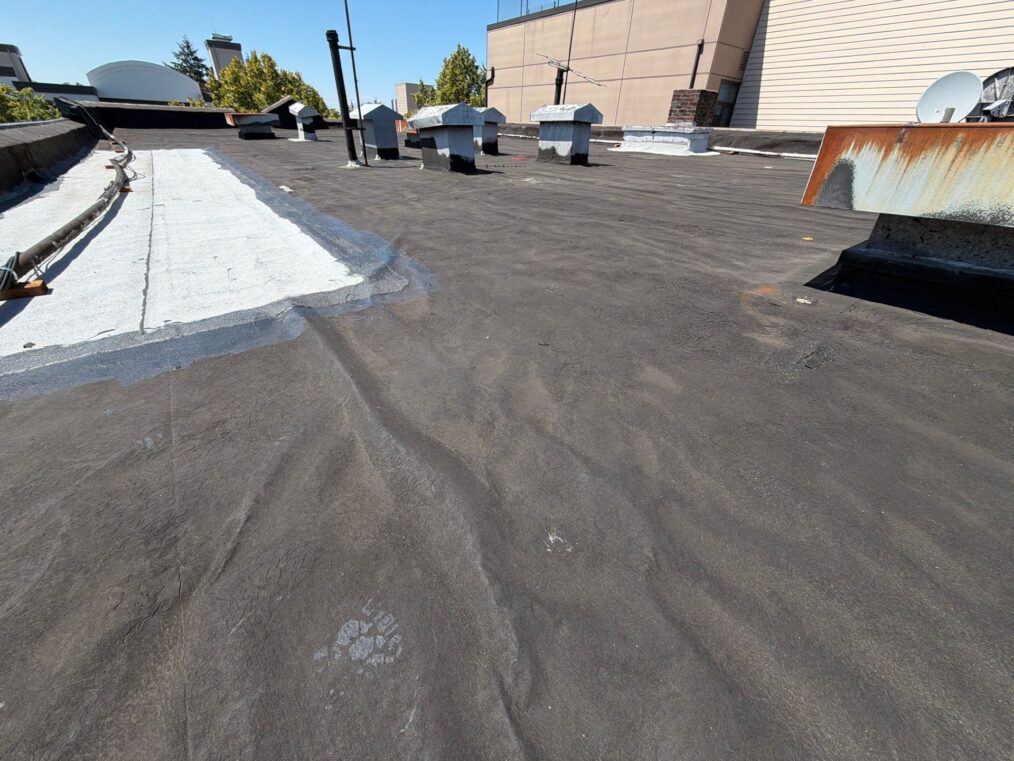
Quick Answer: Flat roofs in the Pacific Northwest face unique challenges due to heavy rainfall, moss growth, and temperature swings. The most common issues include ponding water, membrane damage, and poor drainage—all of which require prompt flat roof repair to prevent costly structural damage. Anderson Roofing provides expert Issaquah WA roof repair services to keep your property protected year-round.
The Pacific Northwest gets a lot of things right—stunning scenery, world-class coffee, mild summers. But for flat roof owners, the region’s relentless rain, moss-friendly humidity, and freezing winter temperatures create a perfect storm of roofing problems.
Flat roofs are popular on commercial buildings, modern homes, and additions across the region. They’re cost-effective and architecturally versatile—but they demand more attention than pitched roofs, especially here. Knowing what to watch for can be the difference between a minor repair and a major replacement.
This guide breaks down the most common flat roof repair problems seen across the Pacific Northwest, what causes them, and when to call a professional.
Key Takeaways
- Ponding water and poor drainage are the leading causes of flat roof deterioration in the Pacific Northwest’s wet climate.
- Moss, algae, and membrane damage develop quickly in the region’s humidity and must be addressed before they compromise the roof’s structural integrity.
- Early intervention saves money—routine inspections and timely Issaquah WA roof repair can extend a flat roof’s lifespan by years.
Why Flat Roofs Struggle in the Pacific Northwest
Pitched roofs shed water quickly by design. Flat roofs, by contrast, rely entirely on drainage systems to move water off the surface. In a region where Seattle alone averages around 38 inches of rain per year—spread across more than 150 rainy days—that’s a serious engineering challenge.
Add in freezing temperatures in higher-elevation areas like Issaquah, and you have conditions that accelerate wear, stress roofing materials, and expose even minor vulnerabilities fast.
What Are the Most Common Flat Roof Problems in the PNW?
Ponding Water
Ponding water is the single most common flat roof repair issue in the Pacific Northwest. It occurs when water pools on the roof surface for more than 48 hours after rainfall—a clear sign that the drainage system isn’t doing its job.
Standing water adds significant weight to the roof structure. Over time, it softens roofing membranes, accelerates seam deterioration, and creates ideal conditions for moss and algae growth. Left unaddressed, ponding water can cause the roof deck to rot or sag.
Common causes include:
- Clogged or undersized drains
- Inadequate roof slope (flat roofs should have a minimum slope of 1/4 inch per foot)
- Structural settling that creates low spots
Membrane Blistering and Bubbling
Flat roofs are typically covered with a roofing membrane—TPO, EPDM, or modified bitumen are common choices in the PNW. When moisture gets trapped beneath the membrane during installation, or when it infiltrates through small cracks over time, heat causes that moisture to expand. The result: blistering and bubbling.
Blisters weaken the membrane at the point of failure. Once the blister breaks—whether from foot traffic, UV exposure, or thermal stress—water has a direct path into the roof assembly.
Moss, Algae, and Organic Growth
Few roofing problems are as visually distinct—or as insidious—as moss growth. The Pacific Northwest’s combination of moisture, shade, and mild temperatures makes flat roofs an ideal habitat for moss and algae.
Moss is more than an aesthetic problem. Its root systems physically penetrate roofing membranes and surface coatings, creating micro-tears that allow water infiltration. Algae, while less structurally damaging, retains moisture on the surface and accelerates deterioration.
Property owners in areas like Issaquah, where tree cover is dense and rooftops stay shaded for long stretches, are especially vulnerable.
Flashing Failures
Flashing is the metal or membrane material used to seal the joints where the roof meets walls, vents, skylights, and HVAC equipment. It’s one of the most critical—and most commonly failed—components of any flat roof system.
In the PNW, flashing takes a beating. Repeated freeze-thaw cycles cause metal to expand and contract, loosening seals over time. Heavy rain then exploits those gaps, driving water into wall cavities and around penetrations.
Signs of flashing failure include:
- Water stains on interior ceilings near walls or vents
- Visible gaps or lifting at roof edges
- Rust or corrosion on metal flashing
Poor Drainage and Blocked Gutters
Even a well-designed flat roof drainage system will fail if it isn’t maintained. During fall, gutters and roof drains in the Pacific Northwest can clog with leaves, pine needles, and debris within weeks. Blocked drains back water up onto the roof surface, accelerating all the problems described above.
Seasonal cleaning—particularly in autumn before the heavy rains arrive—is one of the simplest ways to extend the life of a flat roof.
UV and Thermal Damage
The Pacific Northwest may not be Phoenix, but it still sees enough summer sun to cause cumulative UV damage to roofing membranes. UV radiation degrades the chemical bonds in EPDM and modified bitumen over time, causing surfaces to become brittle, crack, and lose their waterproofing properties.
Combined with the thermal stress of cold winters and warm summers, this cycle of expansion and contraction creates micro-cracks that eventually allow water penetration.
How Long Do Flat Roofs Last in the Pacific Northwest?
A well-maintained flat roof in the PNW typically lasts 15–25 years, depending on the membrane type and installation quality. TPO and EPDM membranes tend to perform well in the region’s climate due to their flexibility in low temperatures. Modified bitumen is also a popular choice for its durability and ease of repair.
The key word is “maintained.” Roofs that receive annual inspections and prompt repairs routinely outlast those that don’t by a decade or more.
When Should You Call a Professional for Flat Roof Repair?
Some flat roof issues—like clearing surface debris or cleaning gutters—are suitable for a confident homeowner. Others require professional assessment immediately:
- Active leaks or water stains on interior ceilings
- Visible membrane damage, including tears, blisters, or separating seams
- Significant ponding water that persists after 48 hours
- Flashing that has lifted or separated from walls and penetrations
- Moss coverage across a substantial portion of the roof
Delaying on any of these can turn a straightforward flat roof repair into a full replacement—and the cost difference is significant.
Protect Your Flat Roof Before Problems Escalate
The Pacific Northwest doesn’t give flat roofs much of a break. Rain, moss, UV damage, and temperature swings work year-round to find weak points in your roofing system. The good news is that most of the common problems described here are highly preventable with routine maintenance and early intervention.
Anderson Roofing specializes in flat roof repair and Issaquah WA roof repair for residential and commercial properties throughout the Pacific Northwest. If your flat roof is showing signs of wear—or if it’s simply been a while since your last inspection—reach out to the Anderson Roofing team for a professional assessment.
Frequently Asked Questions
How often should a flat roof in the Pacific Northwest be inspected?
Flat roofs in the PNW should be inspected at least twice a year—once in spring after the rainy season and once in fall before it begins. Properties with heavy tree cover or known drainage issues may benefit from more frequent checks.
What is the best flat roofing material for rainy climates like the Pacific Northwest?
TPO (Thermoplastic Olefin) and EPDM (Ethylene Propylene Diene Monomer) are both well-suited to wet climates. TPO reflects UV radiation and performs well across a range of temperatures. EPDM is highly flexible in cold weather and resistant to moisture. A roofing professional can recommend the best option based on your building’s specific needs.
Can moss on a flat roof be removed without replacing the membrane?
Yes, in most cases. Moss can be treated with commercial moss-removal solutions and safely removed without damaging the membrane, provided the growth hasn’t already penetrated the surface. After removal, applying a zinc or copper strip treatment can slow regrowth.
How much does flat roof repair typically cost in Issaquah, WA?
Repair costs vary widely depending on the extent of damage, the membrane type, and accessibility. Minor repairs—such as patching a small tear or resealing flashing—can cost a few hundred dollars. Larger repairs involving significant membrane replacement or structural damage can run into the thousands. An on-site inspection provides the most accurate estimate.
What causes a flat roof to fail prematurely?
The most common causes of premature flat roof failure are poor initial installation, lack of regular maintenance, persistent ponding water, and unaddressed flashing failures. Choosing a qualified roofing contractor and scheduling routine inspections are the two most effective ways to maximize a flat roof’s lifespan.