

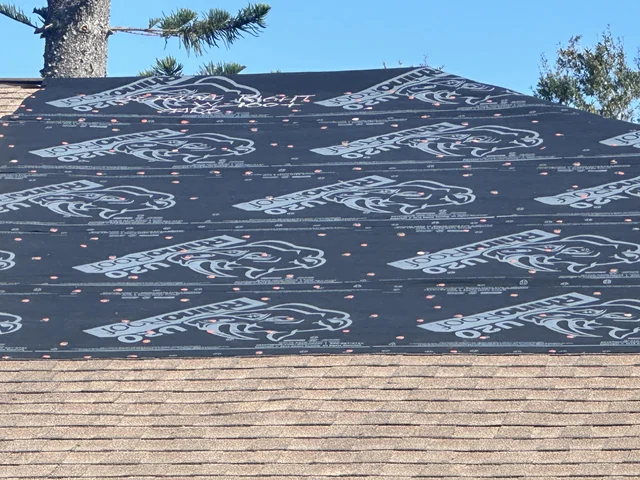
TL;DR: Cap nails and staples are both used in roofing underlayment installation, but cap nails offer significantly better holding power, wind resistance, and long-term performance. Most roofing professionals—and building codes in many areas—favor cap nails for roofing installation projects, including Kirkland WA roof installation.
When your roof is being installed or replaced, the conversation usually centers on shingles, warranties, and cost. Rarely does anyone stop to ask: “Wait—are you using cap nails or staples for the underlayment?”
It might sound like a minor detail. It isn’t.
The fasteners used to secure roofing underlayment play a direct role in how well your roof holds up against wind, moisture, and time. Choose the wrong one—or hire a contractor who does—and you could be looking at underlayment failure, water infiltration, and a voided manufacturer’s warranty.
This post breaks down the difference between cap nails and staples, explains why the choice matters for roofing installation, and helps you understand what to ask your contractor before work begins.
Key Takeaways
- Cap nails provide superior holding power compared to staples and are widely preferred for roofing underlayment installation.
- Many manufacturers require cap nails to maintain warranty coverage—using staples can void your underlayment warranty.
- For Kirkland WA roof installation, working with a contractor who follows best-practice fastening standards protects your home and your investment.
What Are Cap Nails and Staples—and How Are They Different?
Both cap nails and staples are used to secure roofing underlayment (felt paper or synthetic) to the roof deck before shingles are applied. That’s where the similarities end.
Cap nails feature a wide plastic or metal cap—typically around 1 inch in diameter—attached to the nail shank. That broad cap distributes holding force across a larger surface area, gripping the underlayment firmly without tearing through it.
Staples are U-shaped metal fasteners driven by a pneumatic staple gun. They’re faster to apply and cost less per fastener, but their narrow crown creates a much smaller contact area with the underlayment material.
The practical difference? Cap nails hold. Staples puncture.
Why Cap Nails Are the Preferred Choice for Roofing Underlayment
Do Cap Nails Actually Hold Better Than Staples?
Yes—and by a significant margin. Because the cap distributes load across a wider area, cap nails resist pull-through far more effectively than staples. When wind gets under a roof, uplift forces act directly on the underlayment. A staple’s narrow crown can tear right through synthetic or felt underlayment under those conditions. A cap nail’s broad base keeps the material anchored.
This matters especially in the Pacific Northwest. Kirkland, WA experiences significant wind and rain events throughout the year, and a properly fastened underlayment is your roof’s primary moisture barrier if shingles are ever displaced.
Will Using Staples Void My Roofing Warranty?
For many underlayment products, yes. Several major underlayment manufacturers—including DuPont (Tyvek) and various synthetic underlayment brands—specify cap nail installation as a condition of their product warranty. If a contractor installs underlayment with staples and your roof later fails, the manufacturer may deny your claim on the grounds that installation didn’t meet their requirements.
Before any roofing installation project begins, it’s worth asking your contractor to confirm which fastener type the underlayment manufacturer requires. A reputable contractor will already know the answer.
Are Staples Ever Acceptable in Roofing?
Staples aren’t universally banned from roofing, but their appropriate uses are limited. In some jurisdictions and older building codes, staples were an accepted method for securing felt underlayment. However, most updated building codes—including those aligned with the International Residential Code (IRC)—now favor cap nails for underlayment installation.
In Washington State, local amendments and inspector preferences can vary by county, so it’s worth verifying what’s required for your specific Kirkland WA roof installation project.
How This Affects Your Roofing Project
What Should Homeowners Ask Their Roofing Contractor?
When getting quotes for a roof replacement or new roofing installation, ask these questions directly:
- What fastener type will you use for the underlayment?
- Does the underlayment product you’re using require cap nails for warranty compliance?
- Are your installation methods compliant with current Washington State building codes?
A contractor who hesitates or can’t answer these questions clearly may be cutting corners elsewhere, too.
Does the Type of Underlayment Change the Equation?
Yes. Synthetic underlayments—which are increasingly common due to their superior moisture resistance and durability—are often more susceptible to fastener pull-through than traditional felt. This makes cap nails even more important when synthetic products are used. Felt underlayment is slightly more forgiving, but cap nails are still the stronger choice regardless of material.
Cost Difference: Is There a Premium for Cap Nails?
The cost difference between cap nail installation and staple installation is minimal in the context of a full roofing project. Cap nails cost slightly more per fastener, and a nail gun operates marginally slower than a staple gun. On a typical residential roof, this difference might translate to a small labor adjustment—nothing that should meaningfully affect your overall project cost.
If a contractor is offering a significantly lower price and citing staples as part of how they’re keeping costs down, that’s worth questioning. Cutting corners on fasteners often signals other shortcuts you won’t see until problems emerge.
Anderson Roofing’s Approach to Kirkland WA Roof Installation
At Anderson Roofing, every Kirkland WA roof installation follows manufacturer specifications and current building code requirements. That means cap nails—not staples—for underlayment installation. It also means using products that are appropriate for the Pacific Northwest climate, with fastening methods that protect your home for decades.
Getting the details right from the start is what separates a roof that lasts from one that becomes a recurring problem.
The Bottom Line on Cap Nails vs. Staples
The fasteners holding your underlayment in place aren’t glamorous. You’ll never see them once the shingles go on. But they’re doing critical work every time wind picks up or rain sets in.
Cap nails outperform staples on every meaningful metric: holding power, pull-through resistance, warranty compliance, and code alignment. For any roofing installation—and particularly for Kirkland WA roof installation projects where wet, windy conditions are the norm—cap nails are the right call.
If you’re planning a roof replacement or new installation, make fastener choice part of the conversation with your contractor. The right answer shouldn’t require a debate.
Ready to get started? Contact Anderson Roofing for a free estimate on your Kirkland roofing project.
Frequently Asked Questions
Are cap nails required by code for roofing in Washington State?
Washington State generally follows the International Residential Code (IRC), which favors cap nails for underlayment installation. Local jurisdictions, including those in King County, may have additional requirements. Always confirm with your contractor that their installation method meets current local code.
Can staples be used for roofing felt?
Staples can physically secure roofing felt, but they offer significantly less holding power than cap nails and may void your underlayment warranty. Most roofing professionals recommend cap nails regardless of underlayment type.
How do I know if my roofer is using the right fasteners?
Ask directly before work begins. Request to see the underlayment product spec sheet, which will outline approved fastener types. A professional contractor will provide this information without hesitation.
Does fastener choice affect my homeowner’s insurance?
Potentially. If underlayment failure occurs due to improper installation—including incorrect fasteners—an insurance claim could be disputed if the installation didn’t meet manufacturer or code requirements. Proper installation protects both your roof and your coverage.
What makes Kirkland WA roof installation different from other regions?
The Pacific Northwest climate brings sustained rainfall, wind events, and freeze-thaw cycles that put extra stress on roofing systems. These conditions make proper underlayment fastening—using cap nails—especially important for long-term performance.