

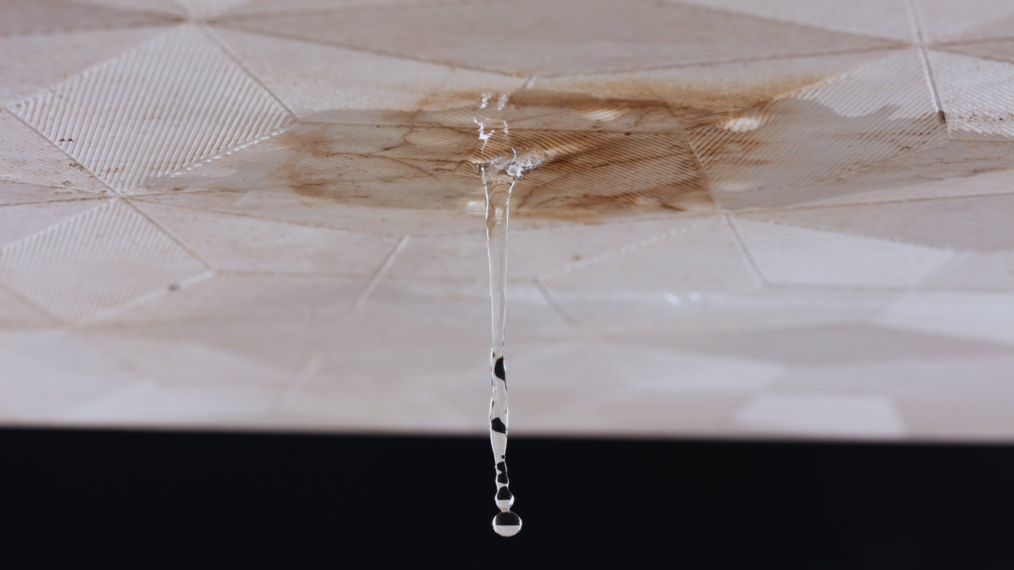
Quick answer: A minor roof leak can quickly escalate into severe structural issues, mold growth, and compromised insulation. Water travels along framing, rotting wood and destroying drywall long before stains appear on your ceiling. Prompt repairs by a professional prevent costly restorations and protect your property value.
Key Takeaways
- Ignoring small leaks leads to extensive rot and structural decay inside your walls and attic.
- Hidden moisture creates ideal environments for toxic mold growth and diminishes insulation effectiveness.
- Hiring a professional roofer immediately at the first sign of a leak saves thousands of dollars in secondary home repairs.
A dripping ceiling might seem like a minor annoyance that can wait until the weekend or the next dry season. Many homeowners place a bucket under the drip, wipe up the excess moisture, and forget about the underlying problem. Water, however, is incredibly persistent. Once it breaches your home’s exterior defense, it begins a slow, silent process of degradation that affects multiple interconnected systems within the house.
The journey water takes from a missing shingle to your living room ceiling is rarely a straight vertical line. It pools in attic insulation, travels down wooden rafters, and seeps into electrical wiring spaces. By the time you notice a visible brown stain on your drywall, the internal moisture has often been present for weeks or even months. The visible drip is usually just the final stage of a much larger hidden problem.
Understanding the cascading effects of water intrusion helps property owners prioritize immediate repairs. Promptly addressing these issues is the most effective way to protect your property value, avoid exorbitant restoration costs, and ensure the safety of the people living inside.
How does water intrusion affect your home’s structural integrity?
Water constantly interacting with raw wood inevitably leads to wood rot. Roof trusses, rafters, and ceiling joists bear the heavy load of your entire roofing system. When these wooden components absorb moisture, they weaken and compromise the skeletal structure of your house. Significant roof leak damage can eventually cause a roof deck to sag or, in extreme cases of neglect, collapse entirely under the weight of snow or heavy rain.
Fixing rotted structural framing is a highly complex construction process. It requires contractors to open up walls and ceilings, support the existing weight with temporary beams, and replace the decayed wood. This structural restoration far exceeds the simple cost of patching a few missing shingles or sealing a flashing gap.
Why do roof leaks pose a severe electrical fire hazard?
Water and electricity are a disastrous combination. As water travels through your attic space and inside your walls, it frequently encounters exposed electrical wiring, junction boxes, and recessed lighting fixtures. If water seeps into these live electrical components, it can easily cause short circuits.
A short circuit will trip your breaker panel and leave you without power, but more alarmingly, it can spark a hidden electrical fire inside your walls. A fire combined with existing water damage creates catastrophic, irreversible losses for homeowners. If you ever suspect water is interacting with your home’s electrical system, turn off the power at the main breaker immediately and call qualified professionals.
How can failing to fix a leak increase your energy bills?
Your attic insulation serves as a vital thermal barrier, keeping your home warm in the winter and cool in the summer. When insulation gets wet from an active leak, it clumps together and permanently loses its thermal resistance (known as R-value). Fiberglass and cellulose insulation take a remarkably long time to dry out, meaning they remain entirely ineffective long after the rain stops falling.
Consequently, your heating and cooling systems must work much harder to maintain comfortable indoor temperatures. This continuous overworking drives up monthly utility bills significantly and shortens the lifespan of your HVAC equipment due to the constant strain.
What are the hidden health risks of untreated moisture?
Dark, warm, and damp attic spaces create the perfect breeding ground for toxic mold and mildew. Fungi thrive on the paper backing of drywall and damp wooden beams. Once established, mold spores can spread rapidly through your HVAC system, infiltrating the air you breathe daily.
Prolonged exposure to indoor mold is linked to severe respiratory issues, allergic reactions, and asthma attacks in vulnerable individuals. Removing established mold requires specialized hazard remediation services. This specialized cleaning adds another massive layer of expense to the initial roof leak damage, turning a simple roof fix into a major environmental hazard cleanup.
When should you call a professional roofing contractor?
Climbing onto a wet, steep roof is highly dangerous for untrained individuals. Furthermore, finding the exact external entry point of water is notoriously difficult. Water can travel several feet along the underlayment from the external breach before finally dripping onto the interior ceiling.
An experienced Mercer Island WA Roofing Contractor like Anderson Roofing possesses the specialized tools, safety equipment, and knowledge to identify hidden vulnerabilities quickly. Professional contractors conduct thorough exterior and interior inspections, ensuring that both the obvious leak and any underlying structural compromises are fully resolved before the next storm hits.
Securing Your Home from the Top Down
Maintaining a watertight exterior is non-negotiable for preserving your home’s structural health and your family’s safety. Small drips quickly evolve into disastrous bills when left unchecked. Taking immediate action at the very first sign of interior moisture is the smartest financial decision a homeowner can make. Reach out to Anderson Roofing to schedule a comprehensive roof inspection and stop invasive leaks before they ruin your property.
Frequently Asked Questions About Roof Leaks
How much does it cost to fix a minor roof leak?
Minor roof repairs typically cost between $150 and $400, depending on the specific roofing material and the roof’s slope. Addressing the issue early prevents the need for major structural restorations that can cost thousands of dollars.
How long does it take for a roof leak to cause mold?
Mold can begin to grow within 24 to 48 hours of water intrusion if the indoor temperature and humidity levels are favorable. Prompt drying, ventilation, and repair are essential to stop mold proliferation before it spreads.
Does homeowners insurance cover roof leak damage?
Homeowners insurance usually covers sudden, accidental water damage caused by a covered peril, like a fallen tree puncturing the roof or a severe windstorm tearing off shingles. Policies generally do not cover damage resulting from long-term wear and tear or neglected home maintenance.