

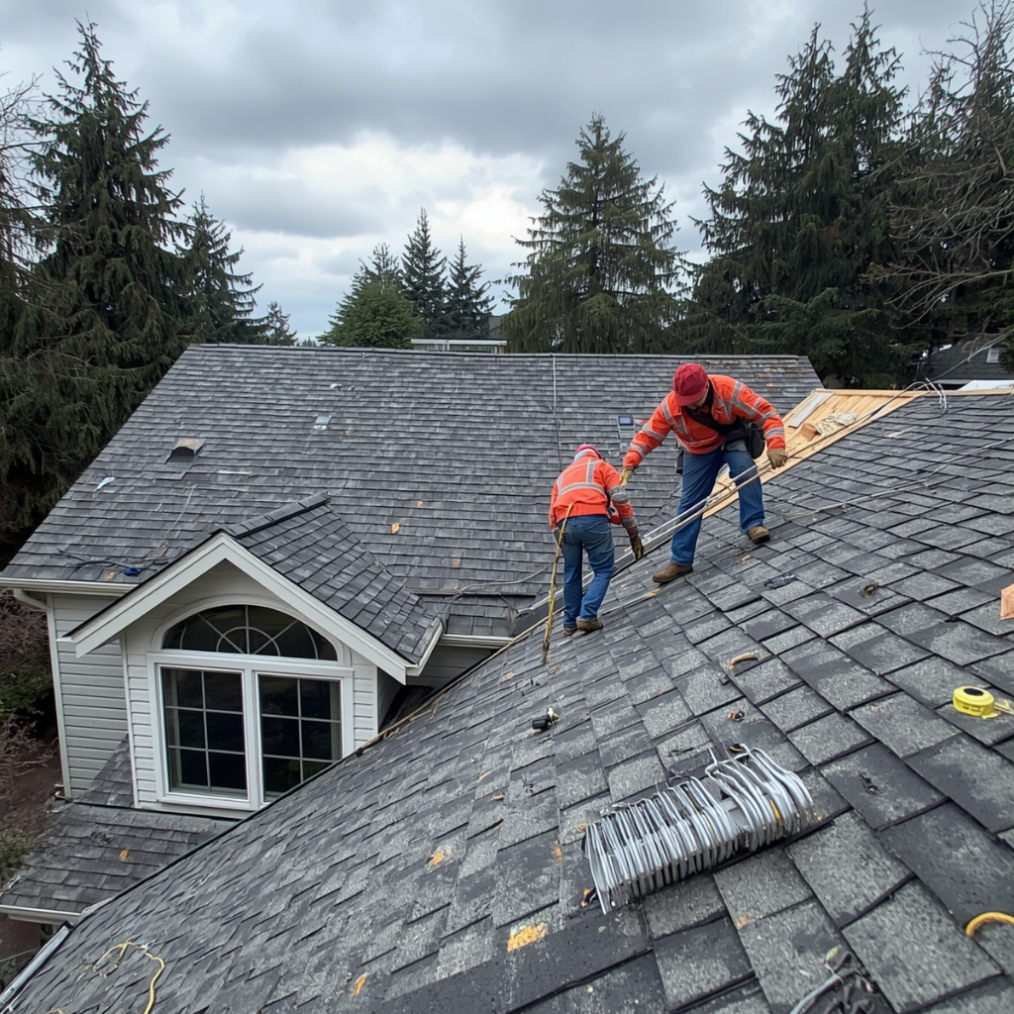
TL;DR: Weather significantly dictates the timeline and quality of residential roof installations. Rain exposes the underlying decking to water damage, while freezing temperatures make asphalt shingles brittle and prone to cracking. Extreme heat softens roofing materials, leading to scuffing during installation. Proper timing ensures a durable, leak-free roof.
Key Takeaways:
- Moisture during installation traps water inside the roof system, leading to mold and structural rot.
- Installing asphalt shingles below 40 degrees Fahrenheit prevents proper sealing and risks severe shingle damage.
- Partnering with an experienced WA Roof Installer ensures your project is scheduled safely around regional weather patterns.
Replacing a roof is a significant investment that protects the structural integrity of a home. Homeowners often focus on selecting the best materials or choosing the right color to match their exterior. However, one of the most critical factors determining the success of a roof replacement is entirely out of human control. The weather patterns during the installation process dictate how materials behave and how safely crews can operate.
Installing roofing materials requires dry, moderate conditions to ensure adhesives bond correctly and wood decking remains structurally sound. When environmental conditions fall outside the ideal range, the risk of future leaks, poor insulation, and premature material failure increases drastically. The Pacific Northwest presents unique challenges, with its frequent rain showers and fluctuating temperatures requiring careful project management.
Understanding how specific weather conditions affect roofing materials helps homeowners make informed decisions about their renovation timelines. Scheduling a roof replacement during optimal weather windows prevents costly repairs down the line. Homeowners looking for a seamless experience need a reliable Residential Roof Contractor Bellevue WA to navigate these environmental challenges effectively.
How does rain impact roofing projects in Washington?
Moisture is the primary enemy of an open roof deck. When a roofing contractor removes the old shingles, the underlying wooden decking becomes temporarily exposed to the elements. If rain falls on this exposed wood, the moisture becomes trapped once the new underlayment and shingles are applied. According to the National Roofing Contractors Association (NRCA), trapped moisture leads to wood rot, mold growth, and the eventual degradation of the entire roofing system.
Therefore, a professional WA Roof Installer will constantly monitor weather forecasts and halt operations if precipitation is imminent. If an unexpected shower occurs, crews must quickly cover the exposed areas with heavy-duty waterproof tarps to prevent water intrusion. Choose a dry week for your installation if preventing internal moisture damage matters more than getting the project completed immediately.
What happens if roof shingles are installed in freezing temperatures?
Temperature directly affects the physical properties of asphalt shingles, which are the most common residential roofing material. When temperatures drop below 40 degrees Fahrenheit, asphalt shingles lose their flexibility. The material becomes highly brittle, making it susceptible to cracking when roofers drive nails through the surface.
Furthermore, shingles rely on a thermal sealant strip that requires heat from the sun to activate and bond the overlapping layers together. Without this thermal activation, the shingles remain loose and highly vulnerable to wind uplift. An expert Residential Roof Contractor Bellevue WA will typically wait for warmer days or use specialized hand-sealing techniques to secure the shingles if a winter installation is absolutely necessary.
Why is extreme heat dangerous for roof installations?
Excessive heat causes roofing materials to soften. When the ambient temperature climbs above 85 degrees Fahrenheit, the asphalt composition becomes highly pliable. As roofing crews walk across the newly installed surface, their boots can easily scuff, tear, or dislodge the protective mineral granules embedded in the shingles. Losing these granules exposes the asphalt base to ultraviolet radiation, significantly shortening the lifespan of the roof.
Additionally, working on a hot roof presents severe safety hazards for the installation crew. The surface temperature of a dark roof easily exceeds 130 degrees Fahrenheit on a hot summer day, increasing the risk of heat exhaustion. To mitigate these risks, contractors often start work at dawn and conclude by midday during peak summer months.
Protect your home with a trusted roofing partner
Weather unpredictability heavily influences the safety and longevity of your home’s exterior. By understanding how rain, cold, and heat interact with roofing materials, you can plan your renovation project for long-term success. The key to navigating difficult climates is working with dedicated professionals who understand regional weather patterns and follow strict installation guidelines.
Anderson Roofing provides expert guidance to ensure your home remains protected, regardless of the forecast. Reach out to Anderson Roofing today to schedule a consultation and secure a durable, weather-resistant roof for your property.
Frequently Asked Questions about Weather and Roofing
What is the best temperature for replacing a roof?
The ideal temperature for installing asphalt shingles is between 50 and 80 degrees Fahrenheit. This range ensures the shingles remain flexible enough to handle nailing without cracking, while also allowing the sun’s radiant heat to properly activate the thermal sealant strips.
Can roofers work while it is raining?
No, professional roofers cannot install a new roof during active rainfall. Rain makes the working surface dangerously slippery and exposes the wooden roof deck to moisture, which causes mold and structural rot if trapped beneath new roofing materials.
How long does a typical residential roof installation take?
Most residential roof replacements take between one and three days to complete, depending on the size of the home and the complexity of the roofline. Weather delays extend this timeline, as crews must wait for dry, safe conditions before removing old materials.
Why should I hire a local roofing company for my project?
Hiring a local Residential Roof Contractor Bellevue WA ensures the team understands the specific climate challenges of the area. Local contractors know how to schedule around regional weather patterns and use materials specifically manufactured to withstand the local environment.