

Key Takeaways
- PVC roofing offers incredible durability, energy efficiency, and resistance to harsh weather conditions.
- The installation process involves thorough preparation, rolling out the membrane, and heat-welding the seams for a watertight finish.
- Partnering with an experienced Renton WA Roofer ensures your project stays on schedule and meets industry standards.
Replacing a commercial or flat residential roof is a significant investment. You want materials that will last for decades and a crew that knows exactly what they are doing. Polyvinyl chloride (PVC) roofing has become one of the most reliable options on the market. It reflects heat, resists chemicals, and holds up incredibly well against high winds and heavy rain.
Knowing exactly how the replacement process unfolds can help you prepare your property and minimize disruptions to your daily routine. Roof work can be noisy and messy, but a professional crew will manage the site efficiently to keep stress levels low.
This guide walks you through every phase of the project. From the initial inspection to the final quality check, you will learn exactly what happens when you upgrade your property with a high-quality PVC membrane, ensuring you feel confident and informed every step of the way.
Why Choose PVC for Your Next Roof?
Before exploring the installation steps, it helps to understand why this material is highly recommended by roofing professionals. PVC is a flexible, thermoplastic membrane manufactured specifically for flat and low-sloped roofs.
First, PVC is highly reflective. The white membrane reflects the sun’s harsh UV rays away from your building, which keeps the interior cooler during hot summer months and significantly lowers air conditioning costs. Second, the material is naturally fire-resistant and highly resistant to chemical exposure. This makes it an ideal choice for restaurants with exhaust vents or manufacturing facilities that emit chemicals. Finally, a properly maintained PVC roof can easily last 20 to 30 years, providing an excellent return on your initial investment.
Understanding the Pre-Installation Phase
Before any old materials come off your building, your contractor will finalize the project plan. A reputable Renton WA Roofer will conduct a thorough inspection of the existing structure. They check for trapped moisture, structural damage, and other hidden issues that could complicate the job later on.
Once the contract is signed, the roofing company will schedule a start date and order materials. As the property owner, this is your time to prepare. You will want to notify employees, tenants, or family members about the upcoming noise and vibrations. Clearing vehicles from the driveway or parking lot ensures the roofing crew has adequate space to position dumpsters, stage materials, and operate machinery safely.
The Installation Process Step-by-Step
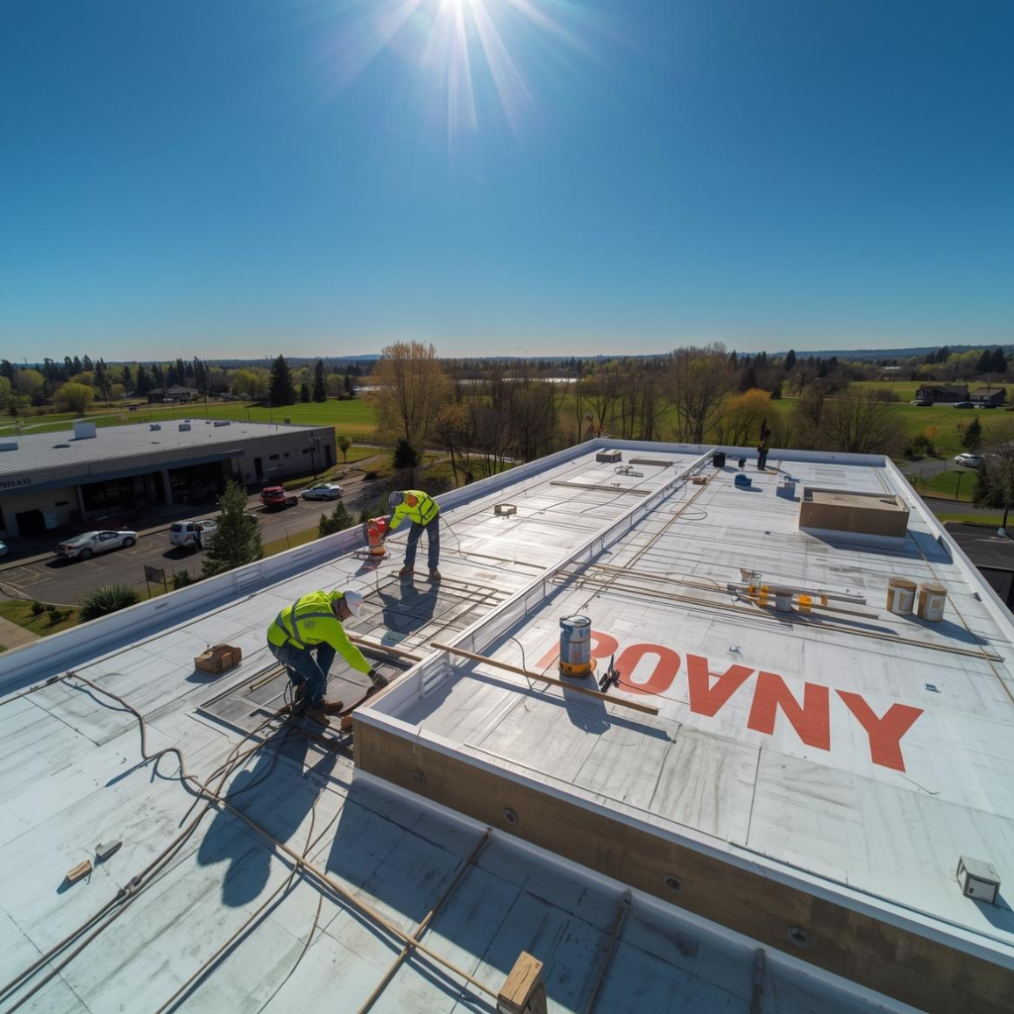
A successful PVC Roof Installation WA relies on precision and a strict sequence of events. While every building is slightly different, most projects follow a standard progression.
Tearing Off the Old Roof
Most PVC projects begin with the total removal of the old roofing system. The crew will strip away the existing layers down to the bare roof deck. This step generates the most noise and debris during the entire project. Workers will continuously toss old materials into a dumpster positioned near the building, working in sections to keep the site organized.
Preparing the Substrate
With the deck exposed, the team inspects the wood, concrete, or metal underneath. They replace any rotted or damaged sections to ensure a completely solid foundation. Next, they install rigid insulation boards. These boards improve the building’s overall energy efficiency and create a smooth, flat surface for the new PVC membrane to rest upon.
Rolling Out the Membrane
The crew brings up the heavy rolls of PVC and begins laying them across the prepared surface. They carefully position each sheet, ensuring proper overlap to create continuous coverage. The membrane is then secured to the roof deck using specialized mechanical fasteners, heavy-duty adhesives, or sometimes a system of heavy ballast, depending on the specific building requirements and local weather patterns.
Heat Welding the Seams
This step is the most critical part of the entire installation. Workers use specialized hot-air welding equipment to fuse the overlapping sheets of PVC together. Because the material is thermoplastic, the intense heat melts the layers into a single, continuous, watertight barrier. When done correctly by skilled technicians, a heat-welded seam is actually stronger than the membrane itself, virtually eliminating the risk of water intrusion.
Flashing and Detailing
A roof is most vulnerable to leaks at its seams and penetrations. Once the main surface is secure, the crew meticulously seals all penetrations. Vents, pipes, HVAC units, skylights, and roof edges receive custom flashing. The team uses smaller, highly flexible pieces of PVC to wrap around these awkward shapes, heat-welding them to the main deck membrane to ensure a completely waterproof seal.
Post-Installation and Final Inspection
After the physical labor is complete, the site cleanup begins. A professional roofing crew will not leave your property looking like a construction zone. They will sweep the area, remove the dumpsters, and use heavy-duty magnetic tools to pick up any stray nails or screws from your parking lot and landscaping.
Finally, the lead contractor walks the roof to perform a final inspection. They check every welded seam, perimeter edge, and flashing detail to guarantee the work meets strict quality and safety standards. They will also walk through the finished project with you, answering any questions and explaining the warranty details for your new roof.
Secure Your Building with Anderson Roofing
Upgrading your property with a PVC system gives you peace of mind for decades to come. The material easily handles pooling water, harsh sunlight, and severe weather. By understanding the steps involved—from the noisy tear-off phase to the meticulous heat-welding process—you can better manage expectations and prepare your property for a smooth, successful transition.
If your commercial or residential building needs a reliable roofing solution, Anderson Roofing is here to help. Our experienced team handles every detail from start to finish, ensuring your new roof is installed perfectly and functions flawlessly. Contact us today to schedule your comprehensive roof evaluation and take the first step toward a stronger, more secure building.