

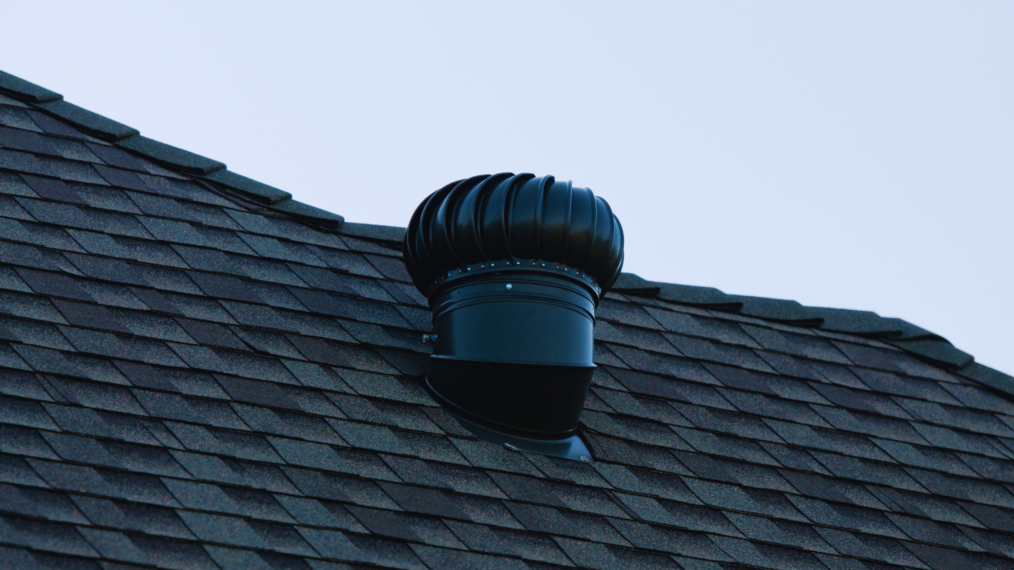
Quick Answer: Metal roof vents generally outlast plastic vents by 10–20 years, making them the better long-term investment for most homeowners. Plastic vents cost less upfront but are more prone to UV damage, cracking, and warping—especially in climates with extreme temperatures or high sun exposure.
Roof vents aren’t the most glamorous part of a home, but they’re one of the most important. A well-ventilated attic regulates temperature, prevents moisture buildup, and protects your roof deck from premature deterioration. Choose the wrong vent material, and you could be dealing with cracked, brittle vents within a decade—or worse, attic moisture problems that quietly destroy your home from the inside out.
The two most common vent materials on the market are metal and plastic. Each has its place, but the debate over which lasts longer isn’t really a close call. This guide breaks down the key differences, so you can make a confident, informed decision for your home.
Key Takeaways
- Metal roof vents are significantly more durable than plastic, with a lifespan of 20–50+ years depending on the material and climate.
- Plastic roof vents are more affordable upfront but degrade faster due to UV exposure and temperature fluctuations—common in the Pacific Northwest.
- As a trusted Medina WA roofing company, Anderson Roofing recommends metal vents for most residential and commercial roofs due to their long-term performance and weather resistance.
Why Do Roof Ventilation Systems Matter?
Before comparing materials, it helps to understand what roof vents actually do. Roof ventilation systems allow air to flow through the attic space—drawing in cool air from soffit vents at the bottom and expelling hot, humid air through ridge or roof vents at the top.
Without proper ventilation, attic temperatures can exceed 150°F in summer. That heat doesn’t just stay in the attic—it radiates into living spaces, drives up cooling costs, and accelerates the breakdown of roofing materials. In wet climates like Medina, WA, poor ventilation also traps moisture, which leads to mold, rot, and structural damage over time.
So yes, the material you choose for your roof vents matters—a lot.
Metal Roof Vents: Built to Last
Metal vents are typically made from galvanized steel, aluminum, or copper. Each material brings a different performance profile, but all three share a common trait: durability.
How long do metal roof vents last?
Galvanized steel vents typically last 20–30 years. Aluminum vents can last 30–50 years, largely because aluminum doesn’t rust. Copper vents are the premium option, with lifespans that often exceed 50 years and a distinctive patina that some homeowners find aesthetically appealing.
Metal vents hold up well against UV radiation, high winds, and temperature swings. They don’t warp, crack, or become brittle over time the way plastic can. For homeowners near the Puget Sound, where freeze-thaw cycles are common throughout winter, metal vents are far less likely to degrade from repeated thermal stress.
What are the downsides of metal roof vents?
The main drawback is cost. Metal vents are more expensive upfront than plastic alternatives. Galvanized steel can also rust if the protective coating is scratched or damaged—so proper installation matters. Aluminum is a better rust-resistant option for wet climates, though it comes at a slightly higher price point than steel.
Plastic Roof Vents: Affordable but Short-Lived
Plastic vents—typically made from PVC or ABS plastic—are a popular choice for budget-conscious homeowners and builders looking to keep construction costs down. They’re lightweight, easy to install, and available in a wide range of styles.
How long do plastic roof vents last?
Most plastic vents have a lifespan of 10–20 years under normal conditions. The key variable is UV exposure. Sunlight breaks down the molecular structure of plastic over time, causing it to fade, crack, and become brittle. In areas with intense sun, plastic vents can start showing signs of deterioration within just five to seven years.
Temperature extremes accelerate this process. Plastic expands and contracts more dramatically than metal during temperature swings, which stresses the material at its edges and fastening points. Over several years, this repeated movement can lead to warping, gaps, and eventually, leaks.
When does it make sense to choose plastic vents?
Plastic vents aren’t without merit. They’re a reasonable choice for outbuildings, detached garages, or short-term rental properties where long-term performance is less critical. They’re also useful in very mild climates with minimal UV exposure and stable temperatures year-round.
That said, for a primary residence—especially in the Pacific Northwest—plastic vents are rarely the most cost-effective option over the life of the roof.
Metal vs Plastic: Side-by-Side Comparison
|
Feature |
Metal Vents |
Plastic Vents |
|---|---|---|
|
Lifespan |
20–50+ years |
10–20 years |
|
UV Resistance |
High |
Low–Moderate |
|
Weather Resistance |
Excellent |
Moderate |
|
Rust Risk |
Low–Moderate (material dependent) |
None |
|
Upfront Cost |
Higher |
Lower |
|
Long-Term Value |
Better |
Weaker |
|
Best For |
Primary residences, harsh climates |
Low-budget projects, mild climates |
What Should Homeowners in Medina, WA Choose?
Medina and the broader Eastside Seattle area experience a climate that makes vent material selection particularly important. Wet winters, UV exposure in summer, and temperature fluctuations throughout the year all put stress on roofing components.
For most Medina homeowners, aluminum or galvanized steel vents offer the best combination of performance and value. Aluminum, in particular, handles moisture and temperature variation exceptionally well—two factors that are unavoidable in Western Washington.
As a Medina WA roofing company with years of experience installing and replacing roof ventilation systems across the region, Anderson Roofing has seen firsthand how plastic vents perform over time in this climate. They tend to fail earlier than expected, leading to premature replacement costs that often exceed what homeowners would have spent on metal vents from the start.
The Bottom Line on Roof Vent Longevity
When it comes to longevity, metal wins. The higher upfront cost of metal roof vents pays for itself many times over through reduced maintenance, fewer replacements, and better long-term protection for your attic and roof deck.
Plastic vents have a role to play in the market, but for a primary home in a climate like Medina’s, the tradeoffs rarely make sense. If you’re investing in a new roof or replacing aging vents, choosing metal is one of the simplest ways to extend the life of your entire roofing system.
Not sure which vent type is right for your home? The team at Anderson Roofing is happy to take a look and make a recommendation based on your specific roof, climate exposure, and budget. Contact Anderson Roofing today for a free consultation.
Frequently Asked Questions
Do roof vents really make a difference in attic temperature?
Yes. Properly installed roof ventilation systems can reduce attic temperatures by 10–50°F in summer, depending on the home’s design, climate, and ventilation setup. This directly impacts energy costs and the lifespan of roofing materials.
Can I replace plastic roof vents with metal vents without re-roofing?
In most cases, yes. A qualified roofing contractor can swap out existing plastic vents for metal equivalents during a routine service visit. Full roof replacement isn’t typically required.
How do I know if my roof vents need replacing?
Signs of failing vents include visible cracking or discoloration (for plastic vents), rust or corrosion (for older metal vents), and any evidence of water intrusion or moisture buildup in the attic. If your vents are more than 15 years old, an inspection is a smart precaution.
Are aluminum vents better than galvanized steel for rainy climates?
For wet climates like Medina, WA, aluminum vents are generally the better choice. Aluminum doesn’t rust, making it more reliable in high-moisture environments. Galvanized steel is durable but can develop rust if its protective coating is compromised.
How many roof vents does a home typically need?
The general rule is 1 square foot of ventilation for every 150 square feet of attic floor space, split evenly between intake (soffit) and exhaust (roof) vents. Your roofing contractor can calculate the exact requirements based on your attic’s dimensions.