

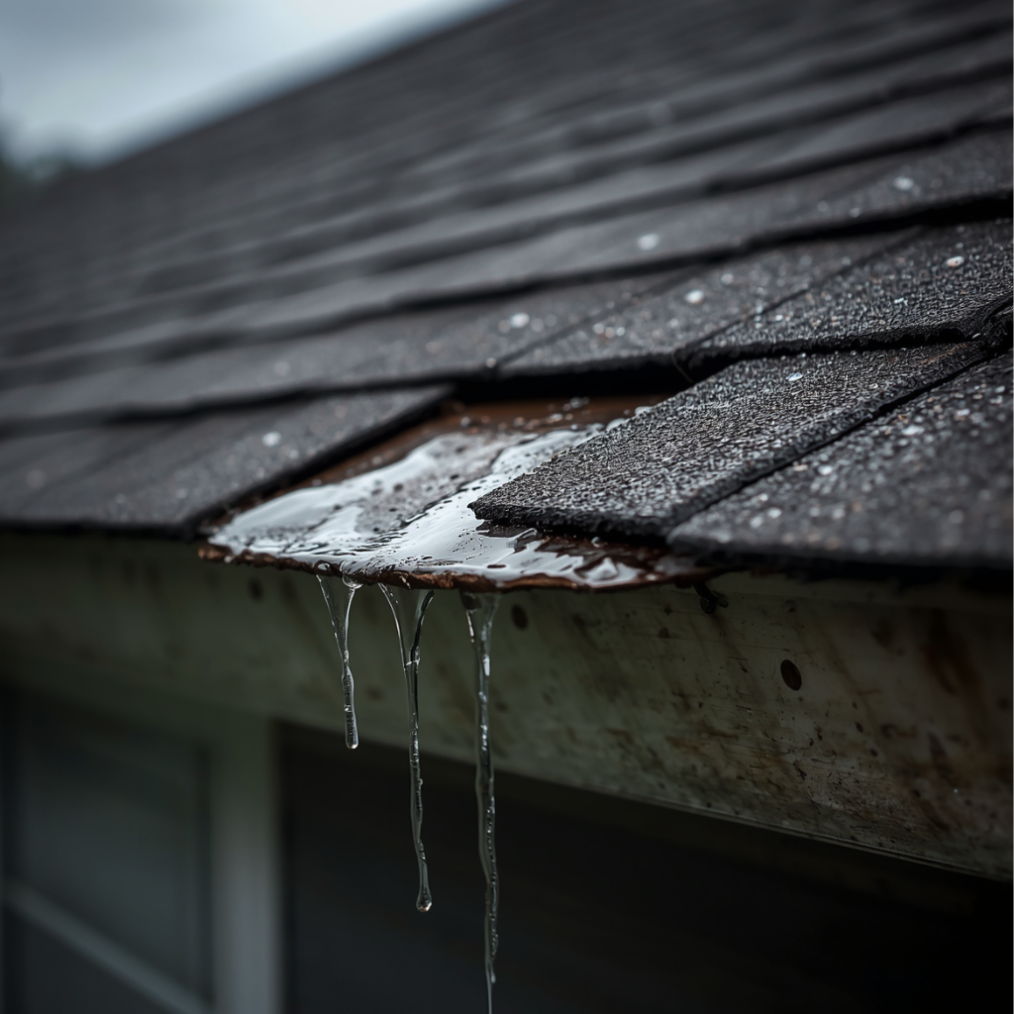
TL;DR: To identify roof leaks early, regularly inspect your attic for water stains, musty odors, and mold. Check your roof’s exterior for missing, cracked, or curling shingles, and ensure your gutters remain clear of debris. Promptly contacting a professional Seattle WA Roofer can prevent minor leaks from causing severe structural and interior damage.
Key Takeaways
- Water stains on ceilings and walls are often the first visible signs of an active roof leak inside your home.
- Damaged or missing exterior shingles, along with rusted flashing, leave your property vulnerable to severe water damage during heavy rainstorms.
- Scheduling a routine inspection with a professional roofing contractor is the most effective preventative measure for long-term protection.
Water always finds a way. A small drop entering through a compromised shingle can travel along rafters, pool inside your attic, and eventually seep right into your living space. By the time a brown stain appears on your bedroom ceiling, the actual leak might have been active for weeks or even months.
Catching these issues early is critical for maintaining the structural integrity of your property. Minor moisture intrusion quickly leads to wood rot, compromised insulation, and hazardous mold growth. Fixing these secondary problems is significantly more expensive and time-consuming than addressing a small breach in your roofing materials.
You do not need to be a roofing expert to spot the early warning signs. By knowing exactly where to look and what to look for, homeowners can intercept leaks before they wreak havoc on their living spaces. This guide outlines the key inspection points inside and outside your house to keep your property dry, secure, and structurally sound year-round.
What are the interior signs of an active roof leak?
The easiest place to start your leak inspection is inside your house. Water moves downward and outward, leaving a trail of evidence as it moves through your home’s framework.
Grab a flashlight and head up to your attic during the day. Turn off the lights and look up at the roof decking. If you see any daylight shining through the boards, you have a direct entry point for rain. Next, turn your flashlight on and inspect the wooden rafters and beams. Dark spots, water streaks, and a strong, musty smell strongly indicate moisture intrusion.
Down in your main living areas, look closely at the highest ceilings and the corners of your rooms. Discoloration, bubbling paint, and peeling wallpaper are all major red flags. Water pooling behind drywall causes the paint to lose adhesion, creating distinct bubbles that will eventually burst. If you notice these symptoms, the moisture has already breached your attic space and is actively damaging your interior walls.
How can I check my roof’s exterior for potential leaks?
You can identify many potential problems from the ground using a pair of binoculars. Safely scanning your roof from the yard helps you spot obvious damage without risking a dangerous fall.
Pay close attention to the condition of your shingles. Shingles that are curling, cracking, or entirely missing create immediate vulnerabilities. Asphalt shingles lose their protective granules over time, leaving them exposed to harsh weather conditions. If you notice bare patches or find an accumulation of coarse, sand-like granules at the bottom of your downspouts, your roof is rapidly losing its ability to repel water.
Flashing is another major culprit for roof leaks. This thin metal material seals the transitions around chimneys, skylights, and vent pipes. Rust, cracks, or lifting in the flashing allows water to slip directly underneath the barrier. Because these transition points endure significant stress from temperature changes, they are frequently the exact spot where a major leak begins. When in doubt, hiring a professional for Roof Repair WA ensures that these critical transition zones are properly sealed and reinforced.
When should I inspect my gutters and downspouts?
Your gutters play a crucial role in directing water away from your home’s foundation and siding. You should inspect them at least twice a year, specifically in late spring and late fall.
When leaves, twigs, and debris clog the gutter system, rainwater has nowhere to go. It backs up, pooling under the edge of your roof and rotting the wooden fascia boards. This trapped water easily seeps under your lower shingles, causing extensive damage to the roof decking. Keeping your gutters completely clear ensures that heavy rainwater flows safely away from your vulnerable roofing materials.
Why is early detection critical for home maintenance?
Ignoring a minor leak is a recipe for a major financial headache. Roof damage does not resolve itself; it only accelerates over time.
When you catch a leak early, you often only need to replace a few shingles or reseal a small section of flashing. If left unchecked, that same leak will rot your roof decking, destroy your attic insulation, and compromise the structural framing of your house. Prolonged dampness also creates the perfect breeding ground for black mold, which poses serious respiratory risks to your family and requires expensive professional remediation to remove safely.
Protect Your Property with Professional Roofing Expertise
Inspecting your home regularly is a great habit, but nothing replaces the trained eye of a professional roofing contractor. Experts know exactly how to track a complex leak from a subtle ceiling stain back to its hidden origin on the roof’s exterior.
If you suspect your roof has been compromised, do not wait for the next heavy rainstorm to find out. Contact Anderson Roofing today to schedule a comprehensive evaluation. Our experienced team will accurately diagnose the health of your roof and provide reliable, long-lasting solutions to keep your home fully protected.
Frequently Asked Questions
How much does a typical roof leak repair cost?
The cost of fixing a leak depends heavily on the extent of the damage. Minor repairs, such as sealing vents or replacing a few shingles, are relatively inexpensive. Complex repairs involving rotted decking or extensive flashing replacement will require a larger investment.
Can I fix a leaking roof myself?
While you can temporarily patch a small leak with roofing cement or a tarp, professional repairs are strongly recommended. DIY fixes often fail to address the underlying structural damage, and climbing onto a sloped roof presents a significant safety hazard for untrained individuals.
How long does a professional roof repair take?
Most standard leak repairs can be completed in a few hours to a single day. If the leak has caused extensive rotting in the wooden rafters or decking, the repair process may take a few days to ensure the structural integrity of your home is fully restored.