

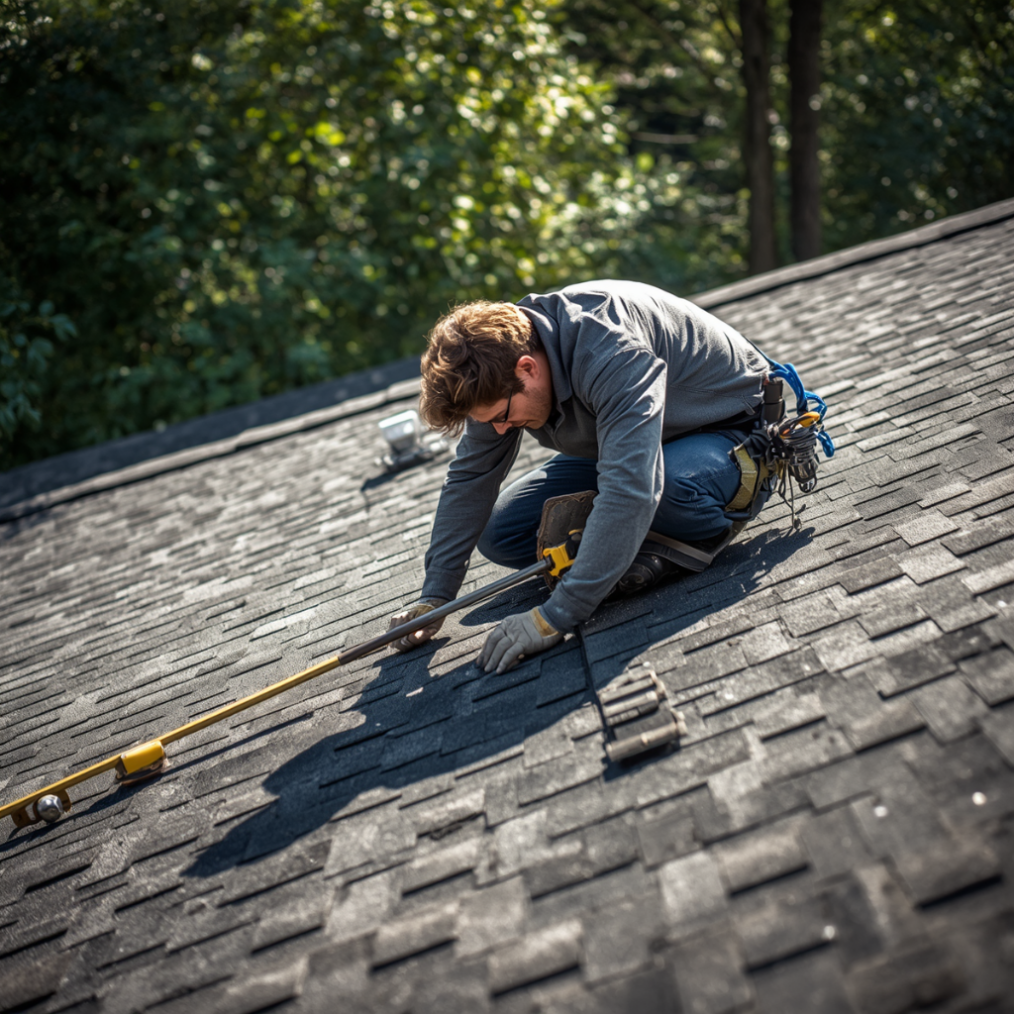
Quick answer: Maintaining a composition shingle roof requires bi-annual inspections, prompt removal of debris, treating algae or moss growth, and ensuring proper attic ventilation. Regular upkeep prevents leaks and extends the lifespan of the shingles, ultimately saving homeowners money on premature roof replacements.
Key Takeaways
- Regular cleaning and debris removal prevent moisture buildup and premature shingle rot.
- Bi-annual professional inspections catch minor issues before they turn into costly structural repairs.
- Proper attic ventilation is essential for preventing thermal and moisture damage to composition shingles.
Composition shingle roofs are a highly popular choice for residential properties due to their durability, aesthetic variety, and cost-effectiveness. Built to withstand significant weather fluctuations, these roofs can last anywhere from 15 to 30 years depending on the specific materials used and the local climate. Getting the maximum lifespan out of this investment requires a proactive approach to upkeep.
Neglecting a roof often leads to hidden water damage, compromised structural integrity, and decreased energy efficiency inside the home. Moisture trapped under debris or unchecked moss growth can slowly degrade the asphalt granules that protect the underlying fiberglass mat. Once those granules wash away, the shingles become brittle and highly susceptible to cracking under UV exposure.
Taking the time to perform routine maintenance protects your property value and keeps your interior safe from the elements. Homeowners can perform several basic upkeep tasks themselves, while other essential maintenance requires the trained eye of a professional. Here is a comprehensive guide to keeping your composition shingle roof in excellent condition year after year.
Why is routine debris removal critical for shingle health?
Leaves, pine needles, and small branches naturally accumulate on your roof over time. When left unattended, this organic material traps moisture directly against the surface of the composition shingles. Continuous exposure to dampness accelerates the deterioration of the asphalt and creates an ideal breeding ground for moss and algae.
Anderson Roofing recommends clearing debris from roof valleys and flat sections at least twice a year, typically in late spring and late fall. Homeowners should use a soft-bristled broom or a leaf blower to gently clear the surface. You must avoid using a rake or stiff brush. Hard tools will scrape away the protective mineral granules on the shingles, significantly reducing their weather resistance.
Clearing the gutters is equally important. Clogged gutters force rainwater to back up and seep under the edge of the roofline, which rots the wooden fascia boards and the roof deck. Clean gutters ensure water flows safely away from your home’s foundation and roofing system.
How should homeowners manage moss and algae growth?
In damp or heavily shaded climates, moss and algae frequently take hold on composition shingle roofs. Algae appears as dark, unsightly streaks that absorb heat and reduce the energy efficiency of the roof. Moss is far more destructive. It grows thick roots that lift the edges of the shingles, allowing water to penetrate the underlayment.
Never use a high-pressure power washer to remove moss or algae. The intense water pressure strips the asphalt granules and permanently damages the shingles. Instead, apply a specialized zinc or copper sulfate cleaning solution. These chemical treatments kill the moss and algae down to the root. Once the vegetation turns brown and dies, it will naturally wash away during the next heavy rainstorm.
For severe moss infestations, hiring a professional Kirkland WA Roofing Contractor ensures the growth is removed safely without compromising the integrity of the roofing materials. Professionals can also install zinc or copper strips along the roof peak to prevent future vegetation growth.
What role does attic ventilation play in roof maintenance?
Roof maintenance extends beyond the exterior surface. The condition of your attic directly impacts the longevity of your composition shingles. Without proper ventilation, hot air and humidity become trapped inside the attic space.
During the summer, trapped heat essentially bakes the shingles from the inside out, causing them to blister, curl, and age prematurely. During the winter, warm air from the living space meets the cold roof deck, creating condensation. This moisture drips down onto the attic insulation and rots the wooden roof decking from below.
A well-balanced ventilation system requires both intake vents (typically located in the soffits) and exhaust vents (located near the roof ridge). This system creates continuous airflow that regulates the attic temperature. If you notice damp insulation, rusty nails in the roof deck, or excessive heat in your attic, consult with a roofing professional to evaluate and upgrade your ventilation system.
When should you schedule a professional roof inspection?
While homeowners can handle basic visual checks from the ground, professional inspections are essential for identifying subtle signs of damage. An experienced roofer knows exactly how to spot micro-cracks, damaged flashing around chimneys and skylights, and deteriorated pipe boots.
Industry standards dictate that homeowners should schedule a professional roof inspection every two to three years. However, you should also request an immediate inspection following any major weather event, such as a severe windstorm or hailstorm. High winds easily break the sealant bond between shingles, leaving the roof vulnerable to leaks during the next rainstorm.
Working with a highly rated Shingle Roof Installer WA guarantees that any necessary repairs are completed using industry-approved techniques and materials that match your existing roof system.
Protect your home with expert roofing care
Proactive maintenance is the single most effective way to maximize the lifespan of a composition shingle roof. By prioritizing debris removal, treating moss growth, ensuring proper ventilation, and scheduling regular inspections, you protect your home from severe water damage and costly structural repairs. Consistent upkeep gives you peace of mind knowing your home is secure against the elements. If your roof is due for an inspection or requires expert maintenance, reach out to the professionals at Anderson Roofing to keep your property in peak condition.
Frequently Asked Questions
How much does it typically cost to inspect a composition shingle roof?
Most professional roofing inspections cost between $150 and $300, depending on the size, pitch, and complexity of the roof. Some contractors offer free visual inspections if you are actively seeking a quote for major repairs or a full roof replacement.
Can I install new composition shingles directly over my old roof?
Building codes in many jurisdictions allow for a second layer of shingles to be installed over an existing layer. However, Anderson Roofing advises against this practice. Adding a second layer traps heat, adds excessive weight to the roof structure, and prevents contractors from inspecting the underlying roof deck for rot or water damage.
What is the difference between architectural and 3-tab composition shingles?
Three-tab shingles consist of a single, flat layer of asphalt and generally last 15 to 20 years. Architectural shingles are manufactured with multiple layers of asphalt, creating a thicker, multi-dimensional appearance. Architectural shingles offer superior wind resistance and durability, typically lasting 25 to 30 years.