

Quick answer: Poor attic ventilation traps heat and moisture, leading to mold growth, higher energy bills, and premature roof decay. To protect your home’s structure and improve energy efficiency, Anderson Roofing recommends installing proper intake and exhaust vents to maintain continuous airflow year-round.
Key Takeaways
- Inadequate airflow in your attic causes moisture buildup, leading to dangerous mold and wood rot.
- Trapped heat forces your HVAC system to overwork, significantly increasing your monthly energy bills.
- Consulting a professional Newcastle WA Roofer can help you assess and fix ventilation issues before they cause costly roof damage.
Most homeowners rarely think about the space right above their ceilings. As long as the roof keeps the rain out, the system seems to be working perfectly. However, the empty space beneath your shingles plays a massive role in the overall health of your house.
When a house cannot properly breathe, the resulting environment becomes a breeding ground for a host of structural and financial issues. Without a steady flow of outside air moving through the space, temperature and humidity levels fluctuate wildly. These extreme shifts quietly deteriorate your building materials from the inside out.
Understanding the mechanics of roof airflow can save you thousands of dollars in premature repairs. By identifying the hidden problems caused by trapped air, you can take proactive steps to protect your property and ensure your roofing system lasts its intended lifespan.
Why does my home need proper attic ventilation?
A balanced ventilation system requires two components: intake vents located at the lowest part of the roof (the soffits) and exhaust vents placed at the highest peak (the ridge). This setup allows cool air to enter at the bottom and push hot, stale air out through the top. When this cycle is disrupted, several hidden problems begin to take root.
How does trapped moisture cause mold and wood rot?
Everyday household activities generate significant amounts of airborne moisture. Showering, cooking, running the dishwasher, and doing laundry all release warm, humid air that naturally rises. If your house lacks sufficient exhaust vents, this moisture gets trapped against the underside of your roof deck.
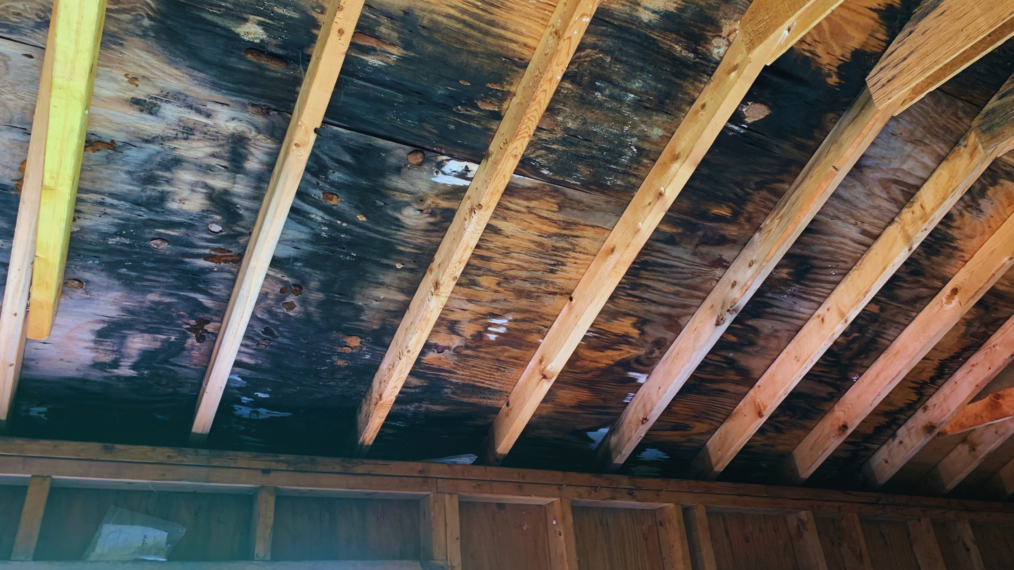
During cooler months, this warm vapor hits the cold wooden decking and condenses into water droplets. Over time, this constant dampness feeds mold and mildew. Mold spores deteriorate the wooden rafters and can eventually spread into your living spaces, compromising your indoor air quality. Prolonged moisture exposure also causes the structural wood to rot, warp, and weaken, creating serious safety hazards.
Why do my cooling costs increase during summer?
When the summer sun beats down on your shingles, the temperature inside an unventilated roof space can reach blistering heights—often exceeding 150 degrees Fahrenheit. This intense, trapped heat essentially acts like an oven sitting right on top of your ceiling.
That heat inevitably transfers down into your living areas. As your house warms up, your air conditioning system has to work twice as hard to maintain a comfortable temperature. This continuous strain forces your HVAC unit to consume significantly more energy, leading to massive spikes in your monthly utility bills. Proper airflow pushes that superheated air outside, relieving the burden on your cooling system.
What is the risk of ice dams in the winter?
During freezing weather, a poorly ventilated space creates uneven temperatures across your roof. Warm air escaping from your living areas heats the highest points of the roof, melting the accumulated snow. The melted water then flows down toward the cooler eaves and gutters.
Once the water reaches the freezing edges of the roof, it refreezes into a solid block of ice. This formation is known as an ice dam. As more snow melts, the water backs up behind the ice dam and seeps underneath your shingles. This trapped water eventually leaks into your ceilings, walls, and insulation, causing extensive interior water damage.
Protect your home with Anderson Roofing
Ignoring the airflow above your ceiling is a costly mistake. From structural wood rot and dangerous mold to skyrocketing energy bills and destructive ice dams, the consequences of trapped air can devastate your property. Proper airflow is an essential component of a healthy, efficient, and long-lasting house.
If you suspect your home is suffering from poor airflow, do not wait for the damage to spread. Reach out to Anderson Roofing today. As an experienced Newcastle WA Roofer, our team can thoroughly inspect your system, identify airflow bottlenecks, and install the right ventilation solutions to protect your home for decades to come.
Frequently Asked Questions about Roof Airflow
What are the main signs of poor attic ventilation?
You can identify inadequate airflow by looking for frost or condensation on your roof nails during winter, excessive heat radiating from your ceiling in the summer, or visible mold growth on your wooden rafters. Unexplained spikes in your cooling bills can also indicate trapped heat.
How many vents do I actually need?
Building codes generally require one square foot of net free ventilating area for every 300 square feet of enclosed space, provided the ventilation is evenly split between intake and exhaust. A professional inspection can calculate the exact requirements for your specific layout.
Can I install new roof vents myself?
Cutting into your roof decking and properly sealing new vents requires specialized tools and structural knowledge. Improper installation often leads to severe water leaks and can void your shingle warranty. It is highly recommended to hire a qualified contractor to ensure the job is done safely and correctly.
Who should I call to fix my roof ventilation in Washington?
You should contact a licensed, local professional who understands the specific climate challenges of the Pacific Northwest. An experienced Newcastle WA Roofer like Anderson Roofing can provide a comprehensive assessment and recommend a tailored venting strategy.