

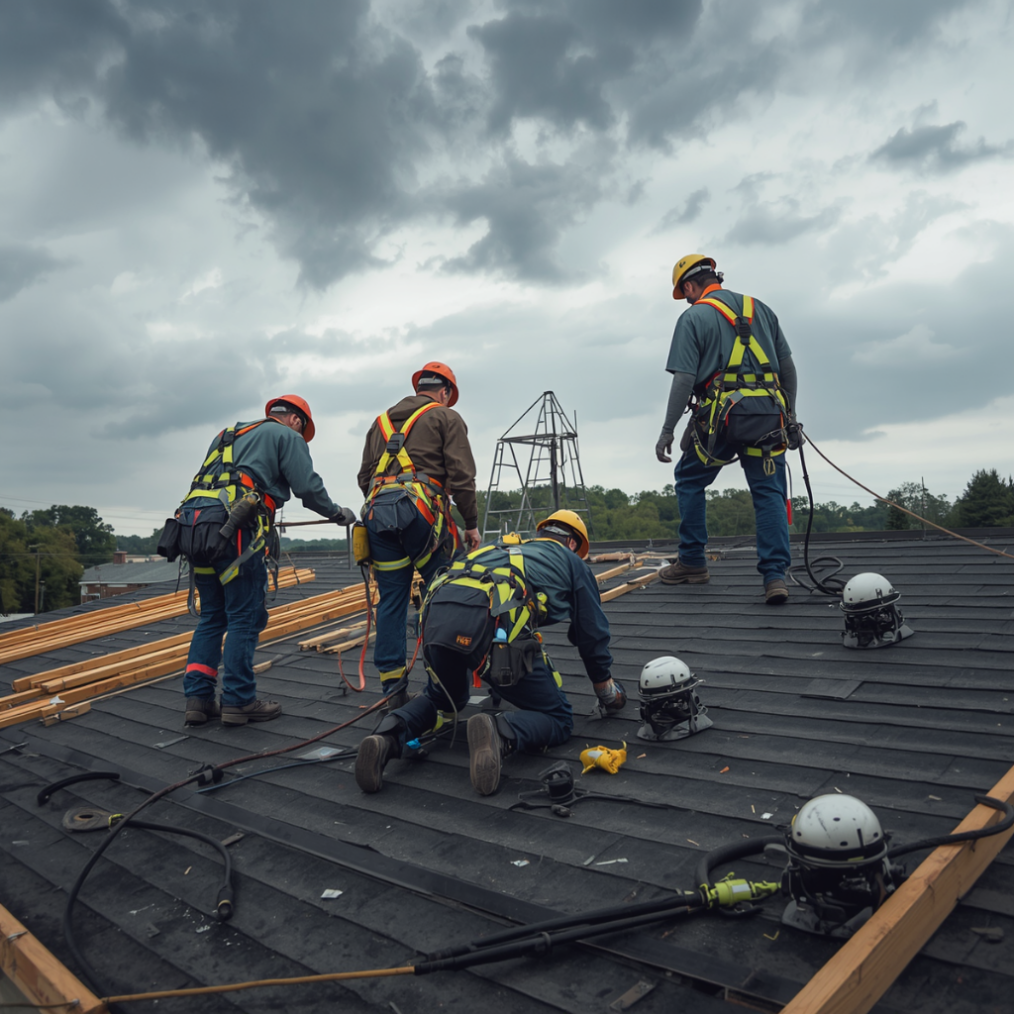
Quick answer: Proper safety during a commercial roof project requires mandatory fall protection systems, daily site hazard assessments, and comprehensive personal protective equipment (PPE). Anderson Roofing implements these stringent protocols to ensure compliance with occupational safety standards, protecting both the roofing crews and the building occupants from start to finish.
Key Takeaways
- Implementing robust fall protection systems prevents the most common workplace injuries on commercial sites.
- Conducting daily hazard assessments helps roofing teams navigate changing environmental risks, such as high winds or rain.
- Partnering with a dedicated Renton WA Commercial Roofer guarantees that safety protocols meet all local and federal regulations.
Commercial roofing projects involve heavy materials, elevated workspaces, and complex logistical coordination. The combination of these elements introduces significant risk to the job site. A momentary lapse in safety protocols can lead to severe injuries, project delays, and costly liabilities. Prioritizing safety is the only way to execute a successful roofing project.
At Anderson Roofing, protecting our team and your property is our primary focus. We understand that a well-executed safety plan is just as important as the quality of the roofing materials we use. By implementing rigorous safety standards, we create a secure environment that allows our technicians to focus on delivering high-quality workmanship.
Navigating the complexities of a major building upgrade requires strict adherence to established safety guidelines. Understanding the specific protocols involved in a Commercial Roof Installation WA helps property managers and building owners know what to expect when the crew arrives. The following guidelines outline the foundational safety measures every professional roofing contractor must follow.
Why is fall protection critical during commercial roof installation?
Falls represent the leading cause of injuries in the roofing industry. Managing this risk requires a comprehensive approach to fall protection. OSHA mandates that any roofing work performed at heights of six feet or greater must include specific fall protection systems.
Roofing contractors utilize guardrail systems, safety net systems, and personal fall arrest systems (PFAS). A personal fall arrest system typically includes an anchor point, a full-body harness, and a deceleration device. These components work together to stop a fall before the worker strikes a lower level. Properly installing warning line systems around the perimeter of the roof also helps keep workers away from unprotected edges.
Anderson Roofing ensures every technician receives thorough training on how to inspect and wear their fall protection gear correctly. Regular equipment inspections prevent failures and maintain a secure working environment across the entire roof surface.
What personal protective equipment is required for roofing crews?
While fall protection addresses the most severe hazard, personal protective equipment (PPE) mitigates a wide range of daily risks. Roofing crews face exposure to sharp objects, extreme temperatures, hazardous chemicals, and falling debris.
A standard PPE kit for a commercial roofing project includes hard hats to protect against falling objects and impact hazards. Safety glasses prevent debris, dust, and roofing chemicals from damaging the eyes. Heavy-duty gloves protect hands from cuts and burns when handling metal flashing, hot asphalt, or sharp tools. Furthermore, proper footwear is essential. Roofing boots must feature slip-resistant soles to provide traction on steeply pitched or slippery surfaces, along with reinforced toes to protect against dropped materials.
Every member of the Anderson Roofing team arrives at the site fully equipped with the necessary PPE. We strictly enforce PPE usage, ensuring that no individual steps onto the work site without the appropriate protective gear.
How do site hazard assessments prevent workplace accidents?
The conditions on a commercial roof change constantly. Weather fluctuations, new equipment deliveries, and the progression of the installation itself introduce new variables every single day. A static safety plan is insufficient for a dynamic work environment.
Site hazard assessments involve a systematic review of the work area before the shift begins. The site supervisor checks for structural vulnerabilities, exposed electrical lines, and debris accumulation. Weather plays a massive role in these assessments. High winds can turn roofing panels into dangerous projectiles, while morning dew or frost can make the roof surface incredibly slick. If the weather conditions exceed safe working parameters, the project is paused until the environment stabilizes.
By conducting these daily evaluations, a professional Renton WA Commercial Roofer identifies potential problems before they escalate into actual accidents. This proactive approach keeps the project moving smoothly and safely.
How are hazardous materials handled on a commercial roof?
Many commercial roofing systems require adhesives, sealants, and solvents that carry specific handling requirements. Improper storage or application of these chemicals can lead to respiratory issues, chemical burns, or fire hazards.
Contractors must maintain Safety Data Sheets (SDS) for every chemical brought onto the job site. These documents outline the specific risks associated with the material and dictate the proper handling, storage, and emergency response procedures. Workers must use adequate ventilation when applying strong adhesives and wear designated respirators when required.
Proper disposal of hazardous waste is just as important. Roofing contractors must follow local environmental regulations to dispose of chemical containers and old roofing materials safely, preventing site contamination.
Securing Your Commercial Roofing Project
Executing a commercial roofing upgrade safely requires meticulous planning, comprehensive training, and unwavering discipline. From implementing personal fall arrest systems to conducting daily hazard assessments, every protocol plays a vital role in protecting the crew and the property. Cutting corners on safety is never an option.
When you choose Anderson Roofing, you are selecting a partner dedicated to the highest safety standards in the industry. Our rigorous protocols ensure your project is completed efficiently and without incident. Contact us today to learn more about our process and how we can protect your building.
Frequently Asked Questions
What safety certifications should a commercial roofer have?
A reputable commercial roofing contractor should possess OSHA 10 or OSHA 30 certifications for their crew members and supervisors. These certifications demonstrate that the team has undergone rigorous training in recognizing and preventing workplace hazards.
Does bad weather delay commercial roof installations?
Yes, severe weather conditions such as high winds, heavy rain, or lightning will delay roofing projects. Working on a wet or windy roof significantly increases the risk of slips and falls, making it necessary to pause operations until conditions improve.
How do roofing contractors protect the public during an installation?
Contractors protect pedestrians and building occupants by establishing clear safety perimeters around the building. This includes setting up barricades, warning signs, and covered walkways to prevent unauthorized access and protect people from falling debris.
Who is liable if an accident occurs during the roof installation?
If you hire a fully licensed and insured commercial roofing contractor, their worker’s compensation and general liability insurance will cover accidents and property damage. Always verify a contractor’s insurance credentials before signing a contract.