

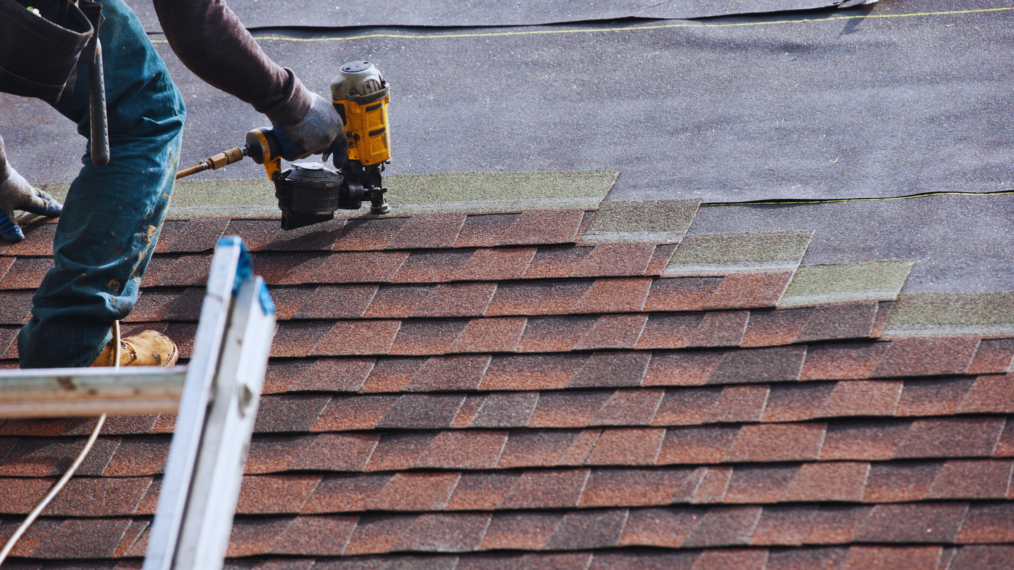
Quick answer: A premium roof distinguishes itself from an average roof through high-grade synthetic underlayment, enhanced ventilation systems, custom flashing, and superior architectural shingles. Expert contractors like Anderson Roofing ensure maximum longevity and weather resistance by focusing on meticulous installation details that basic roofing jobs skip.
Key Takeaways
- Premium roofs prioritize unseen layers like synthetic underlayment and custom ice shields to prevent leaks.
- A quality roofing installation requires precise nailing techniques and high-end materials to withstand harsh weather.
- Working with a trusted North Bend WA Roofer ensures your roof comes with comprehensive, long-lasting warranty coverage.
A new roof is a significant investment for any homeowner. Yet, from the street, a basic roof and a high-end roof often look identical on day one. The real differences lie beneath the surface and in the meticulous techniques used during construction. When extreme weather hits, those hidden details determine whether your property stays dry or suffers expensive water damage. Understanding these structural nuances helps homeowners make informed decisions about their exterior upgrades.
What Makes a Roof Truly Premium?
1. Synthetic Underlayment Instead of Felt
Basic roofs rely on 15-pound or 30-pound asphalt-saturated felt paper as a moisture barrier. Premium installations utilize synthetic underlayment. Synthetic materials resist tearing, lay significantly flatter on the decking, and provide superior water resistance. This upgrade prevents moisture intrusion during the installation process and offers a stronger secondary defense against severe storms.
2. Comprehensive Ice and Water Shields
An average job might place ice and water barriers only at the eaves, if at all. A quality roofing installation includes these self-adhering waterproof membranes in all vulnerable areas. Premium roofers apply this shield in the valleys, around chimneys, near skylights, and along all roof penetrations to prevent leaks caused by wind-driven rain and ice dams.
3. Upgraded Metal Flashing
Flashing directs water away from critical intersections where the roof meets a wall or chimney. Standard roofs often reuse old flashing or incorporate thin, builder-grade aluminum. Premium roofs use custom-fabricated, heavy-gauge steel or copper flashing. Replacing all flashing ensures that the most vulnerable parts of the roof remain watertight for decades.
4. Architectural or Designer Shingles
Instead of flat, three-tab shingles, premium roofs utilize architectural or designer shingles. These materials are thicker, heavier, and engineered to withstand higher wind speeds. While standard three-tab shingles might resist winds up to 60 mph, premium architectural shingles routinely carry 130 mph wind ratings.
5. Enhanced Nailing Techniques
Standard building codes often require four nails per shingle. A premium approach upgrades this standard to a six-nail installation per shingle. This technique requires more time and materials, but it dramatically enhances the roof’s structural integrity and wind resistance during severe storm events.
6. Proper Drip Edge Installation
Drip edges protect the fascia board and direct water efficiently into the gutters. Average installations sometimes skip installing drip edges on the rakes (the slanted edges of the roof). Premium jobs install corrosion-resistant metal drip edges along every single perimeter edge to prevent water from wicking backward under the shingles and rotting the wood decking.
7. Dedicated Starter Shingles
Contractors sometimes cut standard field shingles to use as a starter row at the eaves to save money. A premium roof always uses purpose-made starter shingles. These specialized components feature high-strength adhesive strips positioned precisely to lock down the first row of roofing, preventing the perimeter from lifting during strong wind gusts.
8. Advanced Attic Ventilation Systems
A roof must breathe to survive long-term. Standard roofs often rely on basic box vents that provide inadequate air circulation. Premium installations utilize continuous ridge vents paired with adequately sized soffit vents to ensure optimal airflow. This prevents moisture buildup in the winter and lowers attic temperatures in the summer, protecting the structural integrity of the wood underneath.
9. Distinctive Ridge Capping
Average jobs frequently use cut-up standard shingles to cover the peak, or ridge, of the roof. High-end roofs use high-profile, specialized ridge cap shingles. These specialized caps offer better protection against wind shear at the highest point of the home and provide a textured, aesthetically pleasing finished appearance.
10. Comprehensive, Transferable Warranties
An average roof carries a basic manufacturer warranty that only covers material defects for a limited time, usually leaving the homeowner responsible for labor costs if something fails. A premium roof installed by a certified contractor carries an extended, non-prorated warranty that covers both materials and labor. These premium warranties are often transferable to the next homeowner, adding tangible resale value to the property.
Securing Your Home with a Superior Roof
Choosing between a standard roof and a premium roof ultimately comes down to long-term value. While an average roof might save money upfront, it often leads to premature failure, higher maintenance costs, and potential water damage down the line. Investing in high-grade materials and exceptional craftsmanship ensures your home remains secure through decades of harsh weather.
When you hire an experienced North Bend WA Roofer like Anderson Roofing, you gain peace of mind knowing that every layer, fastener, and flashing detail has been optimized for maximum durability. We focus on the unseen details that ensure your home is protected by a roofing system built to last.
Frequently Asked Questions About Roof Installations
How much longer does a premium roof last compared to an average roof?
Premium roofs utilizing architectural shingles and synthetic underlayment typically last 30 to 50 years. In contrast, average three-tab shingle roofs generally require replacement after 15 to 20 years, depending on local weather conditions.
Why is attic ventilation so important for a new roof?
Proper attic ventilation prevents moisture buildup in the winter and excessive heat accumulation in the summer. This airflow prevents the roofing materials from degrading prematurely, stops mold growth in the attic, and lowers household energy bills.
Does a premium roof increase home value?
Yes. Prospective buyers highly value homes with recently upgraded roofs, especially those featuring transferable, long-term warranties and high-wind durability ratings. A premium roof improves curb appeal and eliminates a major capital expense for the next buyer.