

Key Takeaways
- Regular seasonal inspections prevent costly damage and extend the lifespan of your roof.
- Each season brings unique challenges, from summer heat blistering to winter ice dams.
- Partnering with a professional roofing contractor ensures safe and effective maintenance year-round.
Your roof works hard every day to protect your home from the elements. As the seasons change, the weather puts different types of stress on your shingles, gutters, and flashing. Ignoring these seasonal shifts often leads to hidden leaks, compromised insulation, and expensive structural damage down the line. By staying proactive with a regular maintenance routine, you can easily catch small issues before they escalate into major emergencies.
Different weather conditions require different approaches to roof care. What you look for after a heavy winter snowstorm is entirely different from what needs attention during a dry, scorching summer. This guide breaks down exactly what steps you should take during spring, summer, fall, and winter to keep your property safe and secure.
Spring: Recovering from Winter Damage
Spring is the perfect time to assess the aftermath of harsh winter weather. Snow, ice, and freezing temperatures can cause materials to expand, contract, and crack.
Inspect Your Shingles
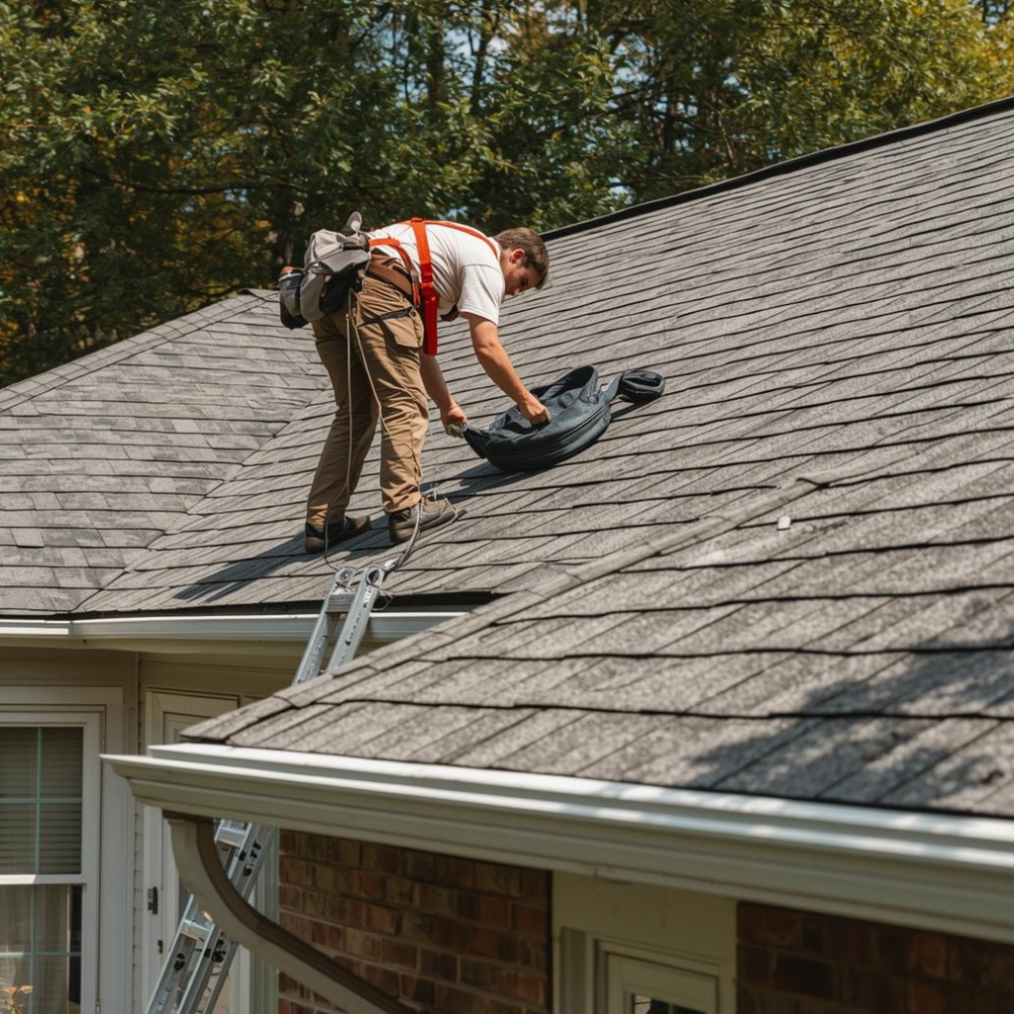
Start by safely observing your roof from the ground using binoculars, or use a sturdy ladder to get a closer look at the eaves. Look for shingles that are cracked, curled, or completely missing. High winter winds often loosen roofing materials, leaving the underlayment exposed to spring rain. If you spot significant damage, it is highly recommended to schedule professional Residential Roof Repair to address the vulnerable areas immediately.
Clean Out the Gutters
Winter storms frequently blow debris, twigs, and leaves into your gutters. Spring showers need a clear path to drain water away from your home’s foundation. Remove any blockages and run water through the downspouts with a hose to ensure there are no hidden clogs.
Check for Mold and Algae
Moisture buildup during the colder months creates a breeding ground for moss and algae. If left untreated, moss can actually lift the edges of your shingles, allowing water to seep underneath. You can gently brush away light moss growth, but avoid using a pressure washer, as the high-pressure spray can strip the protective granules right off your shingles.
Summer: Managing Heat and Sun Exposure
Summer brings intense ultraviolet rays and soaring temperatures. The persistent heat can degrade roofing materials faster than you might expect.
Check Attic Ventilation
A hot, stagnant attic essentially cooks your roof from the inside out. Proper ventilation allows hot air to escape and keeps the temperature of your roof deck regulated. Take a moment on a hot afternoon to check your attic. If it feels like an oven and smells musty, you likely need to install additional soffit or ridge vents.
Look for Sun Damage
Prolonged exposure to UV rays causes asphalt shingles to dry out, blister, and crack. Keep an eye out for small, bubble-like blisters on the surface of your roof. These weakened spots are prone to breaking open during summer thunderstorms, creating a direct path for water intrusion.
Trim Overhanging Trees
Summer storms often bring heavy rains and strong winds. Branches hanging over your roof can easily snap and puncture your shingles. Even if they do not break, the constant scraping of leaves and branches against the roof surface will slowly wear away the protective outer layer. Trim all surrounding branches back at least ten feet from the roofline.
Fall: Preparing for the Cold
Autumn maintenance is all about preparing your home for the freezing temperatures and heavy precipitation to come. Taking action now saves you from dealing with emergency repairs in the freezing cold.
Clear Autumn Leaves
Falling leaves are the biggest threat to your roof in the autumn months. Pine needles and leaves gather in the valleys of your roof and inside your gutters. This organic debris holds onto moisture, causing the underlying roofing materials to rot. Make a habit of clearing your gutters multiple times throughout the fall season.
Inspect Flashing and Seals
The metal flashing around your chimney, skylights, and vent pipes is your roof’s primary defense against leaks in these vulnerable transition areas. The sealant holding the flashing in place can dry out and crack over the summer. Carefully inspect these areas and apply a fresh layer of roofing cement where the old caulk is failing.
Schedule a Professional Inspection
Sometimes the best way to prepare for winter is to have an expert evaluate your property. If you live in an area known for heavy winter precipitation, bringing in an experienced Seattle WA Roofer can give you peace of mind. Professionals know how to spot subtle signs of wear that the untrained eye easily misses.
Winter: Preventing Snow and Ice Damage
Winter requires a more reactive approach to roof maintenance. Safety is your top priority during these months, as icy surfaces make climbing onto your roof incredibly dangerous.
Watch for Ice Dams
Ice dams form when heat escaping from your attic melts the snow on the higher parts of your roof. This melted snow runs down to the colder eaves and refreezes, creating a block of ice. As more water flows down, it backs up behind the ice dam and forces its way under your shingles. Proper insulation and ventilation are the best ways to prevent ice dams.
Safely Remove Heavy Snow
While most roofs are built to withstand a standard snow load, exceptionally heavy snowfall can put dangerous amounts of stress on the structural supports. Use a long-handled roof rake from the ground to gently pull snow off the lower edges of the roof. Never chip away at ice with a shovel, as you are almost guaranteed to damage the shingles underneath.
Monitor the Attic for Leaks
Make it a habit to check your attic periodically during the winter. Look for water stains on the wood, damp insulation, or actual dripping water. Catching a leak early in the attic prevents the water from reaching your living spaces and ruining your drywall and ceilings.
Keep Your Home Protected Year-Round
Staying on top of your seasonal roof maintenance is the smartest way to protect your home and your wallet. By following a steady routine of inspecting, cleaning, and repairing minor wear and tear, you ensure your roof remains strong through spring showers, summer heat, fall winds, and winter snow.
If you notice any concerning damage during your seasonal checks, do not hesitate to reach out for professional help. The team at Anderson Roofing is ready to assist you with comprehensive inspections and reliable repairs to keep your home safe all year long.